


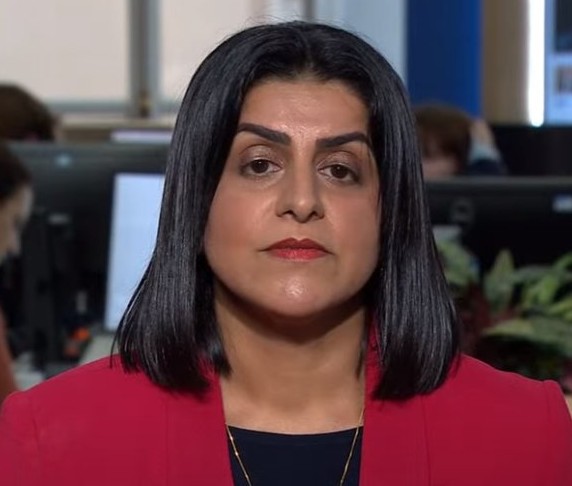
In a major escalation of industrial and political tension, migrant care workers and members of Unison, the UK’s largest trade union, have launched a mass leafleting campaign in the Birmingham Ladywood constituency, home to Home Secretary Shabana Mahmood.
This historic move marks the first time a major Labour-affiliated union has lobbied en masse against a flagship policy of the current administration, signalling a deep rift over the future of the UK’s social care workforce.
The dispute centres on the government’s “Earned Settlement” white paper, which aims to double the time migrant care workers must wait to apply for Indefinite Leave to Remain (ILR), increasing the qualifying period from five years to ten.
For a sector already facing over 110,000 vacancies, union leaders warn that these “cruel” reforms could trigger a total collapse of the social care system.
What is the “Earned Settlement” Policy and Why is it Controversial?
The protest is a direct response to the Home Office’s radical overhaul of the settlement system, which officially transitioned the UK to an “earned” residency model in April 2026.
Under the new rules, the baseline qualifying period for permanent residency has been extended to 10 years for most migrants.
Key Pillars of the Reform:
- Extended Wait Times: The standard route to settlement is now 10 years, up from five.
- The 15-Year Barrier: For roles classified below RQF Level 6 (which includes the vast majority of front-line care workers), the wait can extend to 15 years if the applicant has accessed public funds or experienced gaps in employment.
- Higher Salary Reductions: Only those earning over £50,270 can access a “fast track” to settlement, a threshold unreachable for most in the social care sector, where average pay remains significantly lower.
Unison argues that applying these changes retrospectively violates the “legitimate expectation” of workers who arrived between 2021 and 2024. These shifting requirements mirror broader shifts in UK detention policy, as both measures reflect a hardening of the UK’s approach to border and residency controls.
Where is the Campaign Taking Place?
The heart of the protest is Birmingham Ladywood, where union members intend to leaflet approximately one-third of the Home Secretary’s 55,000 constituents. However, the impact is being felt across the UK’s major metropolitan hubs:
- Birmingham: The primary site of the leafleting campaign, chosen to pressure the Home Secretary via her own voters.
- London: Coordinated lobbying is scheduled at the Houses of Parliament as part of a national day of action.
- The West Midlands & North West: Regions with the highest density of migrant care staff and the highest vacancy rates in residential homes.
What Do Official Sources Say About the Changes?
The standoff has produced starkly different narratives from the UK Government and union leadership.
The Home Office View
A Home Office spokesperson defended the policy as a necessity for “restoring control” over immigration: “The privilege of living here forever should be earned, not automatic.
Between 2021 and 2024, the UK experienced migration levels not seen since the 1980s. We must be honest about the scale and impact of hundreds of thousands of low-skilled migrants obtaining settlement.”
Unison’s Position
Andrea Egan, General Secretary of Unison, warned of the human and systemic cost: “Social care is already under immense strain.
The sector’s been reliant on overseas staff willing to do this essential work, but the Home Secretary is closing the door on them. If the government’s serious about fixing social care, it must match its ambitions with fair treatment.”
Legal and Analytical Perspective
Parliamentary reports from March 2026 suggest that the 10-year route may significantly increase child poverty among migrant families, as care workers, who are often low-paid, remain ineligible for most state support for twice as long as previously expected.
How Does This Affect the UK Public and Social Care?
The policy change carries significant risks for the wider UK public and the NHS:
- Staffing Exodus: Experts fear that increasing the settlement wait to 10 years makes the UK a less attractive destination compared to other nations, potentially leading to an exodus of experienced staff.
- Increased Vacancies: With the Health and Care Worker visa already subject to stricter caps and the “Visa Brake” introduced in March 2026, the sector is struggling to fill approximately 111,000 roles.
- Pressure on Hospitals: A lack of care home capacity leads to “bed blocking,” where elderly patients cannot be discharged from hospitals because there is no care available for them in the community.
Sector Statistics (April 2026)
| Metric | Statistic |
| Migrant Workforce | 33% of all UK adult social care workers |
| NHS Migrant Workforce | 20% of all NHS staff |
| Consultation Responses | 200,000 (Feb 2026 closure) |
| ILR Waiting Period | Increased from 5 to 10–15 years |
The “Fair Visas Now” Campaign: What Happens Next?
The mass leafleting in Birmingham is a precursor to a National Day of Action scheduled for Friday. Thousands of care workers are expected to:
- Lobby MPs: Specifically targeting Labour MPs in constituencies with high care-sector employment.
- Call for Sponsorship Reform: Unison is demanding that employer-tied sponsorship be replaced by a public-sector-managed scheme to prevent workplace exploitation.
- Legal Challenges: Human rights groups are currently reviewing the retrospective application of the 10-year rule, citing potential breaches of the European Convention on Human Rights (ECHR).
The government is currently reviewing the 200,000 responses to the “Earned Settlement” consultation and is expected to outline a final implementation timeline by July 2026.