


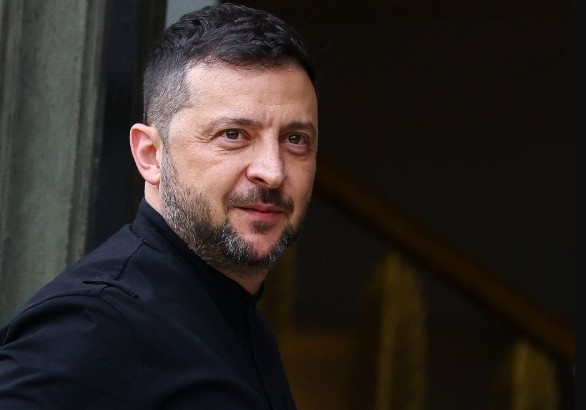
Ukrainian President Volodymyr Zelensky has said a potential russian ukraine peace agreement is close to completion, but warned that the remaining gaps are the most dangerous and decisive part of the process.
In a New Year’s Eve address released on 31 December, Zelensky said negotiations were “90 per cent ready”, while stressing that the unresolved final 10 per cent would determine not only Ukraine’s survival, but the long-term security of Europe.
His message struck a careful balance between optimism and caution: peace is possible, but far from guaranteed.
What did Zelensky actually say about the peace deal?
Speaking in his televised New Year address shared via Telegram, Zelensky framed the talks as being in their final phase, but warned against complacency.
President Volodymyr Zelensky: “The peace agreement is 90 per cent ready. Ten per cent remains. And that is far more than just numbers.”
He underlined that this remaining portion would shape the fate of peace, the fate of Ukraine, and the fate of Europe, signalling that the hardest decisions have been left until last.
Zelensky also reiterated that Ukraine wants the war to end as soon as possible, but not through a settlement that leaves the country vulnerable to another invasion.
Why is the final 10% proving so difficult?
At the heart of the deadlock is a combination of land, security and trust, issues that cannot be solved with quick compromises.
Russia continues to demand control over eastern Ukraine, particularly the Donbas region. Ukraine argues that surrendering territory would not bring lasting peace, but would instead legitimise invasion and set a dangerous precedent across Europe.
Zelensky openly rejected Russian claims that a simple withdrawal from Donbas would end the war.
“‘Pull out from the Donbas, and it will all be over.’ That is how deception sounds when translated from Russian, into Ukrainian, into English, into German, into French, and, in fact, into any language in the world.”
For Kyiv, the unresolved issues go beyond borders. Ukraine is demanding firm, enforceable security guarantees from international partners to ensure Russia cannot regroup and attack again once fighting stops.
Why have Ukraine-Russia peace talks stalled for so long?
Despite repeated diplomatic efforts by Ukraine’s allies, negotiations have struggled to move forward over the past year.
US President Donald Trump had claimed before his 20 January inauguration that he could end the conflict “in one day”. Yet more than 345 days later, no final agreement has been reached.
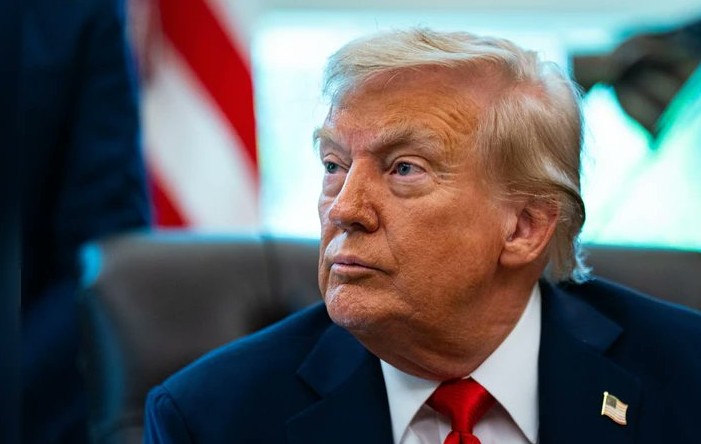
Western governments, led by the United States and backed by European allies including the UK, have attempted to mediate.
However, talks have consistently broken down over territory, ceasefire terms, and the lack of trust built up after years of conflict.
What does Russia want, and why is Ukraine resisting?
Russian President Vladimir Putin has repeatedly insisted that any peace deal must reflect what Moscow calls “realities on the ground, meaning continued Russian control of occupied Ukrainian territory.
Ukraine views this as unacceptable. Zelensky argues that giving in would not end the war, but merely pause it, allowing Russia time to rebuild its military before launching another offensive.
This fear is rooted in experience. Previous agreements, Ukraine says, failed to prevent renewed fighting because they lacked credible enforcement and international guarantees.
Why does this matter to the UK and Europe?
The outcome of the russian ukraine peace talks has direct consequences for Britain and the wider continent.
For the UK, the conflict affects defence spending, energy prices, and NATO’s credibility. Britain has been one of Ukraine’s strongest supporters, supplying military equipment, training Ukrainian forces, and backing Kyiv diplomatically.
European leaders fear that a weak or rushed settlement could embolden future aggression, not only in Ukraine but elsewhere along NATO’s eastern flank.