

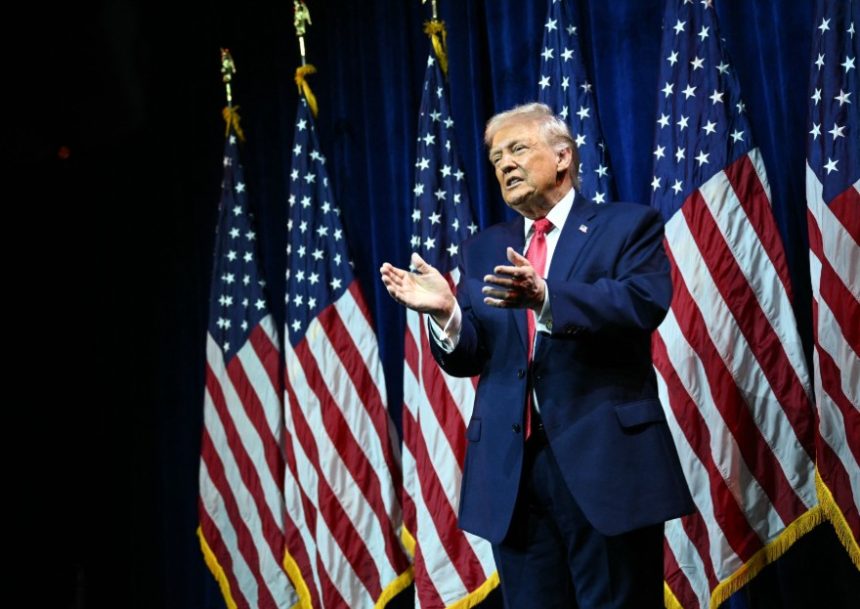
Donald Trump has claimed he cancelled a “previously expected second wave of attacks” linked to a Venezuela attack, following the reported release of political prisoners by Venezuelan authorities.
The comments, posted on Trump’s Truth Social account, have triggered global concern and confusion, not least because key elements of the claim remain unverified and strongly disputed. Here is what we know so far, what is unclear, and why it matters for the UK.
What exactly did Trump say about the Venezuela attack?
In a Truth Social post, Donald Trump said the US and Venezuela were now “working well together”, particularly on oil and gas infrastructure, and that this cooperation meant further military action would not be needed.
Donald Trump, Truth Social: “Because of this cooperation, I have cancelled the previously expected second Wave of Attacks… however, all ships will stay in place for safety and security purposes.”
JUST POSTED
President Donald Trump says he’s “canceled the previously expected second wave of attacks” against Venezuela since they’re cooperating with him. pic.twitter.com/g0nSp3DhDe
— Breanna Morello (@BreannaMorello) January 9, 2026
Trump did not provide operational details, dates, or confirmation from US defence officials. No independent verification has been issued by the Pentagon, NATO, or the US State Department at the time of writing.
Did the US really launch an attack on Venezuela?
This is where claims and confirmed facts diverge.
- No official US or international body has confirmed a US military incursion into Venezuela
- Venezuelan state media has not independently verified claims of foreign forces capturing President Nicolás Maduro
- Western governments, including the UK Foreign Office, have made no formal statements confirming military action
As a result, journalists and analysts are treating Trump’s comments as political claims rather than confirmed events.
Why are political prisoners being released now?
Overnight, Venezuelan authorities announced the release of detainees described as political prisoners, calling it a “gesture of goodwill”.
Spain’s Foreign Ministry confirmed that five Spanish-linked detainees were freed, including human rights lawyer Rocío San Miguel, who had previously been accused by authorities of plotting against the government.
Jorge Rodríguez, President of Venezuela’s National Assembly: “These releases are made in the interest of national unity and peaceful coexistence.”
Human rights groups say releases have been a long-standing international demand, particularly following the disputed 2024 Venezuelan election.
How many political prisoners are believed to be held in Venezuela?
Estimates vary, but rights organisations paint a grim picture:
| Estimate | Source | Timeframe |
|---|---|---|
| Up to 1,000 detainees | Venezuelan human rights NGOs | Post-2024 election |
| Around 80 held | El Helicoide prison | Ongoing |
| 5 confirmed releases | Spanish Foreign Ministry | This week |
Groups such as Provea warn that selective releases do not address systemic abuse across Venezuela’s prison system.
What is El Helicoide, and why is it so controversial?
El Helicoide, located in Caracas, is one of Venezuela’s most notorious detention centres.
Human rights investigators have documented allegations of:
- Electric shocks
- Severe beatings
- Prolonged solitary confinement
Trump claimed the prison would be closed, though no official confirmation has been issued by Venezuelan authorities.
Provea warning: “Closing one prison must not distract from abuses continuing in other detention centres across the country.”
How has Venezuela’s opposition responded?
Opposition leader and Nobel Peace Prize winner María Corina Machado welcomed the prisoner releases but stopped short of endorsing Trump’s wider claims.
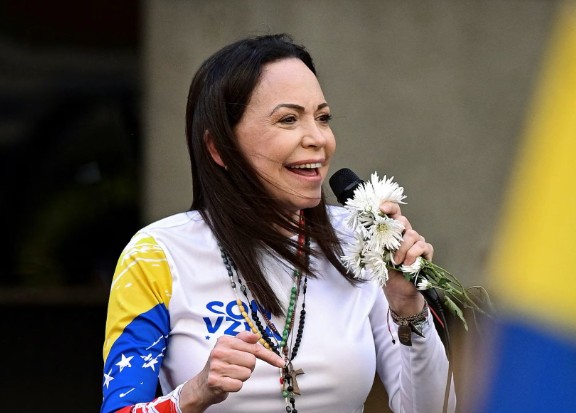
Audio message on social media: “This is an important day because it shows that injustice does not last forever.”
Why does this matter to the UK?
- The UK imports limited oil from Venezuela, but global oil prices could be affected by instability
- British nationals are advised not to travel to Venezuela under the current FCDO guidance
- Any escalation involving US forces risks broader geopolitical tension, impacting energy markets and security alliances involving the UK
The lack of verified information also highlights how modern conflicts can be shaped by political messaging rather than confirmed facts.