


Britain’s UK foreign aid budget is being spent without clear long-term priorities and has often failed to deliver strong value for money, according to a major new review by the Independent Commission for Aid Impact.
The watchdog found that billions of pounds intended to tackle poverty overseas have increasingly been used to support refugees and asylum seekers inside the UK. In 2024 alone, these domestic costs reached £2.8 billion, roughly 20% of the entire UK aid budget.
The report examined how the UK distributed official development assistance (ODA) between 2021 and 2025 and concluded that ministers and departments often focused on meeting spending targets rather than delivering clear international development outcomes.
For UK taxpayers and policymakers, the findings raise serious questions about how the shrinking UK foreign aid budget is being managed, and whether it still achieves its intended global impact.
What Did the Watchdog Say About the UK Foreign Aid Budget?
The review from the Independent Commission for Aid Impact concluded that the government lacks an “overarching strategy or set of priorities” guiding how aid funds are allocated.
According to the watchdog, spending decisions frequently revolved around ensuring the UK met a specific percentage-of-income aid target, rather than focusing on measurable development results.
Key findings include:
- The aid system has prioritised hitting spending levels rather than strategic outcomes.
- Domestic refugee and asylum support has consumed a growing share of aid funds.
- Decision-making across departments has lacked coordination and transparency.
- Sudden changes in asylum arrivals can force unexpected cuts to overseas programmes.
Harold Freeman, an ICAI commissioner who led the review, said reforms were underway but warned they must deliver genuine improvements.
“The government has taken important first steps in reforming how it manages the aid target… but reform must deliver real change and improved value for money.”
Why Is Aid Money Being Spent Inside the UK?
International rules allow some domestic refugee costs to be counted as aid. Under guidelines set by the Organisation for Economic Co-operation and Development, countries can classify refugee support costs during their first year in a host country as official development assistance.
However, the report suggests the UK has taken a broader interpretation of these rules than many comparable countries.
One example highlighted by the watchdog involves the Home Office using aid funds to pay for asylum accommodation.
ICAI estimates that:
- Nearly £50 million of aid money was paid for unused asylum hotel rooms in December 2023 alone.
- Over a full year, that could equal roughly £600 million in spending on empty accommodation.
Critics argue that such costs divert funds away from humanitarian programmes abroad.
How has the UK Foreign Aid Budget changed in Recent Years?
The UK’s aid spending has fallen significantly over the past few years.
In 2021, the government cut the legally established target of 0.7% of national income spent on aid to 0.5%, citing financial pressure after the COVID-19 pandemic.
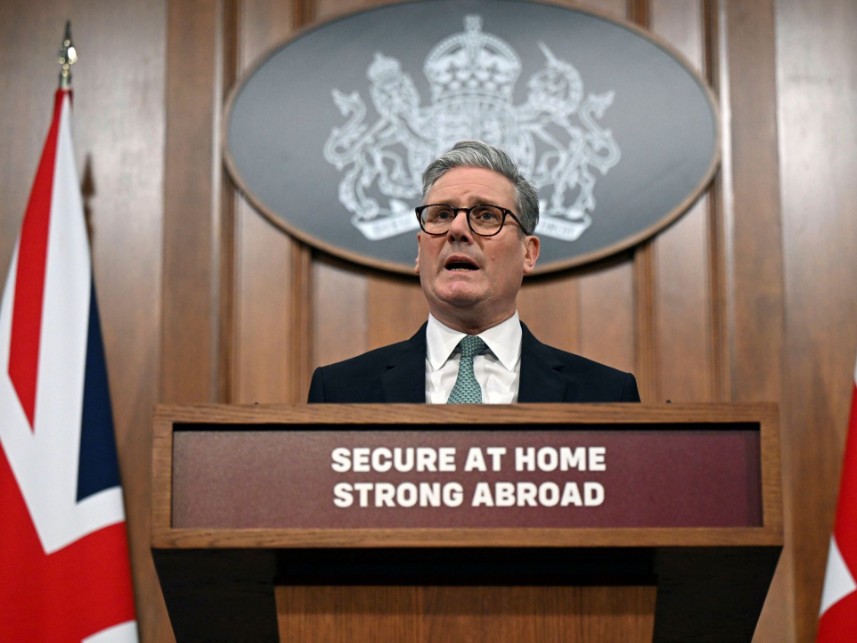
More recently, Prime Minister Keir Starmer announced plans to reduce aid spending further to 0.3% by 2027 as part of increased defence funding commitments.
UK Aid Spending Targets
| Year | Aid Target | Context |
|---|---|---|
| Pre-2021 | 0.7% of national income | Long-standing UK commitment |
| 2021 | 0.5% | Reduction after COVID-19 spending pressures |
| Planned 2027 | 0.3% | Proposed shift to fund defence priorities |
With the overall budget shrinking, watchdogs warn that every pound must be spent more carefully.
Why Critics Say the Current System Is Problematic
Several aid organisations say the report exposes deeper structural problems.
Adrian Lovett, UK executive director of the anti-poverty group ONE Campaign, warned that funds intended for humanitarian crises are being diverted domestically.
“At a time when the UK aid budget has already been slashed to the bone, every pound should be spent with a relentless focus on impact for the world’s most disadvantaged people.”
Aid campaigners also argue that domestic asylum costs should be funded separately from overseas development spending.
Gideon Rabinowitz, policy director at Bond, said there are concerns the funds may not return to international programmes even if asylum costs fall.
“Every penny must count towards reducing poverty and supporting marginalised communities worldwide.”
How This Could Affect the UK and Global Aid Efforts
The debate over the UK foreign aid budget could have wider implications for Britain’s role on the global stage.
Potential impacts include:
1. Reduced influence in global development policy
The UK has traditionally been a major donor to humanitarian programmes and global health initiatives.
2. Pressure on international aid programmes
Cuts may affect funding for disaster relief, food security and education in developing countries.
3. Domestic political debate
Aid spending remains controversial in UK politics, especially when linked to asylum accommodation costs.
4. Greater scrutiny of government departments
The report calls for clearer oversight to ensure aid spending achieves measurable results.
What the Watchdog Recommends?
The Independent Commission for Aid Impact made several recommendations to improve the system.
These include:
- Introducing multi-year funding commitments to make aid spending more predictable.
- Separating refugee costs from the core overseas aid budget.
- Improving transparency around how departments allocate aid funds.
- Strengthening oversight to ensure better value for money.
The watchdog says these reforms are essential as ministers face increasingly difficult spending choices.