


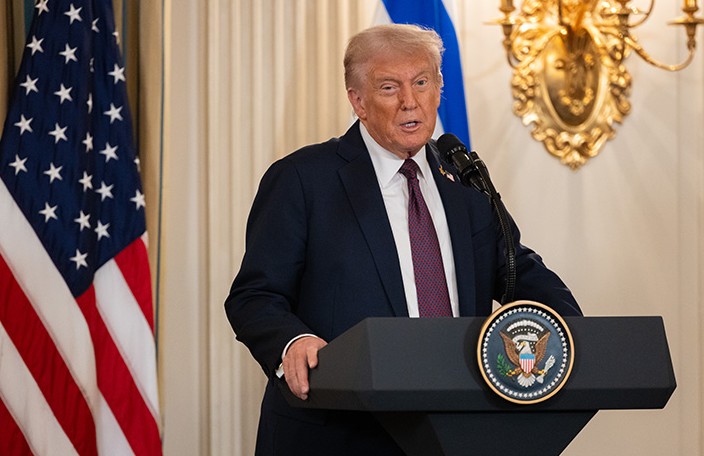
US President Donald Trump has announced a plan to cap credit cards interest rates at 10% for one year, a move aimed at easing the cost of borrowing for consumers.
While this announcement has grabbed headlines in the US, it has also sparked interest internationally, including in the UK, where credit card users are closely watching global financial trends.
The proposal highlights the growing debate over high-interest credit, affordability, and consumer protection, even though it is not yet law and would require congressional approval to take effect.
What Has President Trump Announced on Credit Cards Interest Rate?
On 9–10 January 2026, U.S. President Donald Trump announced that he wants to cap credit cards interest rates at 10% for one year, starting 20 January 2026, the first anniversary of his administration’s second term.
He posted the plan on his Truth Social account, saying consumers were being “ripped off” by rates between 20% and 30% or higher.
“Effective January 20, 2026, I, as President of the United States, am calling for a one‑year cap on Credit Cards Interest Rates of 10%.” Donald Trump
THE THING ABOUT THE 10% INTEREST RATES ON CREDIT CARDS GOES LIKE THIS :
Each year, more credit card users are struggling to pay their balances. Delinquencies are rising, and banks are increasingly unable to collect what they are owed. That is the context behind Donald Trump’s… pic.twitter.com/QgmRVpa80a
— Euric Santi ♂️ (@EuricSanti) January 10, 2026
However, this is a proposal, not a law. Trump cannot enforce it by executive order alone; it would require approval by the U.S. Congress and likely face legal challenges from lenders.
Why Does This Matter?
In the United States, credit card rates have climbed sharply due to recent interest rate hikes. Many cards now carry APRs (annual percentage rates) above 20%, far higher than typical UK credit cards.
| Region | Typical Credit Card APR | Notes |
|---|---|---|
| USA | ~20–30% | Rates have risen with Fed rate hikes. |
| UK | Usually ≤20% | FCA regulates representative APR disclosure. |
In the UK, credit card APRs vary but tend to be regulated to include all fees and charges (called Representative APR).
Can the US President Actually Enforce a Cap?
No, not by executive power alone. A cap on interest rates would require legislation passed by the US Congress. Without that, the idea remains a high‑profile political proposal.
In fact, bills aiming to cap rates at 10% have been introduced in Congress but have not yet passed.
What Are the Pros and Cons (From Economic Experts)?
Supporters say:
- It could reduce debt costs for millions of consumers carrying balances.
- It responds to public frustration over high credit costs.
Critics warn:
- Credit card companies may tighten lending criteria or cancel cards for higher‑risk borrowers, reducing access to credit altogether.
- Similar price controls historically can tighten credit markets and lead to unintended consequences.
How Are Politicians and Banks Reacting?
Reactions in the US are mixed:
- Some members of Congress support pursuing rate caps and see bipartisan potential.
- Banking industry groups warn that strict caps could limit credit access, particularly for people with poorer credit histories.
Trump’s statement has also drawn criticism from opponents who argue the proposal is symbolic unless backed by actual laws.
Trump says he will temporarily cap credit card interest rates from r/stocks
What does this mean for the UK Public?
- UK consumers won’t see effects unless similar policies are adopted by UK regulators like the Financial Conduct Authority (FCA).
- Understanding how APR caps work is useful if you carry a credit card balance or plan to borrow.
- This US development could influence global financial policy discussions on fair credit access and affordability.