


The British economy has hit a cooling period as the Office for National Statistics (ONS) confirms the UK unemployment rate remained frozen at 5.2% in the three months to January 2026.
This data release comes at a sensitive time for the Labour government, which has staked its reputation on high-octane economic growth.
While a stable rate might suggest resilience, the finer details of the report reveal a worrying trend: wage growth has plummeted to 3.8%, down significantly from the highs of late 2025.
With inflation-adjusted “real” pay rising by a marginal 0.5%, the UK’s workforce is witnessing the slowest growth in purchasing power in nearly two years.
As Chancellor Rachel Reeves prepares to tackle these headwinds, the Bank of England must now decide if this cooling is enough to warrant an interest rate cut.
Why has the UK Unemployment Rate Hit a 5.2% Plateau?
The 5.2% figure represents a significant shift from the record lows seen in the post-pandemic recovery. The plateau suggests that the “hiring freeze” currently gripping the City of London and the broader service sector is beginning to solidify.
According to the ONS, the number of people in payrolled employment fell slightly in the last month, driven by a contraction in the hospitality and construction sectors.
High borrowing costs throughout 2025 have finally filtered through to business balance sheets, leading many firms to pause expansion plans.
Is the Wage Growth Slump a “Green Light” for the Bank of England?
The sharp drop in regular pay growth to 3.8% is the headline-grabber for economists. Previously, the Monetary Policy Committee (MPC) expressed concerns that wage increases above 4.5% were “inflationary.”
With growth now below the 4% threshold, the pressure on the Bank of England to lower the Base Rate (currently at 3.75%) has intensified.
Analysts suggest that the cooling labour market is “doing the Bank’s work for it,” reducing the risk of a wage-price spiral. However, with “real” pay only up by 0.5%, the average UK worker is unlikely to feel the benefit of this cooling until mortgage rates follow suit.
Which UK Regions and Cities are Most Affected by the Jobs Standstill?
The national average of 5.2% masks a fractured regional picture.
- The West Midlands & North East: These regions continue to see the highest claimant counts. In cities like Birmingham and Sunderland, the decline in manufacturing vacancies has pushed local unemployment rates closer to 6.2%.
- London & The South East: While professional services remain steady, the capital is seeing a surge in “economic inactivity” among those aged 50+, as many opt for early retirement or leave the workforce due to long-term illness.
- Scotland and Wales: Both have seen a slight uptick in temporary employment as the public sector struggles with budget constraints, leading to fewer permanent roles in the NHS and local government.
How is the Government Responding?
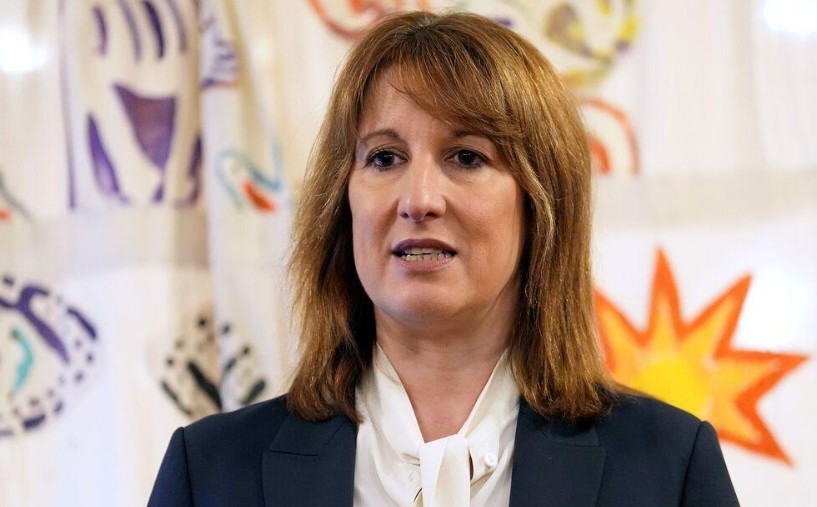
Chancellor Rachel Reeves has been quick to pivot the narrative toward Labour’s long-term “Growth Mission.” Speaking today, she emphasized that the government’s primary focus is now on the “forgotten generation” of young workers.
“The 5.2% unemployment rate is a reminder of the stagnation we inherited. We are moving immediately to launch our Youth Jobs Guarantee, ensuring that every 16-to-24-year-old is in work, an apprenticeship, or training. We cannot afford to let economic inactivity become the new normal.”
The Department for Work and Pensions (DWP) is also expected to announce new measures to reform Work Capability Assessments, aiming to bring some of the 2.8 million people currently “economically inactive” due to long-term sickness back into the fold.
What is the “Youth Jobs Guarantee” and can it fix the 2026 Labour Market?
The Chancellor’s pledge to tackle youth unemployment is the cornerstone of the new strategy. Data shows that while the national rate is 5.2%, youth unemployment is currently hovering near 16%.
The proposed scheme includes:
- Targeted Grants: Small businesses in the UK will receive up to £3,000 for every long-term unemployed youth they hire.
- Skills Reform: A total overhaul of the Apprenticeship Levy into a more flexible “Growth and Skills Levy” to allow businesses to fund shorter, more intensive training courses.
How Will Slowing Wage Growth Affect the Cost-of-Living Crisis?
For the average household in Manchester, Bristol, or Leeds, the ONS figures are bittersweet. While inflation (CPI) has stabilized, the fact that wages are only outstripping price rises by 0.5% means the “feel-good factor” is missing.
Supermarket prices remain high, and for the millions of UK residents coming off fixed-rate mortgages in 2026, the 3.8% wage growth is simply not enough to cover the jump in monthly repayments.
This “income squeeze” is expected to dampen consumer spending throughout the spring, potentially leading to further retail closures on the UK high street.
What Should We Expect from the Next ONS Report?
Looking forward to the second quarter of 2026, several factors will determine if unemployment breaks past the 5.5% mark:
- The Bank of England’s Decision: A rate cut today could stimulate business investment and hiring. A “hold” could see unemployment drift higher.
- Spring Budget Impact: Any further changes to National Insurance or business taxes will directly influence hiring intentions for the 2026/27 tax year.
- The Energy Price Cap: With global tensions affecting oil and gas, any spike in energy costs for businesses could lead to further redundancies in the energy-intensive manufacturing sector.