

Ukrainian forces have made major battlefield gains in eastern Ukraine over the past five days, reclaiming more than 200 square kilometres of territory from Russian troops just as high-level peace talks are due to begin in Geneva today.
The rapid advance comes at a politically sensitive moment, with Ukraine and Russia preparing to discuss land control and ceasefire conditions in negotiations mediated by the United States.
The situation could shift the tone of the talks and strengthen Kyiv’s position at the negotiating table.
Ukraine’s leadership has also warned that Russia may attempt a fresh wave of strikes on energy infrastructure, raising fears of further disruption for civilians during winter conditions.
What has happened in the Ukraine Russia war in the last five days?
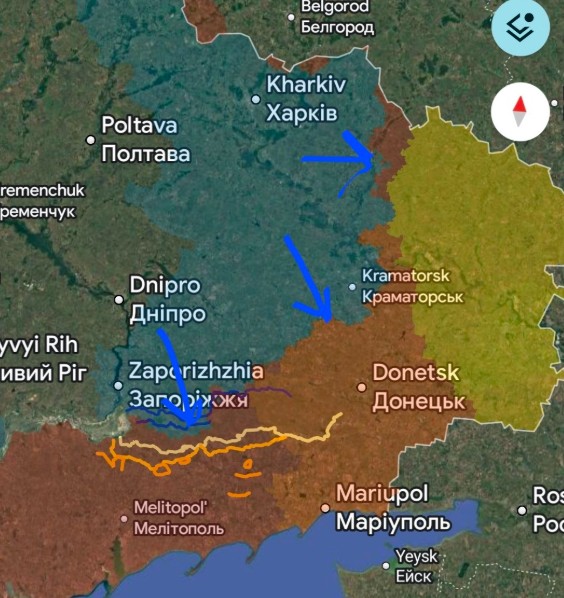
Ukraine’s armed forces have reportedly reclaimed around 201 square kilometres of territory between Wednesday and Sunday, reversing weeks of Russian progress in the east.
⚡️🇺🇦 Ukraine achieved its biggest battlefield gains in 2.5 years last week, — AFP
AFP analyzed data from ISW and concluded that from Wednesday to Sunday last week, the Ukrainian military managed to recapture 201 km² of territory – this area is practically equivalent to the… pic.twitter.com/SNbbFFyejM
— MAKS 25 🇺🇦👀 (@Maks_NAFO_FELLA) February 16, 2026
The gains are being described as the most significant land recovery in a short time since Ukraine’s counteroffensive in June 2023.
The reclaimed territory is largely concentrated near areas east of Zaporizhzhia, a region that has remained one of the most heavily contested zones since the war escalated.
Military analysts say the rapid turnaround is notable because Russian forces had recently been applying sustained pressure across this front.
Why are Ukrainian forces advancing so quickly now?
Military observers believe Ukraine’s progress may be linked to disruptions in Russian battlefield communication systems, including reports that some Russian units have lost access to satellite-based internet services used for secure coordination.
This has reportedly created delays in command operations, reduced response time to Ukrainian assaults, and weakened Russian control over defensive positions.
Ukraine has long relied on speed, intelligence and targeted strikes to break Russian lines, especially when Moscow struggles to maintain coordination between frontline troops and senior command.
If communication problems continue, Ukraine may be able to expand its gains before Russia regroups.
What do the Geneva peace talks mean for the war?
The Geneva peace talks are expected to focus heavily on land control, which remains the biggest barrier to any peace agreement.
Russia is reportedly demanding that Ukraine surrender the remaining territory of the Donetsk region that is still under Ukrainian control. Kyiv has repeatedly rejected the idea of handing over territory as part of any settlement.
Negotiators are expected to also discuss:
- Possible ceasefire structures
- Demilitarised zones
- Prisoner exchanges
- Future security guarantees for Ukraine
Even if no final agreement emerges, the talks may shape the next phase of the conflict by defining what both sides consider “non-negotiable”.
Who is attending the Geneva peace talks?
Both Russia and Ukraine have sent senior delegations to Switzerland.
Ukraine’s delegation is expected to be led by Rustem Umerov, a key national defence and security official, while Russia’s team is reportedly led by senior Kremlin-linked negotiator Vladimir Medinsky.
Russia has also included senior figures from its intelligence and diplomatic apparatus.
The United States is expected to play a central role as mediator, although the specific names of its delegates remain unclear. The meeting marks one of the highest-profile diplomatic efforts in months.
Why is Donetsk still the biggest argument in the Ukraine Russia war?
The Donetsk region remains one of the most strategically valuable parts of eastern Ukraine.
For Russia, controlling Donetsk would strengthen its claims over the wider Donbas region and offer a symbolic “victory” narrative for domestic audiences.
For Ukraine, surrendering Donetsk would mean:
- Losing territory permanently
- Rewarding military aggression
- Weakening national sovereignty
- Setting a precedent for future invasions
That is why Kyiv continues to insist that land cannot be used as a bargaining chip. Even if Ukraine agreed to a ceasefire, the question of who controls Donetsk could delay any final peace agreement.
Is Russia planning new attacks before negotiations?
Ukrainian President Volodymyr Zelensky has warned that intelligence suggests Russia may be preparing further attacks on Ukraine’s energy system.
Energy infrastructure has remained a key target throughout the conflict, with repeated strikes on power stations and heating systems causing blackouts and major hardship for civilians.
Zelensky has urged Ukraine’s allies to strengthen air defence support, warning that Russia may attempt to use winter conditions as leverage by disrupting electricity and heating supplies.
If Russia launches a large strike campaign during talks, it could weaken diplomatic trust and make negotiations more difficult.
Could Ukraine’s battlefield gains influence the peace deal?
Yes, Ukraine’s recent advances could significantly impact the Geneva discussions.
Battlefield progress often shapes diplomacy because it changes what each side believes it can achieve through continued fighting.
If Ukraine continues reclaiming territory:
- Kyiv may feel less pressure to compromise
- Russia may increase demands to “freeze” the conflict
- Negotiators may struggle to agree on a ceasefire line
Ukraine has also increased pressure on Russian logistics routes, with drone strikes on a Black Sea port reported ahead of the Geneva negotiations.
On the other hand, Russia may intensify attacks to regain momentum and avoid appearing weakened during negotiations.
In many past conflicts, sudden battlefield shifts have led to either serious breakthroughs or complete breakdowns in peace efforts.
How does this affect the UK and the British public?
The UK remains one of Ukraine’s strongest supporters, providing military assistance, training, and political backing since the full-scale invasion began in 2022.
For the UK public, the war continues to matter because it affects:
- European security and NATO stability
- Defence spending priorities
- Energy markets and fuel costs
- Inflation pressures linked to global supply disruptions
Any major change in the war’s direction could influence the UK’s defence planning and international strategy.
British officials have repeatedly stressed that Ukraine must be involved in any peace settlement and that any agreement must protect Ukraine’s sovereignty.