


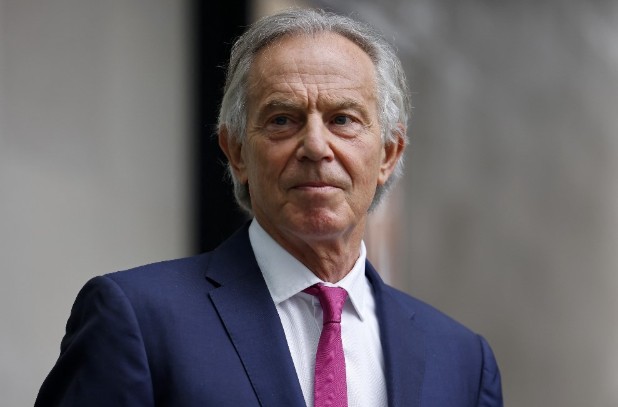
Sir Tony Blair has urged the Government to expand North Sea drilling immediately to shield the UK from energy price shocks caused by the war in Iran.
His think tank argues that backing the Jackdaw and Rosebank oil fields is now essential for long-term national economic resilience, as the conflict has exposed a structural vulnerability in the British energy market that requires an urgent, domestic-led strategic reset.
Why is Tony Blair calling for more North Sea drilling now?
The former Prime Minister isn’t just looking at the climate; he’s looking at the books. The Tony Blair Institute (TBI) argues that the recent conflict in Iran has acted as a brutal “stress test” for the British economy.
With global oil prices soaring after US involvement, the TBI believes the UK is far too exposed to international volatility.
The reality is that while renewables are the long-term goal, the TBI thinks we are currently in a “structural vulnerability” trap.
By backing major projects like Rosebank and Jackdaw, Blair suggests the UK can create a domestic buffer. This isn’t just about fuel; it’s about stopping the next massive jump in your monthly bills.
Will the Government back the Rosebank and Jackdaw fields?
This is where things get sticky in Westminster. The Cabinet looks a bit split. While Energy Secretary Ed Miliband has traditionally been cool on new fossil fuel projects, Chancellor Rachel Reeves has signalled she would be “very happy” to support exploration at these specific sites.
Tony Blair’s own think tank has savaged Ed Miliband, urging Labour to back major new North Sea oil and gas fields like Jackdaw and Rosebank.
The Tony Blair Institute says the Government has been “too ideological” and warns the Iran war has exposed how dangerously dependent… pic.twitter.com/BQecx6QFUi
— Grifty (@TheGriftReport) April 10, 2026
The pressure isn’t just coming from Blair, either. Donald Trump has been vocal with his “drill, baby, drill” mantra, putting Sir Keir Starmer in a tight spot between climate commitments and diplomatic pressure.
For now, the official line remains a cautious “wait and see,” but the TBI report makes a quiet U-turn feel more like a pragmatic necessity.
How does the UK’s energy security compare to global rivals?
According to the TBI, we are falling behind. They argue that our current strategy is “out of step” with competitors who are securing their own backyards as they transition.
| Metric | UK Data / Status | Source |
| Current Oil Price Impact | 20% spike following the Iran conflict | TBI Analysis |
| North Sea Investment | Sharp decline since 2023 | British Chambers of Commerce |
| Rosebank Potential | Approx. 300 million barrels | Equinor / Gov.uk |
| Energy Import Reliance | 37% of total supply (2024) | ONS / DESNZ |
Why This Matters?
We found that the conversation around the North Sea has shifted overnight from “green vs. brown” to “security vs. chaos.”
Our analysis suggests that the Government is increasingly finding it difficult to justify a ban on new licences as petrol pumps react to missile launches in the Middle East.
But here’s the kicker: even if Starmer gives the green light today, these fields won’t lower prices tomorrow.
They are long-term plays. Anyway, for most people sitting at their kitchen tables today, the “Blair Intervention” is a sign that the dream of a purely green transition is hitting a very expensive, very oily reality.
We expect a formal “reset” of the energy strategy before the next autumn budget.