


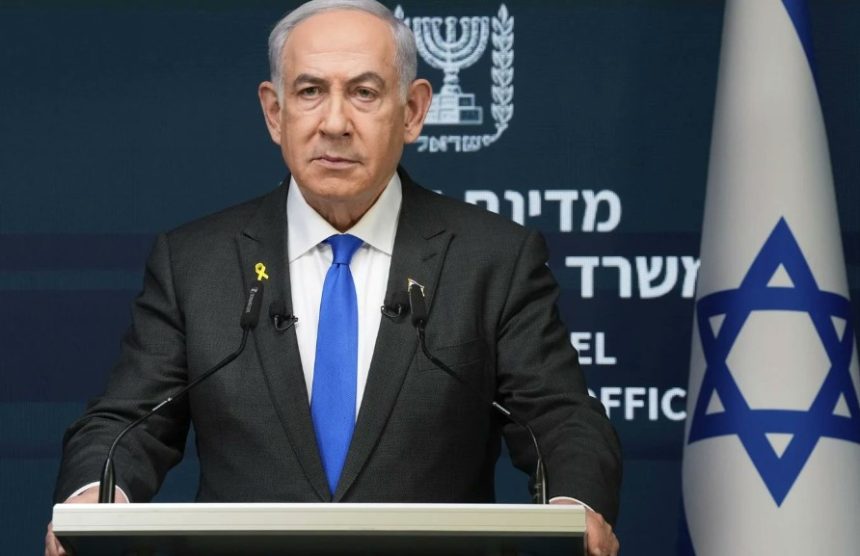
Israeli Prime Minister Benjamin Netanyahu is expected to push US President Donald Trump to take a tougher stance on Iran’s ballistic missile programme during a White House meeting on Wednesday.
The talks, taking place in Washington DC, come as the United States continues indirect discussions with Iran over its nuclear activity.
Netanyahu’s office has said Iran’s missile arsenal will be a key focus of the meeting, alongside wider regional concerns, including the ongoing war in Gaza and Iran’s influence across the Middle East.
The meeting matters because it could shape future US policy towards Iran and may increase pressure for stronger military and diplomatic action in the region.
Why is Benjamin Netanyahu raising Iran’s ballistic missiles now?
Benjamin Netanyahu has repeatedly argued that Iran’s missile programme poses a major threat to Israel and regional stability.
While nuclear negotiations remain the main focus of current diplomacy, Israeli officials believe missiles represent an immediate and practical danger, especially because they can be launched quickly and reach long distances.
Netanyahu is expected to argue that any agreement with Tehran should not only limit uranium enrichment but also restrict missile development and stockpiling.
Iran has strongly resisted this idea and has signalled it will not accept broader talks beyond nuclear issues.
What has Iran said about expanding talks beyond nuclear issues?
Iran has so far rejected calls to widen negotiations to include its ballistic missile programme.
Iranian officials insist that missile capability forms part of their national defence strategy and should not fall under international bargaining.
This refusal increases tension between the two sides, especially as the United States looks for stronger guarantees that Iran will not threaten its allies or expand its military influence.
What is Donald Trump considering ahead of the meeting?
President Donald Trump has suggested he is weighing stronger military positioning in the Middle East, including the possibility of sending additional US naval forces to increase pressure on Tehran.
Trump has also publicly stated that Iran appears interested in reaching a deal, but he has warned that Washington expects firm conditions.
Netanyahu is expected to use this meeting to encourage Trump to take a more aggressive negotiating posture and avoid any agreement that does not address missile threats.
Will this White House meeting change US policy on Iran?
It remains unclear whether Trump will shift his strategy. The US administration has previously balanced military pressure with diplomacy, aiming to stop Iran’s nuclear progress without triggering a wider regional conflict.
However, Netanyahu’s visit could push Washington to harden its demands, especially if Israel presents intelligence or military assessments suggesting Iran’s missile programme has expanded further.
🚨 JUST IN: Israeli PM Benjamin Netanyahu has arrived in Washington, DC for his meeting at the White House with President Trump
Netanyahu is in a large Secret Service motorcade, and security is INCREDIBLY tight, with I-695W being totally shut down, and two helicopters overhead.… pic.twitter.com/j5I4PGaj6e
— Nick Sortor (@nicksortor) February 10, 2026
Any major change in US policy could quickly affect European and UK diplomatic strategy.
What did Netanyahu say before travelling to Washington?
Before leaving for the US, Netanyahu said his talks would focus “first and foremost” on Iran. He also indicated discussions would include Gaza and other Middle East security concerns.
His office stated he intends to highlight Iran’s missile arsenal during discussions with Trump.
Why does this matter to the UK?
Although the meeting is between the US and Israel, its outcome could have major consequences for the UK.
The UK remains closely tied to US foreign policy decisions and continues to play a role in international diplomacy involving Iran.
If the US adopts a more aggressive position, Britain may face pressure to support tougher sanctions, adjust security planning, or prepare for potential regional instability.
Rising Middle East tension could also affect oil prices, which would likely increase fuel and energy costs for UK households.