
British households are bracing for a renewed UK cost of living crisis, as the escalating conflict in the Middle East severely dampens confidence in the national economy and personal finances.
According to the latest quarterly survey from PwC, consumer sentiment in the UK has dipped over the last three months at the fastest rate since June 2022, a period when inflation was first surging following the invasion of Ukraine.
The PwC Consumer Sentiment Index, which tracks how well-off Britons feel and their future spending intentions, recorded a sharp fall to -13 in April 2026, down from -1 in January. This reversal ends a year-long trend of gradual recovery, returning the UK to levels of economic anxiety not seen since the autumn of 2023.
With inflation rising to 3.3% and the Bank of England warning of “unavoidable” price hikes, the UK public is once again tightening its belt in anticipation of a difficult winter ahead.
Why has Consumer Confidence Crashed so Suddenly?
The primary driver of this sudden downturn is the geopolitical instability in the Middle East, specifically the impact of the Iran-Israel conflict on global commodity markets. This has triggered a “second wave” of the cost-of-living crisis, just as many UK families felt they were finally turning a corner.
According to the PwC report, which surveyed over 2,000 UK adults:
- Household Finances: Sentiment regarding personal finances saw its biggest quarterly drop since 2022.
- The “Under 35” Squeeze: Younger generations have been hardest hit. There was a 20% fall in those under 35 who feel “financially healthy,” while the number of young people struggling to pay bills rose by 9%.
- Spending Cutbacks: Approximately 80% of UK consumers plan to reduce non-essential spending over the next three months.
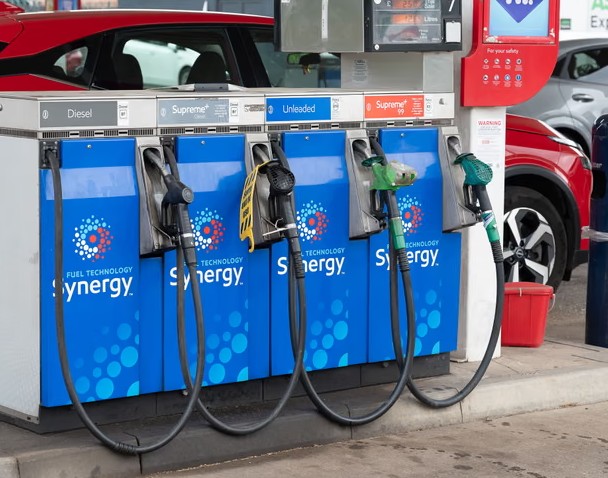
- Fuel Costs: The number of people intending to drive less to save on fuel has doubled from 12% to 24% since the start of the year.
Which UK Regions are Most Affected by Rising Costs?
While the crisis is national, the impact is being felt acutely in specific UK sectors and regions. High streets in London, Manchester, and Birmingham are bracing for a reduction in footfall as hospitality and retail spending is reeled in.
In rural areas of the South West and Scotland, where car dependency is higher, the doubling of people trying to save on fuel is having a disproportionate effect on mobility and local commerce.
Meanwhile, major transport hubs like Heathrow and Gatwick are monitoring a potential “jet fuel crisis,” which could make international travel prohibitively expensive for many families, potentially forcing a shift toward “staycations” in domestic coastal towns such as Blackpool or Brighton.
What are the Official Forecasts from the Bank of England and ONS?
Leading UK institutions have issued stark warnings regarding the economic trajectory for the remainder of 2026.
- The Bank of England: In its latest Monetary Policy Report, the Bank held interest rates at 3.75% but warned that inflation is likely to remain between 3% and 3.5% for the second and third quarters of 2026. Governor Andrew Bailey stated that higher inflation is now “unavoidable” due to energy price volatility.
- Office for National Statistics (ONS): Confirmed that the Consumer Prices Index (CPI) rose to 3.3% in March 2026, up from 3.0% in February. The ONS highlighted that motor fuel and food prices were the largest upward contributors.
- PwC UK: Sam Waller, Leader of Industry for Consumer Markets, noted: “Sentiment will likely get worse before it gets better, as consumers face higher energy and food costs later in the year.”
How is the Jobs Market Reacting to Market Uncertainty?
The UK cost-of-living crisis is manifesting in three critical areas for the British public:
1. The Grocery Squeeze
New analysis suggests that UK food prices are on track to be significantly higher by November 2026. Staples like eggs, beef, and pasta continue to see above-average inflation.
2. Job Security and Recruitment
For the first time in three years, job vacancies have declined for 30 consecutive months. Employers are increasingly turning to flexible, temporary work rather than permanent contracts. According to KPMG and REC, temporary billings saw their strongest rise in 30 months as businesses hedge against economic volatility.
3. The “Lipstick Effect.”
Despite the gloom, the “lipstick effect” is emerging, where consumers forgo big-ticket items (like new cars) but continue to spend on “small luxuries.” This provides a slim silver lining for the UK’s beauty and niche retail sectors.
Rising Redundancies and the Shift to Temp Work
A separate report from KPMG and the Recruitment and Employment Confederation (REC) highlighted a faster fall in permanent staff appointments across the UK in April. This shift is directly linked to “heightened market uncertainty amid the war in Iran and rising business costs.”
Businesses in the Midlands and the North of England are reportedly pulling back on permanent headcount, while the supply of candidates is increasing, often due to redundancies.
This creates a more competitive environment for job seekers, with many being forced into the temporary “gig” economy to make ends meet.
What Should Households Expect for Winter 2026?
The immediate future of the UK economy depends heavily on two factors: the duration of the Middle East conflict and the Bank of England’s next move on interest rates.
- Energy Price Cap: Analysts at Cornwall Insight expect the Ofgem energy price cap to rise in July, which will significantly increase household bills just as the colder months approach in the autumn.
- Interest Rate Hikes: While the Bank Rate currently sits at 3.75%, markets are pricing in potential increases to 4% or higher by the end of the year if “second-round effects” take hold.
- The “Staycation” Boom: The jet fuel crisis may help domestic hotels if there is a staycation boom because of flights being cancelled or becoming too expensive.
For those struggling with the UK cost of living crisis, please visit the official UK Government (GOV.UK) “Help for Households” page or contact Citizens Advice for support with debt and energy bills.
FAQ: Understanding the UK Cost of Living Crisis
Why is the cost of living rising again in 2026?
The primary driver is the conflict in the Middle East, which has caused a spike in global oil and gas prices. This increases the cost of transporting goods and manufacturing, leading to higher prices for fuel, energy, and food in the UK.
What is the current UK inflation rate?
As of March 2026, the UK’s Consumer Prices Index (CPI) inflation rate is 3.3%, which is above the Bank of England’s target of 2%.
How are young people in the UK affected?
Under-35s have seen the sharpest decline in financial health. High rent, rising student loan interest, and a cooling permanent job market have made this demographic particularly vulnerable.
Will energy bills go up in 2026?
Yes, forecasts suggest that higher wholesale energy costs resulting from global instability will lead to an increase in the Ofgem energy price cap later this year.