
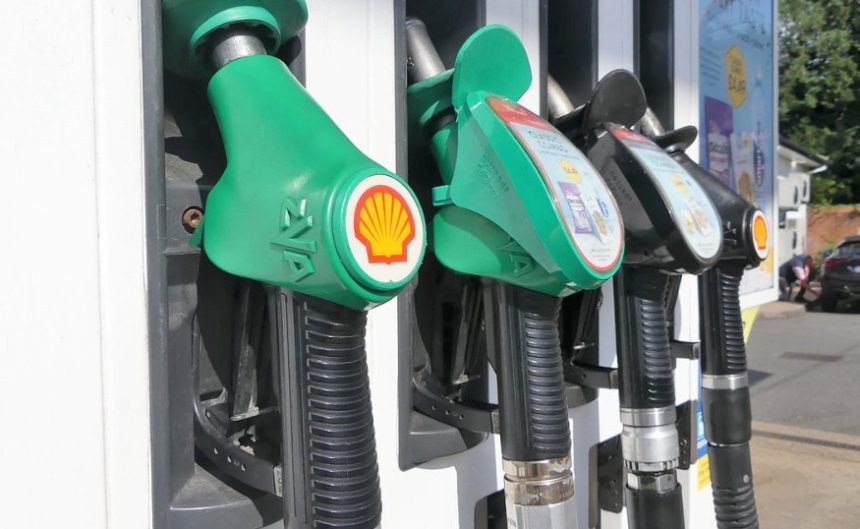
British motorists have been hit with a “hammer blow” at the forecourts as the latest official data reveals one of the sharpest weekly increases in fuel costs in recent history.
As the geopolitical situation in the Middle East deteriorates, the Department for Energy Security and Net Zero (DESNZ) has confirmed that the cost of keeping the UK moving is rising at an alarming rate.
With diesel jumping by over 8p in a single week and petrol following a similar upward trajectory, the UK government has been forced into emergency discussions.
This report breaks down the data, the global triggers, and the legislative firewalls being built by the Treasury to protect consumers from “pump profiteering.”
How High Have Prices Actually Gone?
The latest figures from Whitehall paint a stark picture for the UK’s 33 million motorists. As of March 23, 2026, the average price for a litre of unleaded petrol stands at 144.16p, up significantly from 140.28p just seven days prior.
However, it is diesel drivers, particularly those in the haulage and delivery sectors, who are feeling the sharpest sting. Diesel has surged to 166.88p per litre, a massive 8.1p increase from the previous week’s average of 158.78p.
The Weekly Price Surge at a Glance:
| Fuel Type | Price on 16 March | Price on 23 March | Total Increase |
| Unleaded Petrol | 140.28p | 144.16p | +3.88p |
| Diesel | 158.78p | 166.88p | +8.10p |
Why is the Conflict in the Middle East Driving UK Pump Prices?
The primary engine behind this inflation is the escalating US-Israeli war with Iran. While the conflict is geographically distant, its impact on the UK’s energy security is immediate due to the geography of global oil transit.
Tehran’s decision to blockade the Strait of Hormuz has effectively throttled one of the world’s most vital maritime arteries. Approximately 20% of the world’s total oil consumption passes through this narrow waterway.
With tankers unable to navigate the route safely, the global supply of crude oil has tightened, sending Brent Crude prices spiralling toward the $110-a-barrel mark.
Where is the Impact Being Felt Most Across Britain?
While the price rise is a national trend, the “forecourt lottery” remains a reality for UK drivers.
- Logistics Corridors: Major transport hubs in the Midlands (the “Golden Triangle”) and the M62 corridor in the North of England are seeing the highest diesel spikes as demand from heavy goods vehicles (HGVs) remains inelastic.
- Rural Connectivity: In regions such as Cornwall, Cumbria, and the Scottish Highlands, where public transport alternatives are scarce, the 8p rise in diesel is being described by local councils as a “tax on rural life.”
- Urban Squeeze: In London and Manchester, while mileage may be lower, the increased cost of delivery for supermarkets and small businesses is already being passed on to consumers via higher grocery prices.
Is There a National Fuel Shortage?
Despite the rising costs, the UK government is moving quickly to prevent panic buying. Energy Minister Michael Shanks took to the airwaves this morning to provide a “business as usual” message to the public.
Speaking to Shanks stated: “They should do everything as absolutely normal because there is no shortage of fuel anywhere in the country at the moment. We monitor this every single day… there’s no issue at all with that.”
His comments were a direct rebuttal to the International Energy Agency (IEA), which recently advised global citizens to work from home, share rides, and reduce motorway speeds to conserve fuel stocks.
The UK government’s current stance is that supply remains stable, even if the price of that supply is volatile.
What is the “Cobra” Plan to Tackle High Prices?
Chancellor Rachel Reeves convened an emergency Cobra meeting on Monday afternoon to discuss the economic fallout of the price spike.
The government is particularly concerned about “rocket and feather” pricing, where retailers hike prices like a rocket when wholesale costs rise but drop them like a feather when costs fall.
Key Government Actions:
- New Regulatory Powers: Sir Keir Starmer has indicated that the government will grant the Competition and Markets Authority (CMA) “further teeth” to intervene if they find evidence of profiteering.
- Indemnities for Energy Projects: Ms. Reeves is expected to announce government-backed indemnities for major energy projects, such as Sizewell C and offshore wind farms, to accelerate the UK’s transition away from fossil fuel dependency.
- Transparency Requirements: New rules may force fuel retailers to share real-time pricing data to allow for better comparison apps, helping drivers find the cheapest local fuel.
How Does This Affect the UK Economy?
The fuel price rise is already showing up in broader economic indicators. The S&P Global flash UK composite Purchasing Managers’ Index (PMI) fell to 51.0 in March, down from 53.7 in February.
While a reading above 50 still indicates growth, the sharp drop suggests that the “Iran shock” is cooling business confidence.
Manufacturing and service firms have reported that shipping delays and input costs are rising at the fastest rate in eighteen months. For the average household, a 50-litre tank of diesel now costs approximately £4.05 more than it did just seven days ago.
What Should Drivers Expect in the Coming Weeks?
As we approach the Easter bank holiday, market analysts suggest that the “pain at the pump” may not be over.
- The $120 Oil Threat: If the blockade of the Strait of Hormuz continues, analysts warn Brent Crude could hit $120, which would likely push UK petrol prices past 155p.
- Budgetary Pressure: There are growing calls from the backbenches for the Chancellor to consider a temporary fuel duty cut, though the Treasury has remained tight-lipped on further fiscal interventions.
- The Shift to EV: Industry experts predict this latest crisis will lead to a renewed surge in interest in Electric Vehicles (EVs) as consumers look to decouple their personal finances from Middle Eastern geopolitics.