The UK energy market has plunged into a state of “extreme volatility” this morning as wholesale natural gas prices surged by nearly a quarter.
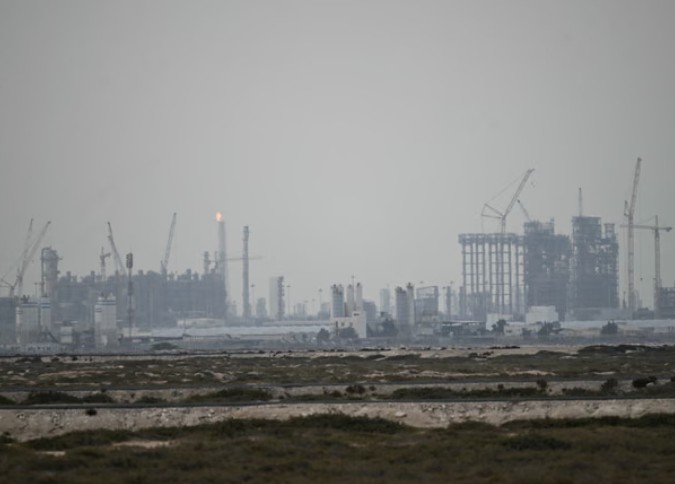
The spike follows a dramatic escalation in the Middle East, where Iranian missile strikes targeted the Ras Laffan liquefied natural gas (LNG) hub in Qatar, a facility responsible for nearly 20% of global supply.
With European gas reserves already depleted following a brutal 2025/26 winter, the sudden disruption to this vital energy artery has sent UK natural gas futures to their highest levels since the height of the 2022 energy crisis.
For the British public, the timing is perilous as the government faces mounting pressure to decouple the economy from volatile global fossil fuel markets.
What Caused the 174p Surge in UK Gas Prices?
On Thursday morning, the UK “front-month” natural gas price, the benchmark for future supply, gapped up from Wednesday’s close of 140p to an intraday high of 174p per therm, a surge of approximately 25%.
The catalyst was a confirmed military strike by Iran against Qatar’s Ras Laffan Industrial City. QatarEnergy, the state-backed provider, reported “sizeable fires and extensive further damage” to its LNG processing trains.
QatarEnergy Statement on Missile Attacks on Ras Laffan Industrial City
QatarEnergy confirms that Ras Laffan Industrial City this evening has been the subject of missile attacks.
Emergency response teams were deployed immediately to contain the resulting fires, as extensive…
— QatarEnergy (@qatarenergy) March 18, 2026
This attack is widely viewed as a direct retaliation for an earlier Israeli strike on Iran’s South Pars gas field, the world’s largest.
As trading opened at 8:00 AM GMT, markets factored in a “supply shock” scenario. Although prices moderated slightly to 169p by mid-morning, the underlying threat to the Strait of Hormuz, through which nearly a fifth of global oil and gas flows, remains the primary driver of the spike.
Where is the Impact Being Felt Most in the UK?
While the physical destruction is centered in the Persian Gulf, the economic ripples are hitting specific UK infrastructure and regions:
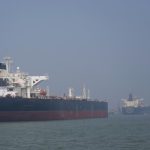
- Milford Haven & Isle of Grain: The UK’s primary LNG import terminals are bracing for “blank sailings” (cancelled arrivals) as Qatari vessels remain stationary or divert routes to avoid the conflict zone.
- The North Sea: Domestic gas platforms are under pressure to ramp up output. However, since the UK is a “price taker” on the international stage, North Sea gas is being sold at these inflated global rates, offering little relief to local consumers.
- Industrial Heartlands: Manufacturers in the West Midlands and North East are reporting immediate concerns. Energy-intensive sectors like steel and glass production are particularly vulnerable to these “overnight” price gaps.
What are the Official Responses from Whitehall?
The UK government has been quick to frame this as a defining moment for national security. Chris Bryant, Minister of State for Trade, characterized the situation as a “really big moment for the UK economy.”
“The biggest message is that we cannot remain so dependent on these volatile global prices. We need to transition the UK economy to renewables. In ten years, people will say the Labour government got it right by pushing for energy independence,” Bryant stated.
Chancellor Rachel Reeves is reportedly in emergency talks with Ofgem and the Treasury regarding the fuel duty cap.
While the current energy price cap protects households until June, analysts warn that if wholesale prices remain at 170p+, the July price cap could see a “significant and painful” upward revision.
How Will This Conflict Affect Your Household Bills?
The most pressing question for the UK public is the “cost of living” secondary wave. Despite the UK’s move toward renewables, which provided 42% of the energy mix last year, gas still generates a third of our power.
- The ‘Gas-Peg’ Problem: A report from the Common Wealth thinktank suggests that UK bills are artificially high because the price of electricity is still “pegged” to the price of gas. They have urged the government to remove this price-setting function, which could save households up to £200 a year.
- Inflationary Spike: With Brent Crude oil also jumping 7% to $114 a barrel, transport costs will rise. This usually translates to higher supermarket prices within weeks.
- Heating Oil Crisis: For the 1.5 million UK homes not on the gas grid (primarily in rural areas), the impact is immediate. The government has already announced £50 million in targeted support for heating oil users, but this may prove insufficient if the conflict persists.
Will Global Escalation Continue?
Political stability remains the greatest variable. US President Donald Trump has issued a characteristic warning, stating that while he did not authorize the initial Israeli strike, he would “massively blow up” the entirety of Iran’s energy infrastructure if Qatar’s facilities are hit again.
This “maximum pressure” rhetoric has spooked commodity traders, who fear a total shutdown of the Persian Gulf.
If the South Pars field is completely neutralized, analysts at Cornwall Insight suggest gas prices could theoretically breach the 200p per therm mark, a level previously thought unthinkable for 2026.
What Happens Next for UK Energy Policy?
In the coming days, we expect several key developments:
- Emergency Energy Security Session: Parliament is likely to debate the acceleration of GB Energy, the state-owned firm tasked with building domestic renewable capacity.
- Storage Refill Strategy: The UK will look to Norway and the US (via Atlantic routes) to secure shipments to refill depleted winter reserves.
- Fiscal Intervention: Pressure is mounting on Rachel Reeves to scrap the planned September fuel duty increase to provide a “buffer” for motorists.