

The Iran war Qatar crisis has escalated after Qatar’s prime minister confirmed that the Gulf nation has faced repeated missile and drone attacks in recent days.
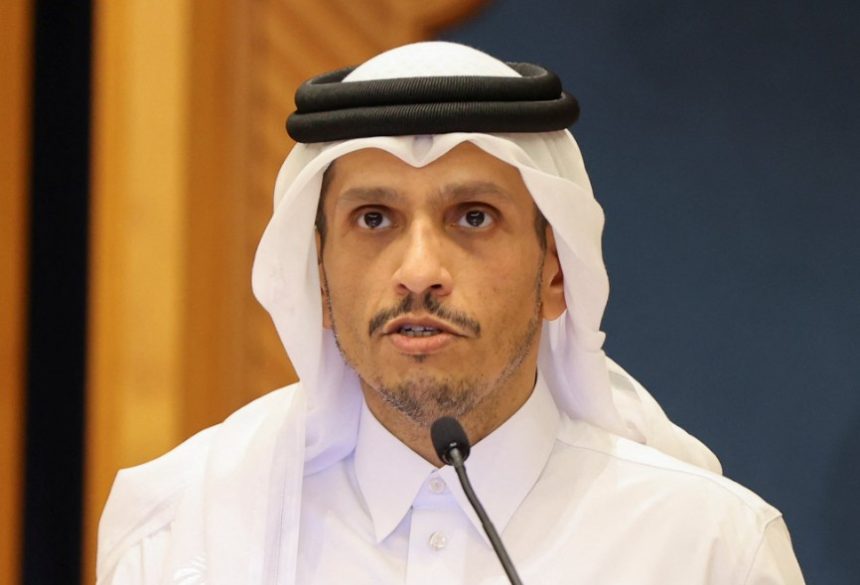
Speaking in an exclusive interview released at 9:00 a.m. ET, Sheikh Mohammed bin Abdulrahman al Thani said the strikes represent a “dangerous miscalculation” and warned they risk destabilising the wider Middle East and harming the global economy.
The Qatari leader said the country is experiencing “a very difficult period”, adding that continued escalation could damage regional stability and vital infrastructure.
He urged all parties, including Iran and regional actors, to step back and return to diplomatic negotiations to prevent the conflict from widening.
His comments come amid growing international concern that rising tensions in the Gulf could threaten energy supplies, aviation routes and economic stability across the region.
What did Qatar’s prime minister say about the Iran war Qatar crisis?
In the interview, Sheikh Mohammed confirmed that Qatar has been subjected to repeated missile and drone strikes.
While the precise locations and damage assessments remain under investigation, he praised the professionalism of Qatar’s defence and security forces for responding to the threats.
“The attacks must stop. This is a very difficult period, and escalation will only deepen the crisis,” the prime minister said.
He described the attacks as a “dangerous miscalculation” that has already undermined regional stability and increased risks for the global economy.
The prime minister also suggested the strikes were particularly concerning given Qatar’s long-standing diplomatic channels with Iran, which historically allowed dialogue even during periods of regional tension.
Were civilian targets involved in the reported strikes?
A key point of dispute in the Iran war Qatar developments concerns the intended targets of the missile and drone strikes.
According to Sheikh Mohammed’s statements, the attacks may have placed several forms of civilian infrastructure at risk, including:
- International airports
- Water utility systems
- Gas and energy infrastructure
However, officials have stressed that independent verification of specific strike locations is still pending. As of the latest update, there is no confirmed evidence publicly verifying deliberate attacks on civilian infrastructure.
Security analysts say such claims require detailed assessments of impact sites, damage reports and satellite imagery before conclusions can be reached.
If confirmed, attacks on these systems could have serious consequences for civilian safety, energy markets and international transport networks.
Why is Qatar pushing for immediate de-escalation?
Sheikh Mohammed repeatedly emphasised that military escalation would worsen the crisis and reduce the chances of diplomatic resolution.
Qatar has therefore called for a renewed focus on negotiations and diplomatic engagement. The prime minister said the responsibility to reduce tensions lies with all sides involved in the conflict.
He also urged the United States to help lower tensions through diplomatic pressure and mediation.
According to the interview, several developments would signal genuine progress towards de-escalation:
- A verified halt to missile and drone attacks affecting Qatar and other Gulf states
- The formal reopening of negotiations involving Tehran and regional interlocutors
- An official announcement of a scheduled diplomatic meeting
Until one of these developments occurs, the situation remains uncertain and potentially volatile.
What risks does the Iran war Qatar situation pose to the global economy?
The Gulf region plays a critical role in global energy markets, and Qatar is among the world’s largest exporters of liquefied natural gas (LNG).
Escalation could therefore have consequences beyond the Middle East. Analysts warn of several potential impacts:
- Energy market volatility, particularly affecting natural gas prices
- Disruption to LNG exports and shipping routes
- Higher insurance costs for vessels travelling through Gulf waters
- Possible airspace restrictions affecting international aviation
For the UK and other European countries, instability in the Gulf could influence energy prices and supply security, particularly during periods of high demand.
What developments could clarify the conflict next?
As of now, no confirmed diplomatic meeting or negotiation timetable has been announced by the governments involved.
The next major developments that could shift the situation include:
- A public and verifiable pause in attacks
- Formal diplomatic talks announced by Iran or Gulf states
- A mediated negotiation framework involving international partners
If negotiations begin and attacks cease, Qatar’s leadership believes regional de-escalation could follow.
However, if strikes continue, Sheikh Mohammed warned the conflict could further destabilise the Gulf and threaten critical infrastructure and economic activity.