



Ukraine has claimed a successful strike on a major Russian oil refinery using British-supplied Storm Shadow missiles, in one of the most significant long-range attacks of the Ukraine-Russia war to date.
The reported strike, deep inside Russian territory, highlights how Western-backed weaponry is increasingly shaping Kyiv’s strategy as the conflict grinds on into its third year.
What exactly did Ukraine strike inside Russia?
Ukraine’s armed forces said they targeted the Novoshakhtinsk oil refinery in Russia’s Rostov region on Thursday.
The facility is located near the Ukrainian border and is considered a crucial supplier of fuel products for Russian military operations in southern Ukraine.
In a statement posted on Telegram, Ukraine’s General Staff said: “Multiple explosions were recorded. The target was hit.”
Ukrainian officials described the refinery as one of southern Russia’s key producers of diesel and petrol, adding that it was “directly involved” in supplying Moscow’s armed forces.
Russian authorities did not deny the explosions, although they did not confirm the extent of the damage.
Why is the use of Storm Shadow missiles so significant?
The strike is politically and militarily sensitive because it involved Storm Shadow cruise missiles supplied by the UK.
London formally gave Ukraine permission in 2024 to use the missiles against military targets inside Russia, following months of pressure from Kyiv and debate among Western allies.
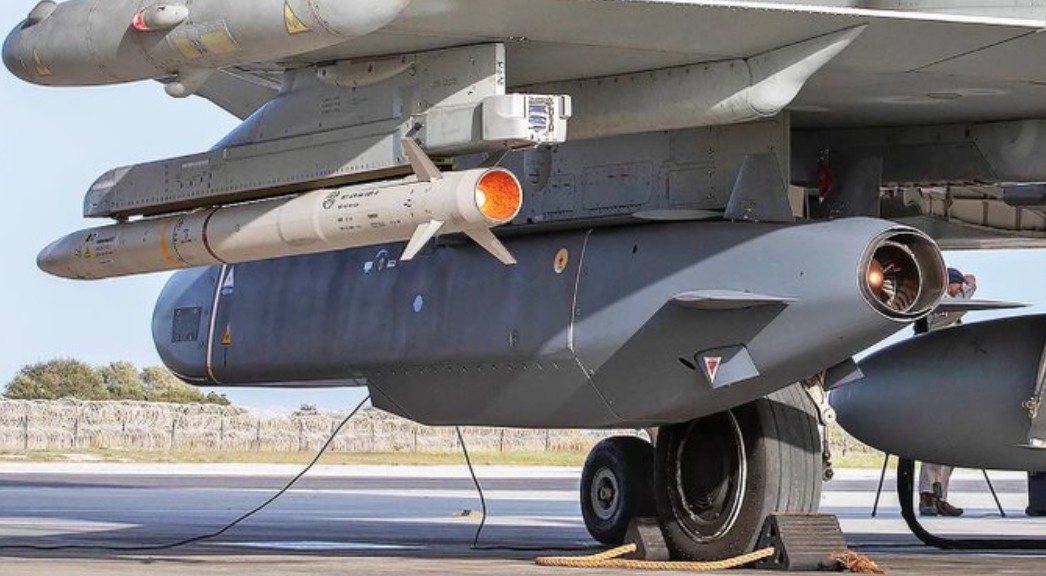
The decision marked a shift in Britain’s approach, allowing Ukraine to strike beyond occupied territory.
Storm Shadow missiles have a range of around 250 kilometres and are designed to penetrate hardened targets such as fuel depots, bunkers and command centres.
Their use against Russian energy infrastructure suggests Kyiv is focusing on weakening Moscow’s ability to sustain the war rather than merely defending the front lines.
Were other Russian energy sites also attacked?
Alongside the missile strike, Ukrainian long-range drones reportedly hit several energy-related facilities across Russia.
Russian officials said oil storage tanks caught fire at the southern port of Temryuk in the Krasnodar region, with flames spreading across approximately 2,000 square metres.
A separate attack was reported at a gas processing plant in Orenburg, roughly 1,400 kilometres from Ukraine, underlining the growing reach of Kyiv’s drone campaign.
These attacks form part of a broader Ukrainian effort to curb Russia’s oil revenues, which continue to play a central role in financing the war despite Western sanctions.
How does this shape the wider Ukraine-Russia war?
In recent months, both sides have increasingly targeted energy infrastructure, viewing it as a strategic pressure point.
Ukraine argues that hitting refineries and fuel depots disrupts Russian military logistics and reduces the funds available to sustain combat operations.
Russia, meanwhile, has intensified strikes on Ukrainian power stations, leaving millions facing outages during winter.
Military analysts say this tit-for-tat targeting reflects a shift towards a prolonged war of attrition, with neither side able to secure a decisive breakthrough on the battlefield.
Is there any real movement towards peace?
Despite the escalation, diplomatic signals have emerged over the Christmas period.
Ukrainian President Volodymyr Zelensky said he held a “really good conversation” on Christmas Day with US special envoy Steve Witkoff, hinting at fresh ideas on how to move closer to peace.
His comments followed the unveiling of an updated 20-point Ukrainian peace proposal, although Moscow has yet to respond publicly.
Russia has also claimed there is “slow but steady progress” in talks with the United States, while accusing Western European countries of undermining negotiations.
What role are global leaders playing?
In a rare and pointed intervention, Pope Leo XIV used his Christmas sermon to address the Ukraine-Russia war directly.
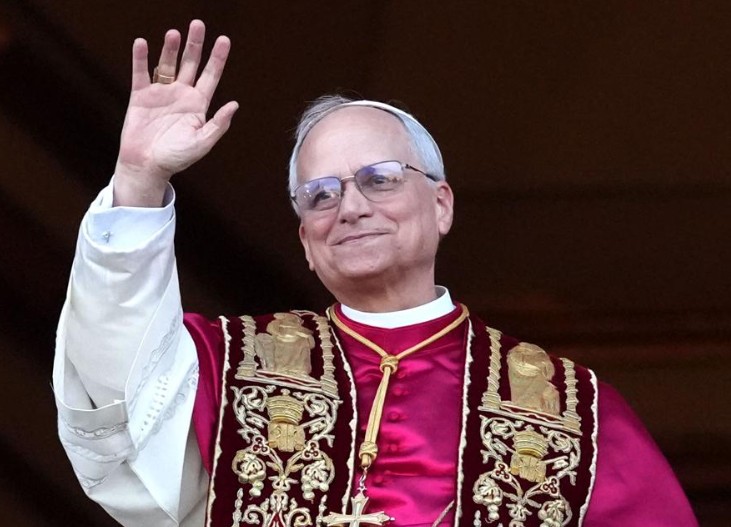
Speaking from the Vatican, he said Ukrainians were being “tormented” by violence and urged all parties to engage in what he called “sincere, direct and respectful dialogue”.
His remarks echoed wider international concerns that the conflict risks becoming further entrenched as military aid and long-range strikes expand.
What is happening inside Russia beyond the battlefield?
Away from the fighting, Russia continues to face scrutiny over its internal crackdown on dissent.
This week, a Russian court sentenced opposition figure Sergei Udaltsov, a critic of President Vladimir Putin, to six years in prison on charges of justifying terrorism.
Separately, the Kremlin confirmed it has made an unspecified “offer” to France regarding the jailed French academic Laurent Vinatier, who was arrested in 2024 amid rising tensions between Moscow and Paris.
Human rights groups say arrests, espionage cases and prosecutions have increased sharply since Russia launched its full-scale invasion of Ukraine in February 2022.