


Britons have been urged to rethink festive sea swims this Christmas after a weather warning led to the cancellation of several long-running events across the South West.
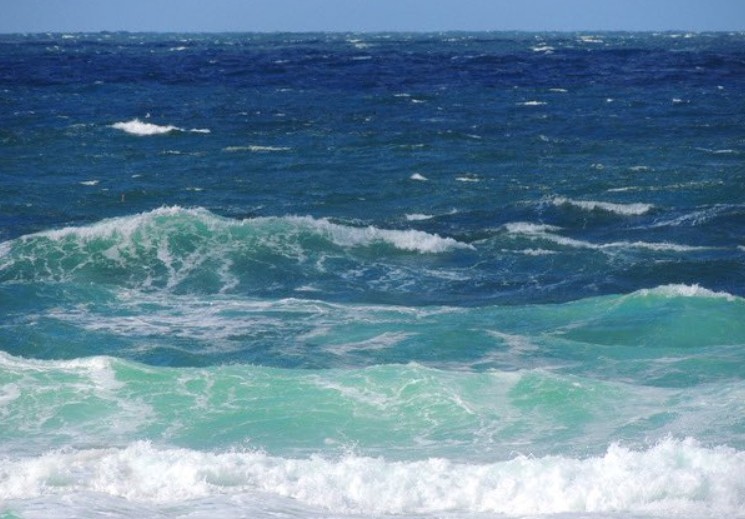
Authorities say strong winds, rough seas and cold water shock risks mean the popular Christmas and Boxing Day tradition could prove dangerous, even for experienced swimmers.
What is the current weather warning in place?
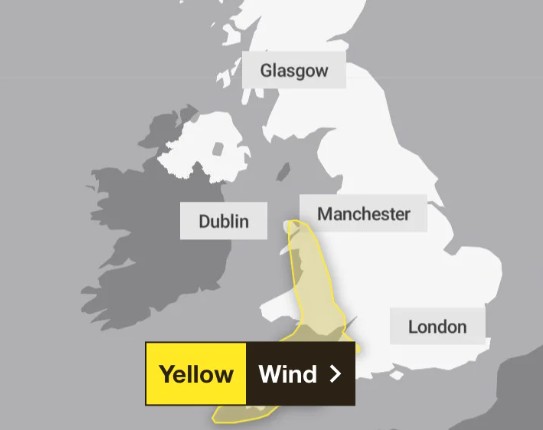
The Met Office has issued a yellow weather warning for parts of the South West, running from 4am until 11:59pm on Christmas Day.
Forecasts show strong easterly to north-easterly winds, with gusts widely reaching 45–55mph and climbing to 65mph along exposed coastlines.
Although sea surface temperatures are currently higher than average for December, experts say conditions after leaving the water will feel close to freezing due to wind chill.
In a statement shared on X, the Met Office said: “Despite sea temperatures around 10–11°C, coming out of the water it will feel close to freezing in strong easterly winds. The sea can still cause cold water shock.”
Planning a Christmas Day dip?
Take note, despite sea surface temperatures around 10-11 degrees Celsius, coming out of the water, it’ll feel close to freezing in the strong easterly winds pic.twitter.com/aDgJfQYIh0
— Met Office (@metoffice) December 24, 2025
Why are festive sea swims being cancelled?
Event organisers across Devon and Cornwall have made the decision to cancel or postpone swims after taking advice from weather forecasters and the RNLI.
For the first time in its 57-year history, the famous Coverack Christmas Day Swim in Cornwall will not go ahead. Organisers said the forecast conditions would be “too dangerous” and confirmed the event has instead been moved to New Year’s Day.
In Devon, the annual Torcross Boxing Day swim has also been cancelled. The Start Bay Inn confirmed rough north-easterly winds would make the sea unsafe.
Meanwhile, RNLI Teignmouth has scrapped its popular festive walk-in-the-sea event, which normally attracts hundreds of participants raising money for lifesaving services.
RNLI Teignmouth said: “While organisers understand the disappointment this decision may cause, safety considerations must come first.”
Torbay Council has also cancelled the Torre Abbey dip following RNLI advice, warning of large swells and unpredictable waves.
How dangerous is winter sea swimming in the UK?
Winter sea temperatures around the UK typically sit between 6°C and 10°C. At these levels, the body can experience cold water shock within seconds of entry.
Cold water shock causes an involuntary gasp, rapid breathing and a sudden rise in heart rate and blood pressure. In severe cases, it can lead to loss of muscle control or heart attacks, even in otherwise healthy people.
The UK Health Security Agency has also issued a yellow cold-health alert, warning that cold conditions increase health risks during the festive period.
What should you do if you unexpectedly enter cold water?
Emergency services continue to promote the “Float to Live” advice. Rather than trying to swim immediately, people are urged to lean back, spread their arms and legs, and focus on controlling their breathing until the initial shock passes.
This simple technique has been credited with saving lives around the UK during the winter months.