


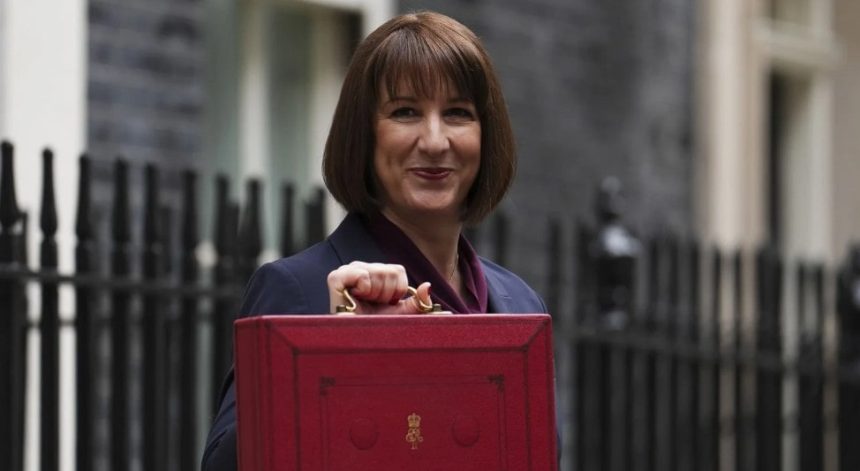
Chancellor Rachel Reeves is reportedly considering a 2p rise in income tax as part of her plans for the upcoming Budget, sparking a wave of political tension and speculation.
According to The Telegraph, the Treasury is actively exploring the possibility of increasing the income tax rate by two pence while simultaneously lowering national insurance contributions by the same amount.
This balancing act could form a key pillar of Ms Reeves’ economic strategy ahead of the 26 November Budget.
Reeves Faces Pressure Over Possible 2p Income Tax Rise
The rumour mill intensified after The Independent reported internal pressure on Ms Reeves to review Labour’s manifesto commitment and potentially amend the top rate of income tax.
While Labour had previously pledged not to raise VAT, income tax, or national insurance, party leader Sir Keir Starmer avoided reaffirming this promise during a recent Commons session.
When pressed by Conservative frontbencher Kemi Badenoch, Sir Keir deflected: “The Budget is on November 26 and we will lay out our plans, but I can tell the House now that we will build a stronger economy, we will cut NHS waiting lists and deliver a better future for our country.”
His press secretary echoed a similar line, stating they would not “pre-empt the Budget,” and pointed fingers at the previous Conservative government’s economic record, calling the fiscal inheritance “worse than we all previously thought.”
With the Budget looming, Reeves is under mounting pressure to bridge a multi-billion-pound fiscal gap. Any deviation from Labour’s tax pledges could spark voter backlash or mark a new era of economic realism.
Top Earners in the Crosshairs?
Whitehall sources have told The Independent that the government is actively considering changes to the 45p income tax band, the highest tax rate, applied to earnings above £125,140. More than 1.2 million Britons are expected to fall under this bracket by the end of the year.
“The 45p rate is definitely in play. It would be a popular move within the party,” a source revealed.
Another insider suggested that targeting the wealthiest could be the most “understandable” way to justify a broken tax promise, should it come to that.
£22 Billion Black Hole
The Institute for Fiscal Studies (IFS) recently warned that Ms Reeves faces a potential £22bn shortfall unless she implements significant tax rises or spending cuts. This fiscal squeeze is being driven by:
- High borrowing costs
- Persistent inflation
- Sluggish economic growth
- New spending promises, including a partial reversal of winter fuel cuts and scaling back welfare reductions
Though inflation has cooled slightly and growth prospects show minor improvements, analysts say it’s unlikely to be enough to completely offset the Budget pressures.
Tory Fury and a Clear Line of Attack
Conservative leader Kemi Badenoch wasted no time in seizing the political opportunity. At a fiery rally in central London, she declared: “Our message is simple. If she puts up tax, give Reeves the axe… Tax, tax, tax, tax, tax. Enough is enough.”
While Badenoch was eager to criticise the Chancellor, she stopped short of committing to reverse any income tax rises if the Tories return to power.
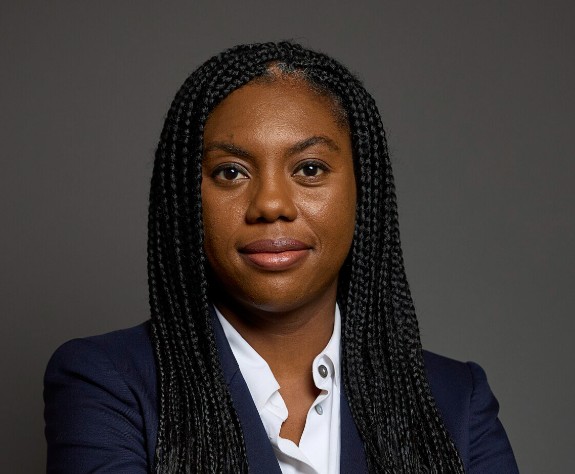
Pressed by The Independent, she responded cautiously: “We talked about the things which we are going to reverse.
We want to abolish stamp duty. We want to scrap business rates for high streets. But we don’t know what kind of mess Labour is going to be leaving in four years’ time.”
As Reeves prepares to unveil her first full Budget, she finds herself cornered between political optics and economic necessity. Her “golden rule” to fund everyday government spending through tax revenue could be put to the test like never before.
Whether she proceeds with a tax increase or sticks to manifesto commitments, the decisions made on 26 November could define not just her Chancellorship but Labour’s broader economic credibility for years to come.