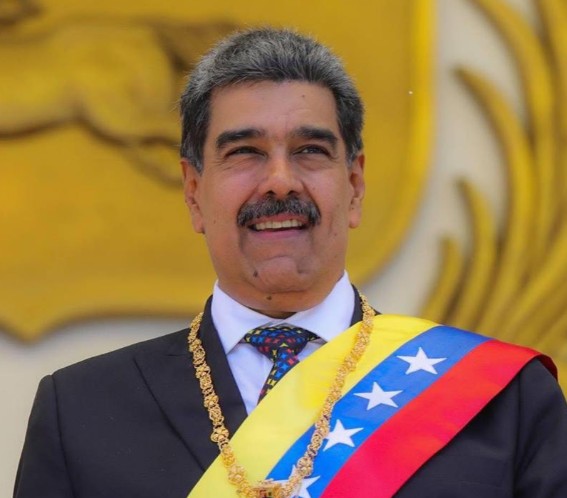
Donald Trump has ruled out any snap election in Venezuela within the next 30 days after the dramatic arrest of long-time leader Nicolás Maduro, who has pleaded not guilty to serious drug trafficking charges in a New York court.
The developments mark one of the most extraordinary political shake-ups in Venezuela’s modern history and have triggered global reaction, including concern from the United Nations and US allies.
The situation follows earlier claims that Washington would temporarily take charge of the country, a move that has already raised alarm among international observers watching US control of Venezuela unfold.
For UK observers, the crisis raises questions about international law, oil markets, and Western intervention overseas.
What has happened in Venezuela this week?
In the early hours of Saturday, US special forces carried out a covert operation in Caracas, capturing Venezuelan president Nicolás Maduro and his wife, Cilia Flores. Both were flown to the United States and appeared in a Manhattan federal court on Monday.
Maduro, 63, pleaded not guilty to multiple charges linked to an alleged international cocaine trafficking operation.
Court statement: “I am innocent. I am not guilty. I am a decent man. I am still president of my country,” Maduro said through an interpreter, before being stopped by the judge.
The hearing lasted around 30 minutes. US District Judge Alvin Hellerstein presided as Maduro took notes and listened via headphones.
Later the same day, Venezuela’s Vice President Delcy Rodríguez was sworn in as interim leader.
Why has Trump ruled out a quick election in Venezuela?
Speaking, President Donald Trump said Venezuela was in no condition to hold an election soon.
Donald Trump: “We have to fix the country first. You can’t have an election. There is no way the people could even vote. We have to nurse the country back to health.”
Trump rejected suggestions that the US is now “at war” with Venezuela, arguing instead that the focus is on tackling drug trafficking networks.
His comments come after reports of US strikes on Caracas during the weekend operation, which Trump has described as a necessary step to dismantle drug trafficking networks rather than an act of war.
Despite Speaker Mike Johnson suggesting elections could happen in short order, Trump was clear that no vote would take place within the next month.
What did Maduro say in court about the charges?
Maduro claimed he had been “kidnapped” and insisted he remains Venezuela’s legitimate president. Both he and his wife pleaded not guilty to all charges, including narco-terrorism and weapons offences.
US prosecutors allege the case involves years of large-scale cocaine shipments destined for North America. No trial date has yet been confirmed.
Is the US planning to control Venezuela’s oil industry?
Trump also revealed plans that could see US oil companies expand operations in Venezuela, with government reimbursement.
Donald Trump: “A tremendous amount of money will have to be spent, and the oil companies will spend it, and then they’ll get reimbursed by us or through revenue.”
He claimed Venezuelan oil production could be restored in under 18 months, possibly sooner.
However, this was disputed by industry sources. Executives at Exxon Mobil, Chevron, and ConocoPhillips told the Associated Press they have not yet held talks with the White House, contradicting Trump’s earlier claims.
Why are US politicians criticising Trump’s Venezuela strategy?
Several US senators have openly criticised the proposal to reimburse oil firms.
Sen. Richard Blumenthal: “How does a CEO go to shareholders and say, ‘No dividends this year, we’re investing in Venezuela’?”
Sen. Andy Kim: “This is mob boss politics… an extortion-based foreign policy.”
Republican Senator Rand Paul also warned that Trump’s rhetoric about targeting other countries, including Colombia, was escalatory.
Will US troops be sent into Venezuela?
Official messages remain mixed.
- Speaker Mike Johnson said there are no expectations of US troops on the ground.
- Trump, however, said he was not ruling anything out, stating: “We’re not afraid of boots on the ground.”
The United Nations and several American allies have criticised the military operation, raising concerns over sovereignty and international law.
How does this affect the UK and Europe?
While the UK is not directly involved, the situation matters for several reasons:
- Oil markets: Venezuela holds some of the world’s largest oil reserves. Any production shift could impact global prices, including UK fuel costs.
- International law: Western-backed interventions set precedents that concern European diplomats.
- Migration pressure: Further instability could increase refugee flows, affecting Europe.
The UK government has not yet issued a formal response.