


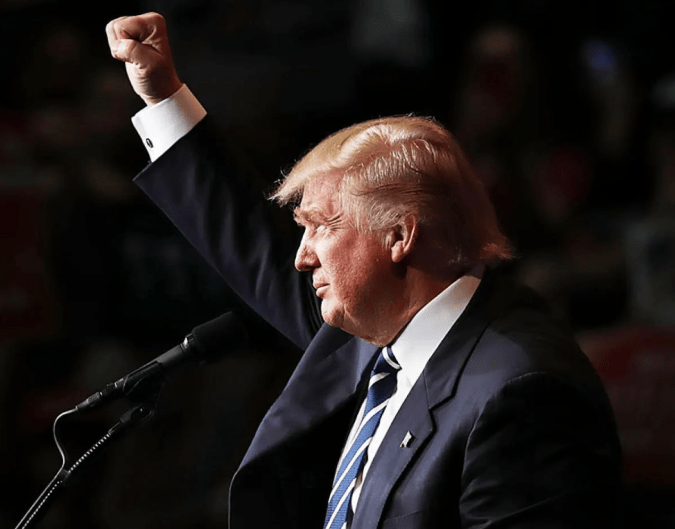
US President Donald Trump has stirred fresh controversy after claiming he would move to suspend immigration from what he describes as “Third World countries”.
His comments, shared on Truth Social, followed a tragic shooting in Washington, D.C., involving two National Guard soldiers, an incident that has reignited arguments over US border control and Trump’s wider immigration policy.
Debate Over Trump’s Immigration Stance
The firing suspect, Rahmanullah Lakanwal, was an Afghan freeman who resettled in the United States after the tumultuous American pullout from Afghanistan in 2021.
One dogface latterly failed from his injuries, while the other remains in critical condition, prompting renewed review from Trump over how the Biden administration handles immigration and vetting processes.
Although Trump didn’t outline a precise plan, the suggestion echoes the strict measures he pushed during his administration, including the controversial 2017 travel ban.
BREAKING NEWS: PRESIDENT DONALD TRUMP HAS JUST BANNED ANY AND ALL IMMIGRATION FROM THE THIRD WORLD INTO THE USA
“I will permanently pause migration from all Third World Countries.”
THIS IS NOT A DRILL ⚠️
REMIGRATION NOW❗️ pic.twitter.com/keIxg6obHm
— BRITAIN IS BROKEN (@BROKENBRITAIN0) November 28, 2025
In his post, he accused President Biden’s team of allowing “illegal admissions”, adding that he intends to “terminate” them. He also repeated his desire to “remove anyone who is not a net asset to the United States” and restrict federal benefits for non-citizens.
Trump’s commentary has added new energy to ongoing debates around border security, migratory vetting, and public safety, motifs he constantly emphasises in his political campaigning.
Growing Concerns Among Communities
His reflections have unsettled immigration lawyers, legal experts, and community leaders, many of whom fear that a broad suspension of immigration could affect thousands of families and spark questions for people formerly living in the US fairly.
Critics argue that reviving Trump-style restrictions would undermine times of resettlement work and threaten to turn settlers into political targets during a formerly heated election cycle.
The 2017 trip ban offers a stark reminder of how disruptive similar programs can be. The order targeted several Muslim countries, halted exile arrivals, and indefinitely suspended the Syrian exile programme.
Airports across America swiftly descended into chaos as trippers were detained, visas were cancelled, and crowds protested against what many called the “Muslim travel ban”.
Even after the measure was revised following multiple court battles, the Supreme Court eventually upheld a modified version in 2018. It added other countries, including North Korea and certain Venezuelan officers.
President Joe Biden formally ended the travel bans on his first day in office in 2021; however, numerous families continued to deal with detainments and emotional strain long afterwards.
Communities Preparing for Tougher Policies
With Trump formally again motioning a strict approach to immigration, numerous communities fear a return to turbulent times.
Those who endured the former bans say they’re bracing for fresh political pressure over migratory rights, shelter rules, and the future of US border policy.
As Americans process the fallout from the D.C. shooting, Trump’s latest comments have injected new urgency, and no shortage of unease, into a debate that already sits at the heart of US politics.
For many, his remarks serve as a reminder of the deep divides that defined his earlier immigration agenda and could shape the national conversation once again.


