


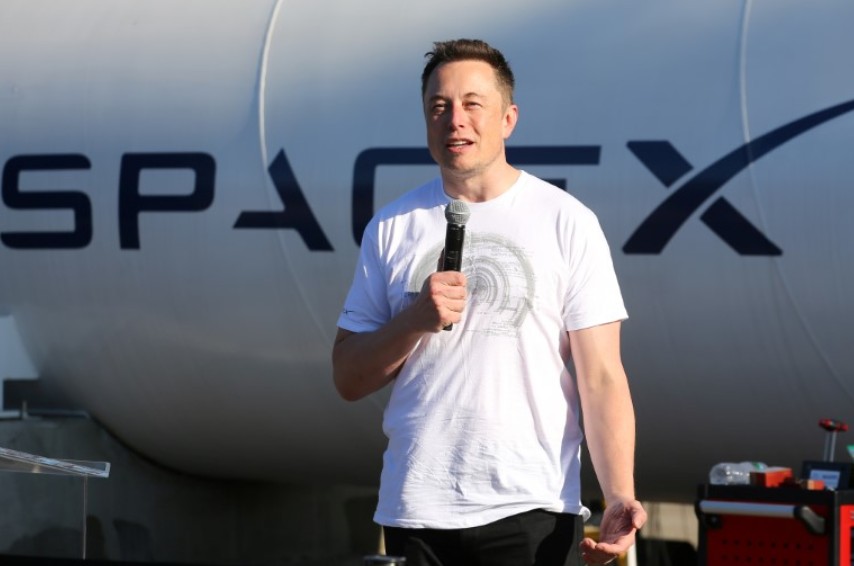
SpaceX and Tesla, two companies led by Elon Musk, are exploring options that could involve a merger or closer corporate restructuring alongside Musk’s artificial intelligence venture, xAI. Discussions emerged toward the end of 2025 and remain ongoing in early 2026.
If such a move proceeds, it would combine the firms’ Bitcoin holdings, bringing together nearly 20,000 bitcoins worth around $1.7 billion, or roughly £1.3 billion, under one corporate structure.
This matters because Tesla shares sit inside many UK pension funds, ISAs and global equity portfolios.
Any change in how crypto exposure appears on company balance sheets could influence investor confidence, share price movements and institutional investment decisions, affecting UK savers indirectly.
The talks involve US-based companies, but their financial impact stretches into UK markets due to Tesla’s global investor base.
How much Bitcoin do SpaceX and Tesla hold today?
Company filings and market estimates show both firms have kept sizeable crypto reserves since the crypto boom of 2021.
| Company | Bitcoin Holdings (BTC) | Approx Value (USD) | Approx Value (GBP) | Holding Since |
|---|---|---|---|---|
| SpaceX | 8,285 BTC | $680m | ~£520m | 2021 |
| Tesla | 11,509 BTC | $1bn | ~£770m | 2021 |
| Combined | 19,794 BTC | $1.7bn | ~£1.3bn | — |
A merged entity would rank among the world’s largest corporate Bitcoin holders, sitting just below firms such as crypto exchange owner Bullish.
While these figures appear large, the holdings still represent a small fraction of Bitcoin’s daily global trading volume. The market itself would not suddenly change if ownership moved under one corporate umbrella.
Why do accounting rules make a merger complicated?
The challenge lies in how crypto assets must be reported financially.
Tesla trades publicly and must follow fair-value accounting rules. This means changes in Bitcoin prices show up directly in earnings reports. When prices fall, losses appear immediately; when prices rise, reported profits improve.
In the final quarter of 2025, Tesla recorded a $239 million after-tax loss related to digital assets as Bitcoin dropped from roughly $114,000 to the high $80,000 range.
BLOOMBERG: SPACEX CONSIDERING TO MERGE WITH TESLA & XAI
bro…
“Musk has also discussed using SpaceX’s Starship rockets to carry Tesla’s Optimus robots to the moon as well as to Mars. xAI could benefit enormously from computing capacity provided by SpaceX’s data centers… pic.twitter.com/LMEefbI4f4
— amit (@amitisinvesting) January 29, 2026
SpaceX, as a private company, avoids this quarterly earnings pressure. Investors see far less detail about its financial position.
If SpaceX proceeds with an initial public offering, analysts speculate valuations could approach $1.5 trillion.
Crypto exposure would come under intense scrutiny during investor due diligence, particularly among cautious pension funds and institutional investors in the UK and Europe.
Why does this matter to UK investors specifically?
Many UK savers hold Tesla shares indirectly through global funds or pension schemes without realising it. A corporate restructuring involving SpaceX could change how markets assess Tesla’s financial risk.
Large crypto positions can increase earnings volatility, which in turn can influence share price stability. Institutional investors often prefer predictable earnings and balance sheets, and crypto holdings can complicate that picture.
For UK investors, the impact remains indirect but real: major US tech stocks frequently shape returns in global equity funds held by British households.
How did Tesla build its Bitcoin reserves?
Tesla first revealed a $1.5 billion Bitcoin purchase in early 2021, becoming one of the highest-profile corporate adopters of cryptocurrency. The move boosted Bitcoin’s legitimacy in traditional finance at the time.
However, Tesla later sold a significant portion of those holdings in 2022 during a market downturn, prompting debate over whether the timing hurt long-term value.
Elon Musk later reassured markets in a public post: “Tesla will not be selling any Bitcoin.” Elon Musk, via X. Since then, the company’s holdings have remained largely unchanged.
Would a merger actually change Bitcoin markets?
In practical terms, no. Ownership consolidation does not change Bitcoin’s supply or demand.
However, markets often react psychologically to major corporate moves. A unified holding under Musk’s companies could influence investor sentiment, particularly as corporate crypto exposure remains controversial among conservative investors.
It would also change how analysts track crypto risk within Musk’s business empire.
Could a future SpaceX IPO increase scrutiny?
Almost certainly. SpaceX already ranks among the world’s most valuable private companies. If listed publicly, analysts expect investors to examine every risk factor, including digital asset exposure.
Crypto holdings can add uncertainty to earnings forecasts, and some institutional investors still prefer companies without direct cryptocurrency exposure.
How SpaceX manages its balance sheet in the coming years could therefore affect appetite among UK and European investment funds.