

A three-day Pakistan protests curfew has been imposed in the northern cities of Gilgit and Skardu after violent demonstrations linked to the death of Iranian supreme leader Ali Khamenei and US-Israeli airstrikes on Iran.
At least 22 people have died in clashes across Pakistan, while protesters attacked offices of the United Nations and set buildings alight. Authorities say the curfew aims to restore order and prevent further bloodshed.
The unrest highlights growing regional tensions and raises questions about stability in South Asia, a region with strong economic and diplomatic links to the UK.
What sparked the Pakistan protests curfew?
Demonstrations erupted after news of Khamenei’s death, which Iranian officials blamed on airstrikes. Shia communities across Pakistan and neighbouring countries expressed grief and anger, with some protests turning violent.
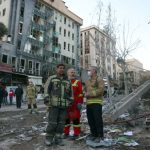
In Karachi, crowds stormed the American consulate, smashing windows and attempting to set it on fire. Police reported at least 10 deaths and nearly 120 injuries.
In Gilgit-Baltistan, clashes with security forces killed 12 people and damaged public property, including a police station and school.
Pakistan has imposed a three-day curfew in some areas after deadly protests over the killing of Iran’s Supreme Leader Ayatollah Ali Khamenei in joint US-Israeli attacks.
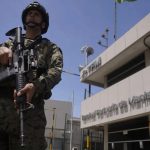
Authorities have tightened security around the US embassy and consulates.#KazofmUpdates pic.twitter.com/T4xOFJbXTQ
— 97.8 Kazo FM Omushomesa (@978KazoFM) March 2, 2026
The provincial government spokesperson for Gilgit-Baltistan, Shabir Mir, confirmed that the curfew will last until Wednesday. “The situation is under control,” he said, while urging residents to stay indoors.
Why does the unrest matter beyond Pakistan?
Geopolitical analysts say the protests reflect wider tensions following the US-Israeli strikes on Iran. Tehran has vowed retaliation, with parliament speaker Mohammad Bagher Qalibaf warning of “devastating blows” in response.
Such threats risk escalating conflict in a region already crucial to global energy supplies and trade. Any disruption could affect markets and prices in the UK and Europe. British officials also prioritise the safety of UK nationals in affected areas.
A Foreign Office spokesperson said: “We advise British citizens to avoid demonstrations and follow local guidance.”
What is the role of the United Nations?
Protesters targeted the offices of the United Nations in Skardu, setting part of the building on fire. The UN confirmed it is monitoring the situation and prioritising staff safety.
Spokesperson Stéphane Dujarric stated: “The safety and security of UN personnel and premises remain our top priority.” No injuries were reported among staff.
The incident underscores the challenges international organisations face in volatile regions where political grievances can spill into violence.
How are Pakistani authorities responding?
Interior minister Mohsin Naqvi appealed for calm, acknowledging shared grief over Khamenei’s death but urging peaceful expression of views.
“Every citizen of Pakistan shares in the grief of the people of Iran,” he said. “But we must not take the law into our own hands.”
Provincial authorities in Sindh, where Karachi is located, warned against further violence and said security measures would remain in place until order is restored.
Protests in Iraq and South Asia
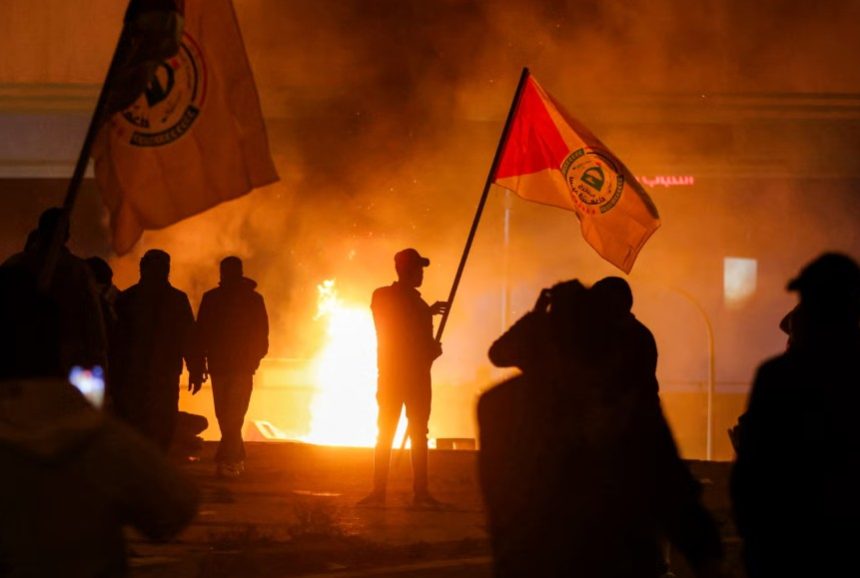
The unrest is not confined to Pakistan. In Iraq, security forces used teargas to disperse protesters attempting to enter Baghdad’s fortified Green Zone, home to the US embassy. Demonstrators waving flags of pro-Iranian groups clashed with police as tensions flared.
Meanwhile, in South Asia’s Kashmir region, large crowds mourned Khamenei’s death, with some chanting slogans against the United States and Israel. Authorities reported no major incidents but monitored gatherings closely.
These events illustrate how political and religious grievances can ignite demonstrations across borders.
Why does restraint matter?
Middle East security analyst Dr Sarah Malik warned that violence risks deepening divisions.
“Protests are a legitimate form of expression. However, attacks on property and institutions undermine the message and can provoke stronger security responses,” she said. Her comments reflect broader calls from international leaders for calm and dialogue.