


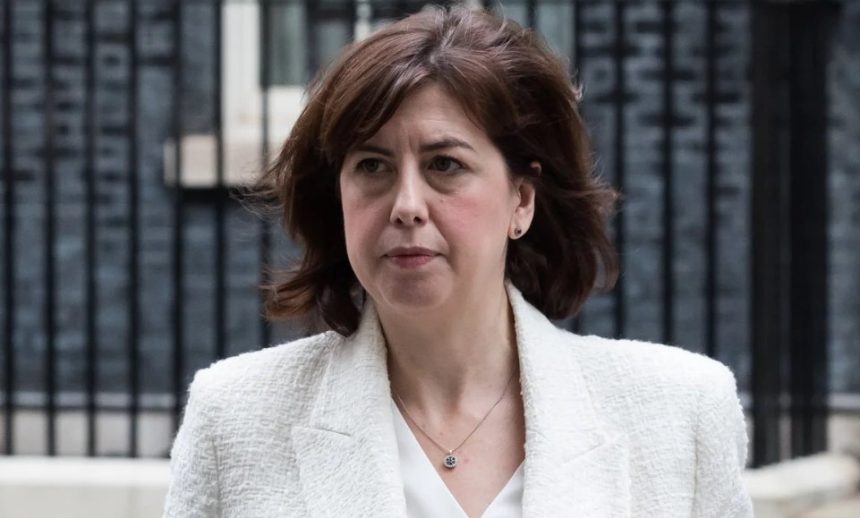
Lucy Powell Named Labour’s New Deputy Leader After Rayner’s Resignation
In a significant shift within Labour’s top ranks, Lucy Powell has officially been appointed as the new deputy leader of the Labour Party, stepping into the post vacated by Angela Rayner, who resigned last month amid scrutiny over her duty affairs.
The advertisement marks a decisive moment for Labour, coming just weeks after Rayner’s high-profile departure shook both Westminster and party patriots.
Powell, the MP for Manchester Central, takes on the role following a tense internal contest triggered by Rayner’s exit in September.
The move came after the Prime Minister’s ethics adviser ruled that Rayner had breached the ministerial code concerning stamp duty on her Brighton property.
Despite the controversy, the adviser, Sir Laurie Magnus, concluded that Rayner had “acted with integrity.”
Still, the fallout prompted Rayner to step down from her posts as Deputy Leader, Deputy Prime Minister, and Housing Secretary, positions now held by David Lammy and Steve Reed, respectively.
Powell’s appointment is being read by many as both a moment of renewal and a strategic recalibration for Labour as it looks ahead to a likely general election year.
Congratulations Lucy Powell, elected as Deputy Leader of the Labour Party. pic.twitter.com/1ZjtidomUs
— The Labour Party (@UKLabour) October 25, 2025
Interestingly, Powell’s rise follows a short-lived reversal. She had lately been dropped from the government during the reshuffle that followed Rayner’s abdication, a decision that surprised numerous within her species.
Political insiders describe her comeback as “swift and well-calculated,” with one senior Labour source suggesting that Powell’s ability to connect with grassroots members played a pivotal role in her victory.
Powell’s tone following her appointment struck both a humble and forward-looking note, signalling concinnity after weeks of political turbulence.
Rayner’s departure remains one of the most emotional moments in recent Commons memory.
In her first speech since resigning, her voice trembled as she told MPs: “The last few weeks have been incredibly tough on my family.”
She continued: “I’ve always believed in the highest standards of transparency and accountability, and it is what the public expects and it is the price we pay for the privilege of service.”
The comments drew sympathetic murmurs across the chamber, even from political opponents.
Despite stepping back, Rayner’s influence hasn’t waned. At Labour’s annual conference in Liverpool, Health Secretary Wes Streeting openly voiced his support for her comeback, telling members:
“We need her back.”
Such remarks underline the continued affection and respect Rayner commands within the party, even as new leadership settles in.
For Lucy Powell, the challenge is clear: stabilise, unite, and move forward. Her appointment represents not just a personal milestone but a pivotal chapter in Labour’s internal realignment.
The party now faces the dual test of healing from internal fractures while projecting competence and readiness for power.
Whether Powell can balance loyalty to Rayner’s legacy with her own distinct leadership style will likely define Labour’s next political phase.