


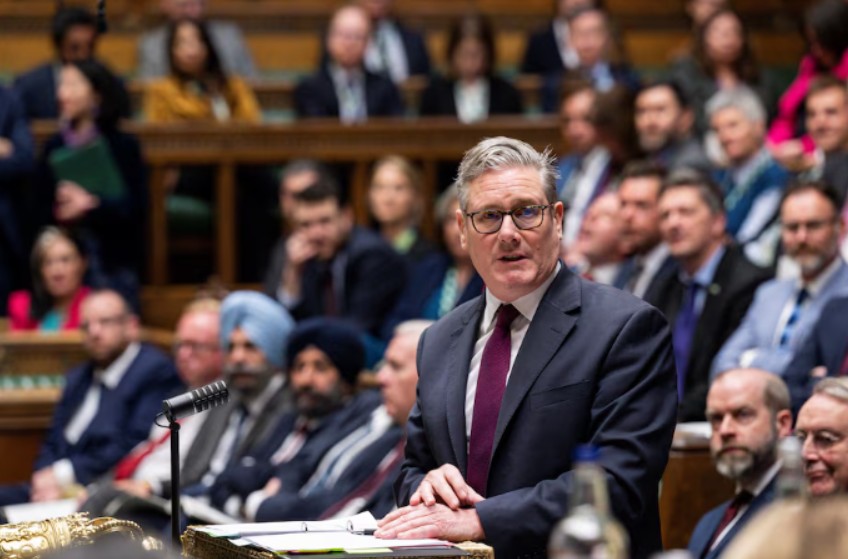
In a move signaling a major shift in national priority, Prime Minister Sir Keir Starmer is convening an emergency COBRA meeting this Monday morning.
The move follows a period of intense military escalation, coming shortly after Starmer approved US strikes on Iranian missile sites from UK bases.
The summit follows a weekend of escalating tensions in the Middle East, with Downing Street sources warning that the impact on British households is no longer a “risk” but an “inevitability.”
Joined by Chancellor Rachel Reeves, the Governor of the Bank of England Andrew Bailey, and Energy Secretary Ed Miliband, the Prime Minister will assess the UK’s resilience against what experts call a “perfect storm” of energy price spikes and supply chain fractures.
With the conflict between the US and Iran entering its fourth week, the “peace dividend” of the early 2020s has vanished, replaced by a grim economic reality for the British public.
Why has the Prime Minister called an emergency COBRA meeting now?
The decision to trigger a COBRA (Cabinet Office Briefing Room A) session, reserved for matters of national emergency, stems from a collapse in diplomatic stability over the weekend.
Following threats from US President Donald Trump to “obliterate” Iranian power plants, Tehran has moved to effectively seal the Strait of Hormuz.
🚨🇬🇧 STARMER TO HOLD COBRA MEETING AS IRAN WAR ESCALATES
Keir Starmer is set to hold an emergency Cobra meeting to address the rapidly escalating Iran conflict and its impact on the UK.
The meeting comes as tensions rise, with growing pressure on Britain’s role and the wider…
— British Intel (@TheBritishIntel) March 22, 2026
For the UK, this is an existential threat to energy security. Roughly 25% of the world’s liquefied natural gas (LNG) passes through this narrow channel.
While the UK produces a portion of its own gas, global prices are interconnected; if the Strait remains blocked, the wholesale cost of energy will skyrocket.
The meeting is also tasked with managing the domestic fallout of the BoE holding rates at 3.75% amidst fears of rising “Trump-flation.”
While the UK produces a portion of its own gas, global prices are interconnected; if the Strait remains blocked, the wholesale cost of energy will skyrocket, regardless of where the gas originates.
Which UK regions and services are most at risk of disruption?
While the military conflict is centered in the Persian Gulf, the “economic frontline” is firmly established within the UK.
- Petrol Forecourts: Rural areas in Scotland, Wales, and the South West of England are expected to see the fastest price increases due to higher logistics costs.
- Logistics Hubs: Major distribution centers along the M1 and M6 corridors are bracing for fuel surcharges that will likely be passed on to supermarket shoppers.
- Energy-Intensive Industry: Manufacturing heartlands in the West Midlands and North East face surging operational costs, sparking fears of temporary “furlough-style” pauses if energy becomes unaffordable.
- Port Security: Heightened alerts are in place at the Isle of Grain and Milford Haven as the government manages the arrival of diverted tankers.
What are the experts and officials saying about “inescapable” price rises?
The rhetoric from Westminster and industry leaders has turned sharply realistic. Chris O’Shea, Chief Executive of Centrica (the parent company of British Gas), issued a stark warning that household bill increases are now “inescapable.”
“The impact on gas and electricity bills from the closure of a key shipping lane will be significant. My gut feel is that you’ll see a sharper, more immediate impact at the petrol pumps than in monthly bills, but both are going to climb,” O’Shea stated.
Lord Walker of Broxton, the government’s cost-of-living tsar, has gone further, calling for a temporary profit cap on energy giants to prevent “opportunistic rip-offs.”
He confirmed that the Competition and Markets Authority (CMA) has been granted enhanced powers to investigate any retailer exploiting the crisis at the expense of struggling families.
Housing Secretary Steve Reed also failed to rule out food and petrol shortages during weekend interviews, though he urged the public not to engage in “panic buying,” insisting that current reserves are being managed “hour by hour.”
How will the Iran conflict impact your household budget?
The primary concern for the COBRA committee is the “second wave” of the cost-of-living crisis. Verified data suggests the following impacts:
- Annual Energy Bills: Analysts at Cornwall Insight predict a £332 average annual increase in household energy bills by July.
- Fuel Costs: Petrol and diesel are projected to rise by at least 12p to 15p per litre within the next 14 days as oil markets react to the blockade.
- Food Inflation: As shipping costs rise and the “just-in-time” supply chain is tested, supermarket prices for imported goods are expected to tick upward by 3-5% by next month.
| Category | Potential Impact | Timeline |
| Petrol/Diesel | +12p-15p per litre | Immediate |
| Household Gas/Elec | +£332 per year | July 2026 |
| Grocery Bills | +4% on average | 4-6 Weeks |
Is the UK facing a return to fuel rationing?
The question of rationing has surfaced for the first time in years. While Steve Reed stated there is “no need to ration fuel” yet, he pointedly added that the government would “look at what was required” if the situation changed.
The COBRA meeting will specifically review the National Fuel Emergency Plan. This includes the potential for “designated filling stations” for emergency services and essential workers should the Strait of Hormuz remain closed for more than 30 days.
However, for now, the message to the public is: Business as usual, but prepare for higher costs.
What strategic steps will the Starmer government take next?
Following the COBRA meeting, the government is expected to announce a three-pronged “National Resilience Strategy”:
- Diplomatic Pressure: Sir Keir Starmer will continue talks with Washington to ensure that any military action accounts for global economic stability.
- Domestic Energy Surge: Ed Miliband is expected to announce an “emergency acceleration” of North Sea gas extraction and a boost in imports from Norway to decouple the UK from Middle Eastern volatility.
- Targeted Financial Relief: Chancellor Rachel Reeves is under pressure to provide a “Winter Support Package” for the most vulnerable, though she remains resistant to broad-based tax cuts that could further destabilize the pound.