


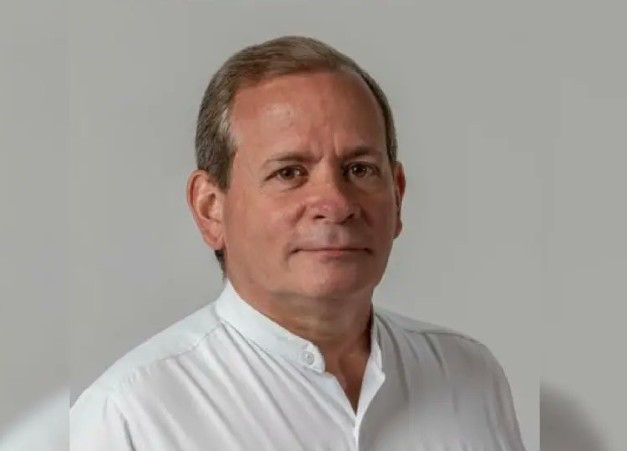
Venezuelan opposition leader Maria Corina Machado has claimed that her close ally Juan Pablo Guanipa was kidnapped in Caracas around midnight on Sunday, only hours after he was released from prison.
Machado said heavily armed men forced Guanipa into vehicles and took him away, raising fresh fears about political violence and unlawful detentions in Venezuela.
The alleged abduction has sparked renewed international concern, particularly as Venezuela remains unstable following last month’s dramatic change in leadership.
Why does the alleged kidnapping of Juan Pablo Guanipa matter right now?
Machado described the incident as a targeted seizure, claiming Guanipa was taken by force shortly after regaining freedom.
In a post shared on X (formerly Twitter), Machado said: “Heavily armed men dressed in civilian clothes arrived in four vehicles and took him away by force.”
URGENT
International AlertA few minutes ago, Juan Pablo Guanipa was kidnapped in the Los Chorros neighborhood of Caracas.
Heavily armed men dressed in civilian clothes arrived in four vehicles and took him away by force.
We demand his immediate release.— María Corina Machado (@MariaCorinaYA) February 9, 2026
If confirmed, the kidnapping would signal a sharp escalation in Venezuela’s political crisis, especially as opposition leaders and activists continue to accuse state-linked groups of intimidation and suppression.
For UK observers, the case matters because Venezuela’s instability affects international security, migration flows, and global oil markets, all of which can influence UK diplomatic priorities.
Who is Juan Pablo Guanipa and why is he a major opposition figure?
Juan Pablo Guanipa is a long-standing Venezuelan opposition politician and a key ally of Maria Corina Machado, one of the most influential figures challenging the socialist leadership that has dominated Venezuela for decades.
Guanipa has been seen as a symbolic figure for opposition supporters because he has repeatedly spoken out against political repression and has pushed for the release of detainees.
He was arrested in May after spending months in hiding, after authorities accused him of being involved in an alleged “terrorist plot”.
Opposition figures have consistently rejected such accusations, arguing they are often used to justify political arrests.
What happened in Caracas during the alleged abduction?
According to Guanipa’s son, Ramon Guanipa, the incident happened just before midnight local time.
In a video posted on social media, Ramon described the situation as an ambush. He said: “My father has again been kidnapped.”
He also claimed that around 10 heavily armed unidentified men carried out the operation.
Machado said the group arrived in four vehicles, wearing civilian clothing, suggesting the kidnappers may have been attempting to avoid being immediately identified. No official confirmation has been given so far.
What did Guanipa say after his prison release?
Only hours before the alleged kidnapping, Juan Pablo Guanipa appeared in several videos posted online following his release.
In those clips, he spoke to journalists and supporters and reportedly urged the release of other political prisoners.
He also described Venezuela’s current administration as illegitimate.
This public appearance may have made him an immediate target, especially in a climate where political speech often carries high personal risk.
Has Venezuela’s government responded to the disappearance?
As of the latest reports, Venezuela’s government has not issued an official response to requests for comment.
That silence has added to speculation and concern, particularly as Venezuela has faced years of allegations from opposition groups and human rights organisations claiming the state uses detentions to silence critics.
How does this fit into Venezuela’s wider political crisis?
The alleged kidnapping comes during an extremely volatile period in Venezuela.
Reports state that the United States captured and removed Nicolas Maduro last month, after which Delcy Rodríguez, the former vice president, took over as interim president.
This shift has left Venezuela in a tense power struggle, where opposition groups believe the government or state-aligned forces may be attempting to reassert control through intimidation.
Human rights groups have long accused Venezuela’s socialist leadership of using arrests and disappearances as a tool to crush dissent.
Could this affect UK foreign policy and public interest?
While the UK is not directly involved in Venezuelan domestic politics, this case may still influence Britain’s international approach.
The UK government has historically supported democratic processes and human rights initiatives in Latin America, often working through:
- The United Nations
- International sanctions frameworks
- Diplomatic pressure via allied nations
If Guanipa’s kidnapping becomes internationally verified, the UK could face pressure to support stronger international condemnation or targeted sanctions.
For the UK public, Venezuela’s instability also matters because it may influence:
- Global energy prices (Venezuela holds major oil reserves)
- Migration and refugee flows
- Wider geopolitical tensions involving the US and Latin America
What evidence has been shared so far?
So far, the information comes mainly from:
- Maria Corina Machado’s post on X
- A video statement from Ramon Guanipa
- Guanipa’s own social media videos released earlier in the day
At this stage, there is no independent verification confirming the identity of the kidnappers or Guanipa’s location.
However, the details provided, including the number of men, vehicles, and timing, suggest a coordinated operation rather than a random crime.
Are political kidnappings and detentions common in Venezuela?
Opposition leaders and human rights organisations have claimed for years that Venezuela’s authorities use arrests and intimidation tactics against critics.
They argue that political detainees often face:
- Long detentions without fair trial
- Limited access to legal support
- Allegations of mistreatment
Supporters of the government have historically denied these claims and have argued that arrests are linked to national security threats.
The Guanipa case, however, is likely to increase scrutiny because of how quickly it happened after his release.
Why this story resonates with British human rights concerns?
In the UK, high-profile detentions of political activists overseas often trigger public debate, especially when British diplomatic influence may help push for transparency.
Similar cases involving international political prisoners have previously led to:
- Parliamentary questions in Westminster
- Public campaigns from UK-based human rights groups
- Media pressure on the Foreign Office
If Guanipa’s disappearance becomes a prolonged case, UK-based organisations such as Amnesty International’s UK branch could increase calls for international action.