


As the new year begins, millions of households across the UK continue to juggle rising bills, expensive essentials and limited disposable income.
Although inflation has eased, the cost of living crisis is far from over, making January 2026 benefit payments a crucial financial lifeline for families, pensioners and disabled people.
Below is a clear, up-to-date explainer on when payments are due, what changes to expect in 2026, and what extra help is available as living costs remain stubbornly high.
Why are January benefit payments so important in 2026?
January is traditionally one of the hardest months financially. Colder temperatures push up heating bills, while Christmas spending leaves many households with depleted savings.
Inflation may have fallen to 3.2 per cent in November, down from 3.6 per cent, but prices are still rising and remain far higher than they were just a few years ago. Food, energy and housing costs continue to outpace income growth for many people.
The impact is being felt nationwide. The Trussell Trust estimates that around 14 million adults in the UK are going without food because they cannot afford it.
Energy debt has also surged, with arrears climbing to £4.4 billion, more than double their level five years ago.
The Joseph Rowntree Foundation has warned that low-income families are heading towards the sharpest fall in living standards on record by 2029.
Will January benefit payments be paid early?
Most benefit payments will be made as normal in January, but one bank holiday is important to note.
Wednesday 1 January 2026 (New Year’s Day) is a bank holiday. Anyone due to receive a benefit payment on that date should receive their money one working day earlier, on Tuesday, 31 December 2025.
This applies to all major benefits administered by the Department for Work and Pensions, including Universal Credit, Child Benefit, Pension Credit and disability benefits such as PIP and DLA.
Which benefits are paid in January 2026?
The table below shows the main benefits affected by the New Year bank holiday and how payment dates are handled.
| Benefit type | Usual payment frequency | If due on 1 January 2026 |
|---|---|---|
| Universal Credit | Monthly | Paid on 31 December 2025 |
| State Pension | Every 4 weeks | Paid early |
| Pension Credit | Every 4 weeks | Paid early |
| Child Benefit | Every 4 weeks | Paid early |
| PIP / DLA | Every 4 weeks | Paid early |
| Carer’s Allowance | Weekly or every 4 weeks | Paid early |
| ESA / JSA / Income Support | Weekly or fortnightly | Paid early |
Payments not due on bank holidays will arrive on their normal dates.
When will the state pension be paid in January?
State pension payments follow a long-standing schedule based on the final two digits of your National Insurance number. Payments are usually made on the same weekday every four weeks.
| NI number ending | Normal payment day |
|---|---|
| 00–19 | Monday |
| 20–39 | Tuesday |
| 40–59 | Wednesday |
| 60–79 | Thursday |
| 80–99 | Friday |
If your payment day falls on a bank holiday, the money should arrive earlier, usually the previous working day.
Are benefit rates increasing in 2026?
From April 2026, some benefits will rise, but changes are not uniform.
Universal Credit standard allowances will increase by around 6.2 per cent, which is above inflation. A single claimant over 25 will see their weekly payment rise from £92 to £98, while couples over 25 will see an increase from £145 to £154 per week.
Most other benefits, including Personal Independence Payment, Disability Living Allowance, Attendance Allowance and Carer’s Allowance, will rise by 3.8 per cent, in line with September’s inflation rate.
However, the health-related element of Universal Credit is being significantly reduced for new claimants, falling from £105 to £50 per month.
Existing claimants will see their payments frozen until 2029. Charities have warned this could leave some disabled people hundreds of pounds worse off each year.
The full new state pension will rise by 4.8 per cent in April 2026, bringing the weekly amount to £241.05, following earnings growth.
What extra cost-of-living help is available?
Support beyond regular benefits remains available, particularly through local councils.
Discretionary Housing Payments can help people struggling with rent, while the Household Support Fund provides assistance with food, energy bills and essential household items. Support varies by area, but some councils offer help worth up to £300.
The Household Support Fund is due to run until March 2026, after which it will be replaced by a new Crisis and Resilience Fund, backed by £1 billion in government funding.
Are energy bills rising again?
Energy costs are set to increase slightly. Ofgem has confirmed that the energy price cap will rise from £1,755 to £1,758 between January and March 2026.
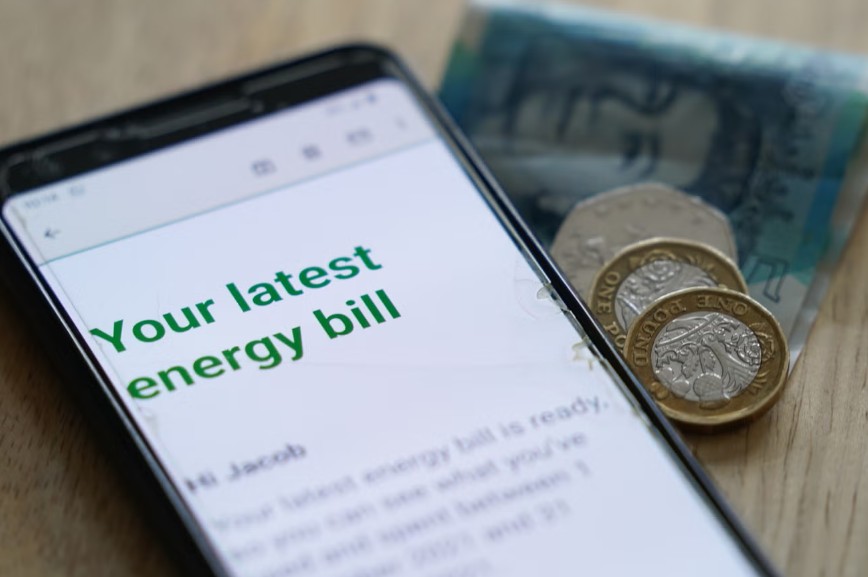
While the increase is small, many households are still paying far more than they were before the energy crisis.
Ofgem continues to advise households to consider fixed-rate tariffs, some of which are currently cheaper than the cap.
Will there be another cost-of-living payment?
There are no plans to bring back the Cost of Living Payment scheme. The final payments were made in February 2024, and the Department for Work and Pensions has confirmed there will be no continuation.