


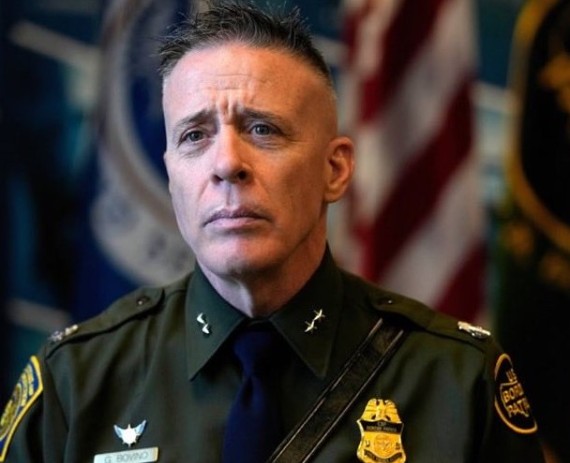
Border Patrol commander Gregory Bovino, the US official closely linked to President Donald Trump’s hard-line immigration enforcement, is expected to leave Minneapolis on Tuesday, days after a fatal shooting by federal agents triggered political backlash, court action, and nationwide protests.
The move comes as Trump reshuffles leadership of the immigration operation and reduces the federal presence in Minnesota, following growing criticism from state leaders and civil rights groups.
What happened, and why does it matter?
The decision follows the Saturday shooting of Alex Pretti, an ICU nurse, by Border Patrol agents in Minneapolis.
The incident intensified scrutiny of federal enforcement tactics and raised questions about accountability, leadership, and the limits of executive power.
For UK readers, the story matters because it highlights how policing, immigration enforcement, and political authority can collide, issues that also shape debates at Westminster and across British cities.
Who is Gregory Bovino, and why is he controversial?
Gregory Bovino is a senior US Border Patrol commander who became a public face of Trump’s aggressive immigration drive.
He oversaw high-profile crackdowns that sparked mass demonstrations in Los Angeles, Chicago, Charlotte, and Minneapolis.
His position became untenable after he claimed the man killed on Saturday had planned to “massacre” law enforcement officers, an allegation authorities have not substantiated.
That statement drew sharp condemnation from local officials and Democratic lawmakers.
A person familiar with the matter told US media that Bovino is among federal agents now leaving Minneapolis as the operation winds down.
What changed inside the Trump administration?
President Trump confirmed he has put his long-time immigration adviser Tom Homan in charge of the mission, with Homan reporting directly to the White House. The shake-up signals a shift in tone after days of unrest and legal pressure.
🚨HUGE: We can now confirm Gregory Bovino has been REMOVED from his role as Border Patrol “commander at large,” and it gets worse.
He was just notified he has lost access to his DHS social media accounts which he used to respond to people who criticized him over Pretti’s death.… pic.twitter.com/VpFN3gW0p2
— CALL TO ACTIVISM (@CalltoActivism) January 27, 2026
Trump also softened his public stance on Minnesota, pointing to talks with Governor Tim Walz and Minneapolis Mayor Jacob Frey.
Donald Trump: “We actually seemed to be on a similar wavelength.” Tim Walz: The call was “productive,” and the shootings require impartial investigations.
Mayor Frey said he asked Trump to end the enforcement surge and was told the situation “cannot continue”.
Why are the courts now involved?
Minnesota and the cities of Minneapolis and St Paul have taken the US Department of Homeland Security to court, arguing the federal operation unlawfully targets so-called sanctuary policies.
On Monday, US District Judge Katherine Menendez questioned the government’s motives and asked whether there are limits to executive power when enforcing immigration law.
Judge Menendez: “Is there no limit to what the executive can do under the guise of enforcing immigration law?”
The court is considering whether to temporarily halt the operation and reduce the number of federal officers back to pre-surge levels.
How big was the federal presence?
According to government lawyers, around:
| Federal force | Estimated officers on the ground |
|---|---|
| Immigration and Customs Enforcement (ICE) | ~2,000 |
| Border Patrol | ~1,000 |
State officials argue this scale has worsened tensions and public safety risks.
What reaction has there been on the streets?
News of Bovino’s expected departure did not stop protests. Demonstrators gathered outside a Minneapolis hotel believed to be housing federal officials, using whistles, pots, and even a trombone as police kept watch.
Civil rights groups say the protests reflect wider concern about militarised enforcement in US cities.
Why does this matter to a UK audience?
While the events unfolded in the US, they echo UK debates around policing powers, immigration enforcement, and central government authority.
British readers will recognise similar tensions between national policy and local leadership, particularly in discussions around asylum, public order policing, and civil liberties.