


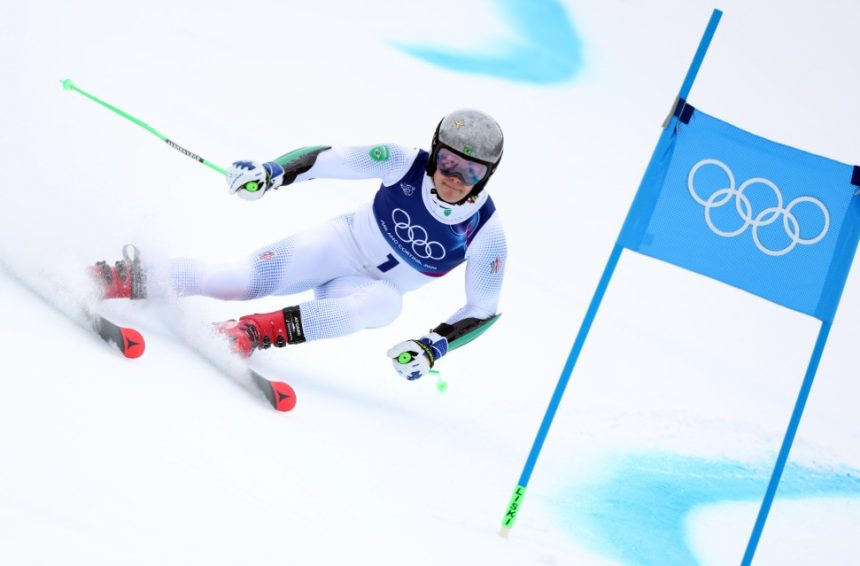
Former world champion Marc Girardelli has praised Lucas Pinheiro Braathen for changing the image of alpine skiing, saying the Brazilian skier brings personality, excitement and fresh energy to a sport often dominated by traditional European stars.
Braathen, 25, is preparing for the upcoming Milano-Cortina Winter Olympics, where he is expected to compete in major events, including the giant slalom. Girardelli believes the athlete’s presence could help attract a new generation of fans.
Why is Lucas Pinheiro Braathen being called a “game-changer”?
Lucas Pinheiro Braathen has become one of the most talked-about names in alpine skiing, not just for his technical ability but also for his confidence, style, and showmanship.
Marc Girardelli, a respected figure in the sport, believes Braathen offers something rare, a skier who can perform at the highest level while also making the sport feel entertaining and modern.
Girardelli’s view is simple, skiing needs stars that people want to watch, not just athletes who win quietly. “People watch sport because of personalities, not only because of results,” Marc Girardelli
What makes Braathen different from traditional ski champions?
Unlike many skiers who keep a low profile, Braathen has built a public image that goes beyond racing.
He is widely recognised for:
- Fashion collaborations with luxury brands
- A strong social media presence
- DJ performances and music interests
- A lifestyle linked to surfing and travel culture
This mix has made him stand out in a sport that has historically focused more on discipline and tradition than celebrity.
Why does Lucas Pinheiro Braathen represent Brazil instead of Norway?
Braathen was born in Norway but now represents Brazil, the country of his mother.
He previously stepped away from the Norwegian skiing setup after feeling limited by rules around sponsorship and athlete freedom. His return under the Brazilian flag has been viewed as a bold move and one that has increased global interest in the sport.
When announcing his comeback, he made his intentions clear with a message full of confidence and flair: “The time has come, Brazil. Let’s dance,” Lucas Pinheiro Braathen
Can Braathen win Brazil’s first Winter Olympic medal?
Braathen is aiming to achieve something historic, delivering South America’s first-ever Winter Olympic medal.
That goal has attracted major attention because Brazil is not known as a winter sports nation. A medal would be a landmark moment not just for Brazil, but for global alpine skiing as well.
His performances in both slalom and giant slalom suggest he could realistically challenge the top European contenders.
How does Girardelli compare Braathen to other top skiers?
Girardelli has acknowledged that several skiers in the current field are technically outstanding, including the consistent European medal favourites.
However, he argues that Braathen’s difference is not just skill; it is the way he sells the sport.
Girardelli believes alpine skiing needs athletes who create a story, build excitement, and pull casual viewers in.
That kind of personality, he suggests, helps skiing compete with sports that dominate TV audiences, such as football and golf.
What has Braathen achieved so far in his career?
Braathen has already delivered major results despite his young age.
Key achievements include:
- Winning the World Cup slalom title in 2023
- Becoming the first Brazilian to win a World Cup alpine skiing race
- Building a reputation as a serious medal contender in slalom and giant slalom
He is currently ranked among the top skiers in the world and remains one of the most unpredictable and entertaining racers on the circuit.
Why does alpine skiing need stars like Lucas Pinheiro Braathen?
Girardelli believes alpine skiing faces a challenge: it is thrilling, risky and highly skilled, but it struggles to stay mainstream compared to larger global sports.
Braathen’s personality could help change that. By blending elite racing with modern celebrity culture, he could bring new fans to the slopes, including viewers who normally would not follow winter sports.
His presence at the Milano-Cortina Olympics may become a key moment for the sport’s future visibility.