

European and Ukrainian leaders are gathering in The Hague today to launch a new International Claims Commission aimed at compensating Ukraine for the enormous human and economic toll of Russia’s full‑scale invasion, now in its fourth year.
The initiative marks a major push in holding Russia accountable for war damages and alleged war crimes, amid broader peace and security talks.
What Is the International Claims Commission and Why Now?
The International Claims Commission (ICC) is a newly agreed body designed to review and assess claims for compensation from Ukraine for losses caused by Russian military aggression since 24 February 2022, the day Moscow launched its full-scale invasion.
Its establishment was agreed at a diplomatic conference co-hosted by the Council of Europe and the Netherlands.
This step follows years of groundwork:
- A Register of Damage for Ukraine (RD4U) was created in 2023 to catalogue claims submitted by individuals, businesses, and the Ukrainian state.
- Now, the ICC will be the second stage of a broader compensation system, assessing claims and determining compensation amounts.
“The Register and now the Claims Commission represent essential tools in ensuring justice and accountability,” said one EU official ahead of today’s launch.
How Much Damage Are We Talking About?
Independent estimates suggest Ukraine has suffered hundreds of billions of dollars in total war damage, including:
| Category | Estimated Cost (Approx.) |
|---|---|
| Infrastructure destruction | $60–80 billion |
| Housing and civilian property damage | $40–50 billion |
| Economic losses and business disruption | $50–70 billion |
| Human and social costs | Difficult to quantify in monetary terms |
These figures reflect assessments from reconstruction planning and international monitoring groups, though exact totals will only be determined as ICC cases are reviewed.
What Are Ukraine’s Requests From the US?
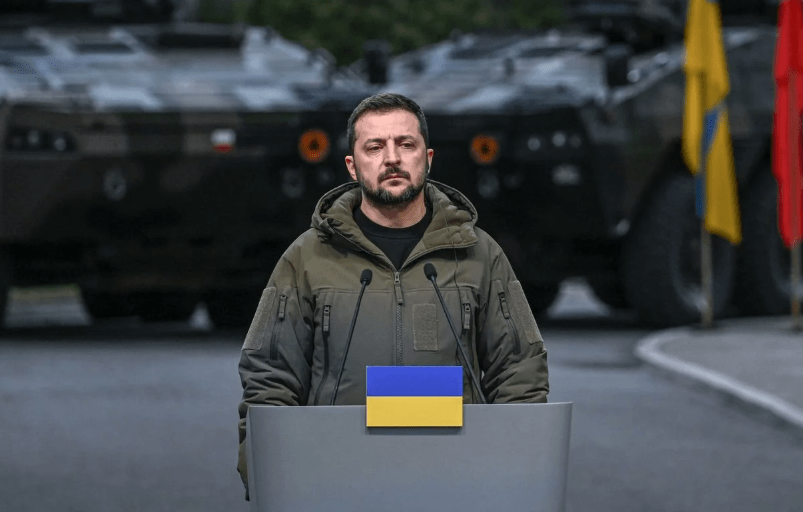
During talks with European and US leaders, President Zelensky said Ukraine would request additional long-range weapons, including British-supplied Storm Shadow missiles, and stronger sanctions against Russia if Moscow rejects diplomatic efforts to end the war.
Kyiv supports a Christmas-period ceasefire, especially to protect energy infrastructure, which Zelensky called a humanitarian priority.
Zelensky said the Monday meetings were a “productive step towards agreeing on a ceasefire deal.”
Russia’s Latest Military Response
Meanwhile, Russia reported that air defence units destroyed a drone flying towards Moscow, according to Mayor Sergei Sobyanin.
” Emergency services are working at the site where the debris fell “. This latest incident highlights the ongoing risks and continued military activity even as diplomatic talks progress.
How Will the Claims Commission Work?
The ICC will function as an administrative body:
- Review Claims: Examine individual and institutional claims filed through the Register of Damage.
- Assess Compensation: Decide the value and eligibility of damages.
- Recommend Awards: Propose compensation amounts and implementation pathways.
The Commission must be ratified by at least 25 states before it becomes fully operational. Around 35 countries are expected to sign the founding convention, signalling broad international support.
Where Might Funding Come From?
A key question is how compensation would be paid. Possibilities under discussion include:
- Frozen Russian assets: The EU has frozen significant Russian state assets, potentially making them available for Ukraine support.
- International loans or trust funds: Countries may pool resources into special funds to implement awards.
- Donor contributions: States outside Europe could contribute directly or through development funds.
However, Moscow is pushing back, seeking legal claims on frozen assets, complicating the funding landscape.
How Does This Fit With Peace Talks and UK Policy?
Ukraine’s President Volodymyr Zelensky described earlier diplomatic meetings with European and US leaders as “productive” steps toward a ceasefire and broader peace deal.
Kyiv insists on stronger sanctions and long‑range defensive weapons if diplomatic efforts stall.
For the UK:
- London has repeatedly backed Ukraine’s right to sovereignty and security.
- The UK supports mechanisms that uphold international law, human rights, and reparations.
- UK firms may play a role in post‑war reconstruction.
In parallel, European leaders agreed on new security guarantees for Ukraine, including proposals for a European-led peacekeeping force. Compensation talks are intertwined with long-term peace and defence strategies.
Have Similar Mechanisms Worked Before?
International claims bodies have precedents, typically in post-war or post-conflict settings, though few have operated on this scale. For example:
- After the Gulf War (1991), the UN established compensation funds for Kuwaiti losses.
However, the Ukrainian context is unprecedented in terms of duration, scale, and geopolitical complexity, making the ICC’s success far from guaranteed.
What happens next?
- Signing and Ratification: States attending today’s conference will sign the convention establishing the ICC.
- Operational Phase: Once ratified, the Commission will begin reviewing claims.
- Funding Structures: Debates continue on whether frozen Russian state assets can be legally and effectively used to pay compensation.
- Integration with Peace Talks: Compensation is likely to be a key factor in any future ceasefire or peace negotiations.