


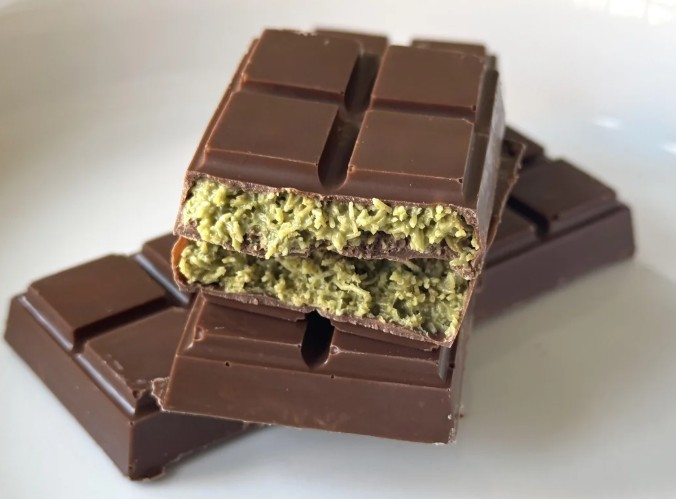
An urgent “do not eat” warning has been issued to UK shoppers over viral Dubai chocolate, after food safety officials warned that some products could trigger life-threatening allergic reactions.
The alert comes during the busy Christmas shopping period, as the luxury-style chocolate continues to trend across social media and appears on shelves in independent UK retailers and online stores.
What is Dubai chocolate, and why has it become so popular?
Dubai chocolate is a Middle Eastern–inspired confection that went viral in the UK during 2024, driven largely by TikTok, Instagram Reels and YouTube food reviews.
The chocolate is typically made with a thick milk chocolate shell and a rich filling containing pistachio, tahini and shredded filo pastry. Fans praise its soft yet crunchy texture and indulgent flavour, making it a popular gift item in the run-up to Christmas.
However, its rapid rise in popularity has raised concerns about how some imported versions are being sold and labelled in the UK.
Why has the Food Standards Agency issued a warning?
The Food Standards Agency (FSA) has warned that some Dubai-style chocolate products currently on sale in the UK have failed food safety and labelling checks.
Testing found that certain products contained peanut and sesame, two major allergens, which were not declared on the packaging.
This lack of information could place people with allergies at serious risk, including the possibility of fatal reactions.
The FSA confirmed it is reviewing sampling data from products on sale across the UK to assess whether they meet British food safety standards.
Who is most at risk from eating Dubai chocolate?
The warning is aimed specifically at people with food allergies. Even very small amounts of undeclared allergens can cause severe reactions, including breathing difficulties, sudden drops in blood pressure and anaphylaxis.
People with peanut, sesame or multiple food allergies are being advised not to consume Dubai-style chocolate at all until the investigation is complete.
What has the FSA said to UK consumers?
Rebecca Sudworth, Director of Policy at the Food Standards Agency, said: “We’ve found that some products contain peanut and sesame that aren’t declared on the label.”
She added, “People with an allergy should not eat Dubai-style chocolate. If you’re buying a gift for someone who lives with allergies, our advice is to avoid buying these products. This includes all allergies, not just peanut and sesame.”
The FSA described the advice as a precaution while further checks are carried out.
Is selling undeclared allergens illegal in the UK?
Under UK law, any food containing allergens must clearly list them on the packaging so consumers can make safe and informed choices.
Jessica Merryfield, Head of Policy and Campaigns at the Chartered Trading Standards Institute (CTSI), said: “The legal requirements on this are clear, any food containing allergens needs to be clearly identified and labelled.”
She warned that failing to do so is not only illegal but “highly dangerous”, and urged food businesses, retailers and importers to take immediate action.
Can people without allergies still eat Dubai chocolate?
The FSA has said that people without allergies can still consume Dubai-style chocolate, particularly when it is sold by reputable brands and trusted UK retailers.
However, shoppers are being encouraged to be cautious with imported products, especially those bought online or from sellers where allergen labelling is unclear or missing.
Why is this warning especially important at Christmas?
Dubai chocolate has become a popular festive gift, increasing the risk of accidental exposure to allergens. Well-intentioned presents could cause serious medical emergencies if given to someone with an allergy.
Food safety officials are urging shoppers to think carefully before buying imported sweets and chocolates as gifts this Christmas.
If you or someone you are buying for has any food allergies, it is safest to avoid Dubai-style chocolate for now. Stick to well-known UK retailers with clear allergen labelling, particularly during the festive season when food-related risks increase.