


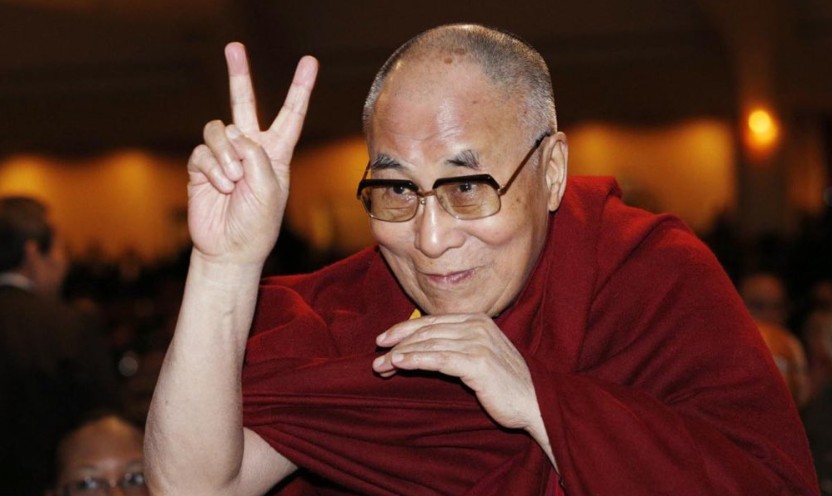
The Dalai Lama has denied ever meeting convicted paedophile financier Jeffrey Epstein after his name appeared repeatedly in newly released documents linked to the disgraced US businessman.
The denial was issued on Sunday by the Dalai Lama’s office in Dharamshala, northern India, after online speculation spread across social media suggesting the Tibetan spiritual leader had some form of contact with Epstein.
The statement comes after the release of millions of pages of documents in the United States, part of a growing archive of material linked to Epstein’s network and communications.
Why is the Dalai Lama being linked to Jeffrey Epstein?
The controversy emerged after people searching through the latest release of Epstein-related files noticed that the name Dalai Lama appeared dozens of times.
Reports suggest the wider archive includes more than 150 references to the spiritual leader, triggering questions online about whether Epstein had any personal connection to him.
However, the documents do not claim the Dalai Lama took part in any meeting, event, or communication with Epstein.
Instead, the references appear to relate to Epstein’s attempts to arrange meetings with high-profile figures, including world-famous academics, celebrities, and political figures.
What did the Dalai Lama’s office say?
The Dalai Lama’s office issued a firm denial, stating that claims of any link were misleading.
In the statement, officials said: “We can unequivocally confirm that His Holiness has never met Jeffrey Epstein or authorised any meeting or interaction with him by anyone on His Holiness’s behalf.”
Press Statement
Some recent media reports and social media posts concerning the “Epstein files” are attempting to link His Holiness the Dalai Lama with Jeffrey Epstein.
We can unequivocally confirm that His Holiness has never met Jeffrey Epstein or authorised any meeting or… pic.twitter.com/QtV6B3Wr0u
— Dalai Lama (@DalaiLama) February 8, 2026
The office said the statement was released in response to online posts attempting to connect the Dalai Lama with Epstein after the file dump.
The Dalai Lama, now aged 90, has not been accused of any wrongdoing.
What do the Epstein files actually show?
The latest tranche of documents includes private emails and correspondence, some dating back years, that appear to show Epstein discussing plans to meet famous individuals.
In one reported email exchange from 2015, Epstein suggested arranging a dinner involving the Dalai Lama, alongside other well-known figures.
Messages also suggest Epstein believed he could use his contacts to gain access to influential individuals across politics, science, culture, and religion. The emails do not confirm whether the meeting ever happened.
Does appearing in the Epstein files mean someone is guilty?
No. Experts and legal analysts have repeatedly warned that the release of the Epstein files can lead to confusion and misinformation.
A person being named in emails or documents does not automatically mean:
- They met Epstein
- They knew about his criminal activity
- They were involved in wrongdoing
Many names in the archive appear because Epstein spoke about them, attempted to contact them, or included them in proposed plans.
The Dalai Lama’s office appears to be responding to concerns that public assumptions could damage his reputation without evidence.
Why is this story drawing attention worldwide?
The Dalai Lama is one of the world’s most recognisable religious leaders and a major figure in global human rights discussions.
His reputation has already faced scrutiny in recent years, including controversy in 2023 when footage circulated showing him telling a young boy to “suck my tongue” during an interaction at a temple.
The incident drew international criticism and raised questions about cultural boundaries and safeguarding, although supporters defended the Dalai Lama and said he had acted playfully.
His office later issued an apology, saying he regretted any harm caused.
Because of that previous controversy, the latest Epstein-related speculation has gained rapid traction online.
What impact could this have on public trust?
The renewed discussion highlights how quickly reputations can become tied to scandal through online speculation, especially when high-profile names appear in leaked documents.
It also raises concerns about how the public interprets large-scale data releases, particularly when they involve criminal investigations and sensitive information.
In the UK, where the Epstein scandal remains widely discussed, the story may fuel renewed debate about celebrity influence, accountability, and how elites gain access to powerful circles.