


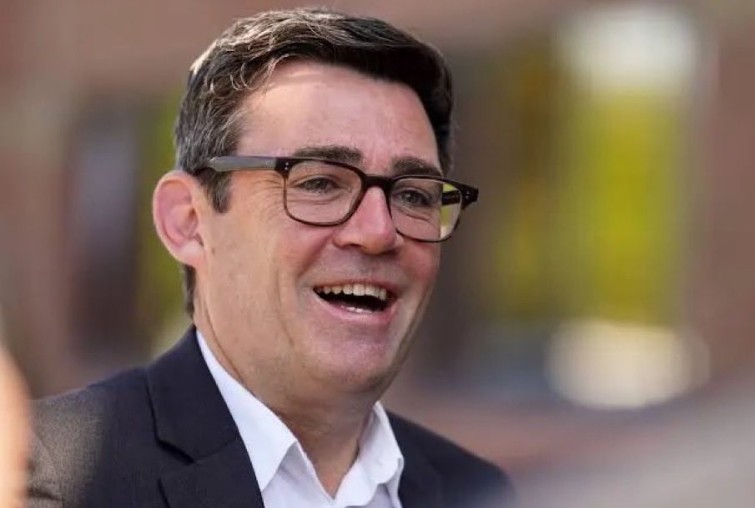
Greater Manchester Mayor Andy Burnham wins Makerfield by-election with 54% of the vote, signalling a seismic shift in British politics. His decisive victory over Reform UK’s Robert Kenyon provides the parliamentary platform required to launch a leadership challenge against a struggling Sir Keir Starmer.
- The Mandate: Burnham secured a comfortable majority of 9,231 votes, with a high turnout of 58.75%, far exceeding expectations for a mid-term by-election.
- The Political Earthquake: The result effectively ends the Starmer era of calm, as Andy Burnham fuels Labour leadership speculation in Westminster and provides rebels with a clear, popular figurehead.
- The Path Ahead: Burnham will be sworn in on Monday, with intense speculation mounting over whether he will trigger a formal leadership contest to force a change at Number 10.
Why Makerfield became the most important seat in Britain?
The Makerfield by-election was triggered by the resignation of former Labour MP Josh Simons, who stepped down specifically to allow the Greater Manchester Mayor to return to the House of Commons.
For the Labour Party, this was not just a battle for a seat; it was a test of whether their most popular figure could reverse the party’s plummeting poll ratings.
Andy Burnham has won the Makerfield by-election, beating Reform with a majority of over 9,000 votes. pic.twitter.com/nvhjvtOm4N
— Greatest Hits Radio News (@GHRNewsUK) June 19, 2026
By securing 54% of the votes, significantly higher than the support for Reform UK (35%) and the hardline Restore Britain party (7%), Burnham has proven that he can hold the Red Wall against the populist right.
🚨 BREAKING: Andy Burnham has won the Makerfield by-election
🔴 LAB: 24,937 (+6,725) – 54.8%
➡️ REF: 15,696 (+2,893) – 34.5%
🟣 RES: 3,111 (NEW) – 6.8%
🔵 CON: 997 (-3,382) – 2.2%
🟢 GRN: 308 (-1,468) – 0.7%
🔶 LD: 163 (-2,572) – 0.4%Changes w/ 2024
58.75% turnout— Politics UK (@PolitlcsUK) June 19, 2026
His victory is being framed by party insiders as the final chance to change, a sentiment Burnham echoed in his victory speech, where he described the result as a turning point for the country.
The Economic Consequences of a Change in Leadership
The potential transition from Sir Keir Starmer to Andy Burnham represents more than just a change in personnel; it signals a fundamental pivot in the UK’s economic direction. Burnham’s platform, often dubbed Manchesterism, advocates for:
- Regional Devolution: Moving power and budgets away from Whitehall and into the hands of combined authorities.
- Active State Intervention: Using the success of the Bee Network, Greater Manchester’s integrated transport system, as a blueprint for nationalised rail and bus services.
- Rebalancing the North: Prioritising infrastructure investment in the North West to address the regional productivity gap, which remains a key concern according to Office for National Statistics (ONS) data.
Financial markets and regional stakeholders are now closely watching how a potential Burnham administration would balance this increased state spending with the UK’s existing fiscal constraints.
Parliamentary Arithmetic and the 81-MP Threshold
Under Labour Party rules, a leadership contest requires the support of one-fifth of the Parliamentary Labour Party, exactly 81 MPs.
While Burnham is the favourite among the membership (polling at 47% as the preferred leader, compared to Starmer’s 31%), the immediate question is whether he can bridge the gap between his personal popularity and the loyalty of the parliamentary party.
Current Cabinet ministers remain divided. While Sir Keir Starmer has publicly offered Burnham a big role in government to prevent a contest, Burnham’s allies have consistently signalled that he has no interest in serving under the current Prime Minister, viewing the current government as stuck in a state of uncertainty and paralysis.
The Mayoral Succession Crisis
Burnham’s election to Parliament triggers an immediate resignation from his post as the Mayor of Greater Manchester, as mandated by the Police Reform and Social Responsibility Act 2011 and the Local Democracy, Economic Development and Construction Act 2009.
- Interim Governance: Paul Dennett, the Mayor of Salford and the current statutory deputy mayor, will step in as the acting mayor.
- The By-Election Timeline: A mayoral by-election must be held within 35 working days, likely placing the vote in early August. This creates a new battleground, with Reform UK and the Green Party already looking to capitalise on the void left by Burnham’s departure.