

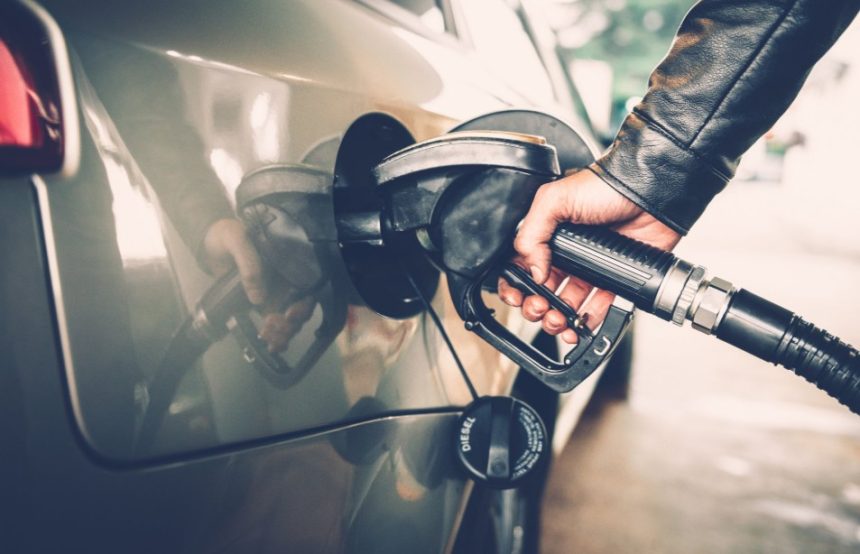
The UK is currently gripped by a significant fuel price spike, with data from April 4, 2026, showing average diesel prices soaring to 187.5p per litre and petrol climbing to 156.0p.
Driven by geopolitical instability in the Middle East and a stranglehold on the Strait of Hormuz, British drivers are facing a “perfect storm” of rising wholesale costs and a looming end to fuel duty relief.
For the average UK household, the cost of a 55-litre tank of diesel has jumped by nearly £25 since February. Understanding how to save fuel costs has shifted from a lifestyle choice to a vital economic survival strategy for commuters and businesses across the country.
Why are UK Petrol and Diesel Prices Soaring Right Now?
The primary catalyst for the current price hike is the escalating conflict in the Middle East, which has disrupted global oil supply chains.
Specifically, threats to tankers in the Strait of Hormuz, a transit point for 20% of the world’s oil, have sent crude prices into a tailspin.
In the UK, this has resulted in what analysts call “rocket and feather” pricing: pump prices rising instantly as wholesale costs jump, but falling slowly when they retreat.
The RAC Foundation estimates that since the start of the crisis in late February, UK motorists have paid an additional £583 million at the forecourt.
Which UK Regions are Being Hit Hardest by the Price Hikes?
While the national average is concerning, regional disparities are stark. Drivers in Northern Scotland, West Wales, and Cornwall are reporting diesel prices exceeding 195p per litre due to higher logistical and distribution costs.
Conversely, urban areas with high supermarket density, such as Greater Manchester and the West Midlands, remain the most competitive.
According to Fuel Finder UK, supermarket petrol is currently averaging 3.3p cheaper per litre than premium brands like BP or Shell, offering a potential saving of roughly £6 per tank for those willing to detour.
What is the UK Government and CMA Doing to Protect Drivers?
The Competition and Markets Authority (CMA) has officially “put on notice” major fuel retailers. As of March 12, 2026, the CMA has accelerated its monitoring of fuel margins to ensure retailers are not exploiting the crisis to pad profits.
“Whilst price increases might be inevitable due to wholesale costs, they must reflect genuine pressures. We will call out any concerning behaviour,” stated Juliette Enser, Executive Director for Markets at the CMA.
Furthermore, the UK Government has confirmed that the 5p fuel duty cut will remain until August 31, 2026. However, a phased “unwinding” is scheduled to begin in September, meaning drivers must brace for further increases of 1p in September and 2p in December.
How Can UK Drivers Practically Save Fuel Costs Today?
Master the “Speed vs. Aerodynamics” Rule
Aerodynamic drag is the single biggest thief of fuel at high speeds. For most UK cars, the “sweet spot” for efficiency is around 50–55 mph.
Dropping speed from 70 mph to 60 mph on motorways like the M1 or M25 can improve fuel economy by up to 15%.
At speeds under 30 mph in urban areas, opening windows is more efficient, but once you exceed 45 mph, closing the windows and using the air conditioning on a low setting is better, as the “drag” from open windows becomes more expensive.
Practice “Anticipatory Driving”
Every time the brake pedal is pressed, energy already paid for is wasted. Looking far ahead at traffic lights and roundabouts allows drivers to lift off the accelerator early and coast toward them in gear.
This uses almost zero fuel thanks to modern engine systems that cut fuel delivery during coasting. Smooth acceleration and avoiding “stop-start” surges can save the average commuter roughly £20 per month.
Perform a “Vehicle Weight Audit”
The UK’s cost-of-living crisis has made even the smallest weight gains expensive. For every 50kg of unnecessary weight carried, fuel consumption increases by approximately 2%.
Drivers should clear out boots of heavy items like tools or sports equipment. Additionally, removing empty roof racks or cycle carriers can save up to 10% on fuel costs by reducing wind resistance.
Optimise Tyre Pressure for UK Roads
With unpredictable spring temperatures, tyre pressure can fluctuate significantly. Under-inflated tyres have a higher rolling resistance, meaning the engine must work harder to move.
Checking pressures every fortnight at a local forecourt and ensuring they match the manufacturer-recommended PSI can improve MPG by up to 3%.
Use Technology to Beat the “Zip Code Lottery”
Fuel prices in the UK can vary by as much as 20p per litre between stations just a few miles apart. Using live price comparison apps to check costs before leaving is essential.
Currently, supermarket forecourts are the most competitive, while motorway service stations are charging upwards of 200p per litre due to the supply crisis. Planning a refill at a local supermarket can save £6–£10 per tank.
What Happens Next for UK Fuel Prices?
Analysts at Petrol Prices warn that if the Middle East crisis remains unresolved, diesel could hit the 190p-200p range by mid-April. Motorists are advised to:
- Use Comparison Apps: Utilise the Government’s Fuel Finder database to locate the cheapest local stations.
- Review Business Fleets: Small businesses are being encouraged to optimise delivery routes to reduce “dead mileage.”
- Monitor the Budget: Keep a close eye on Treasury announcements, as pressure mounts for a further VAT reduction on fuel to ease the cost-of-living crisis.