



Fresh revelations linked to the Epstein files have exposed disturbing details about a hidden storage locker used by convicted sex offender Jeffrey Epstein.
Newly disclosed inventory records show that Epstein allegedly stored computers, VHS tapes, pornographic magazines, nude photographs, and so-called “sex slave” manuals in units rented across Florida.
The materials reportedly date back as early as 2003 and may have been moved before a police raid on his Palm Beach mansion in 2005.
The disclosure raises serious questions about how key evidence may have evaded investigators for years, and whether further documents could now emerge under transparency laws.
What Was Found in Epstein’s Secret Storage Locker?
According to reported inventory documents, the contents of one “hidden” unit included:
- Multiple computers and digital equipment
- Pornographic magazines and DVDs reportedly involving teenagers
- VHS tapes
- 29 address books
- A three-page list of local masseuses
- Nude photographs believed to show victims
- Greeting cards and laboratory results
- An 8mm video cassette tape
- A 2005 calendar
- Training manuals described as relating to “sex slaves.”
The precise content of the manuals has not been publicly detailed.
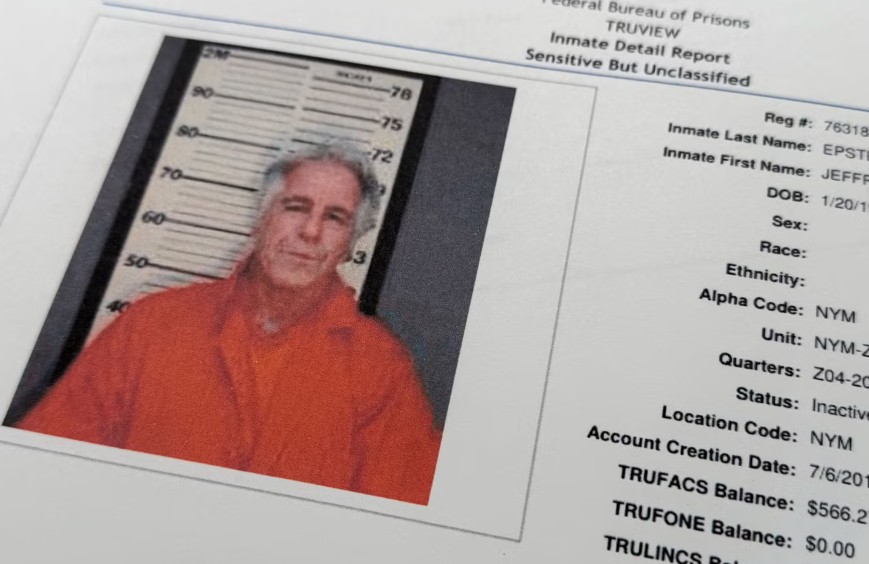
Records suggest Epstein rented several units in Palm Beach County and paid for at least one locker until 2019, the year he died in a New York jail while awaitinga federal sex trafficking trial.
Did Epstein Evade Police Before the 2005 Raid?
Palm Beach police raided Epstein’s mansion in 2005 during an early investigation into allegations involving underage girls. However, reports state that by the time officers entered the property, significant evidence had already disappeared.
Three computers were allegedly missing, with only keyboards left behind.
Financial records indicate Epstein began renting storage lockers as early as 2003. Documents suggest he may have hired private investigators to move items off-site before law enforcement action.
This raises fresh concerns about whether authorities missed crucial material during the initial inquiry.
In 2008, Epstein pleaded guilty in Florida to state charges of procuring a child for prostitution and soliciting a prostitute. A controversial plea deal allowed him to avoid federal prosecution at the time, a decision widely criticised in subsequent years.
What Do the Epstein Files Reveal More Broadly?
The Epstein files refer to millions of pages of court documents, emails, photographs, and investigation materials released in phases by the U.S. Department of Justice.
These files stem from federal and civil investigations into Epstein and his associate Ghislaine Maxwell, who was convicted in 2021 for helping recruit underage girls.
The document release has drawn global attention because it references, though does not accuse, several high-profile figures. Among those whose names appear in records are:
- Donald Trump
- Bill Clinton
- Elon Musk
It is important to stress that appearing in documents does not imply criminal wrongdoing.
Epstein himself died in custody in August 2019 while awaiting trial on federal trafficking charges. Authorities ruled his death a suicide.
Could the Locker Materials Be Released Publicly?
Questions remain about whether federal investigators seized the storage contents and whether they fall under proposed transparency legislation linked to the ongoing release of the Epstein files.
When asked whether the materials were under review or subject to disclosure, the FBI declined public comment.
The U.S. Justice Department has already published millions of pages of material after missing earlier deadlines for full disclosure. Legal experts say further releases may depend on court rulings, privacy protections for victims, and national security considerations.
Why Does This Matter in the UK?
Although Epstein’s crimes occurred in the United States, the case has significant UK links.
Prince Andrew faced civil allegations in the US relating to his association with Epstein. He has consistently denied wrongdoing and settled a civil lawsuit in 2022 without admission of liability.
Peter Mandelson has also faced scrutiny over historic associations, though no criminal charges have been brought.
For the UK public, the issue remains one of accountability, transparency, and safeguarding, particularly where powerful figures may have crossed paths with a convicted offender.