


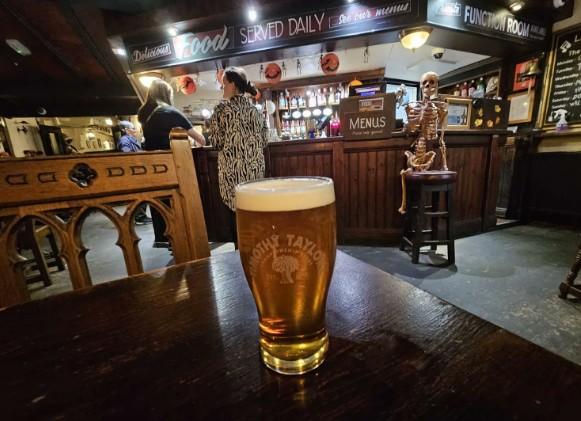
Britain could lose up to 540 pubs in 2026 after MPs approved an inflation-linked rise in alcohol duty, triggering fresh warnings from the hospitality industry about rising costs and accelerating closures.
Industry leaders say the move amounts to a Labour hospitality tax raid, landing at a time when pubs are already struggling with higher wages, national insurance, energy bills and sharply rising business rates.
The warning comes as new figures show one pub closed every day across England and Wales in 2025, underlining what many MPs describe as a sector in long-term decline.
Why are pubs facing closure after the Labour hospitality tax raid?
The immediate concern is an inflation-linked increase in alcohol duty, due to take effect on 1 February 2026, following approval of the Government’s Finance Bill.
According to UKHospitality, the trade body representing pubs, bars and restaurants, the duty rise could directly contribute to 540 pub closures in 2026 if no further support is introduced.
Publicans argue the increase is not happening in isolation. It comes alongside:
- Higher employer National Insurance contributions
- A rise in the National Living Wage
- Persistently high energy costs
- Escalating business rates
- New workers’ rights legislation affecting staffing flexibility
Many pubs operate on margins of 2–4 per cent, leaving little room to absorb additional tax rises without passing costs on to customers.
What do the latest figures say about pub closures in the UK?
Independent analysis by tax specialists Ryan shows the scale of the problem:
- 365 pubs closed permanently in 2025 across England and Wales
- That equates to one closure every single day
- More than 15,000 pubs have shut across the UK since 2000, according to the British Beer & Pub Association
Rural and community pubs are among the hardest hit, particularly those with limited footfall and higher operating costs.
How much have business rates increased for some pubs?
Business rates have emerged as one of the most controversial pressure points.
Labour MP Gareth Snell told the House of Commons that one brewer in his constituency saw its business rates rise by 450 per cent, calling the increase “unsustainable”.
Labour MP Jacob Collier, who represents Burton and Uttoxeter, said many pubs are now running on “very low margins, if any at all”, making further tax rises impossible to absorb.
Greater Manchester Mayor Andy Burnham has also called for a full reform of the system, arguing that rebalancing business rates would deliver “real relief for the high street and particularly pubs.”
What are MPs saying about the impact on communities?
Concerns have crossed party lines.
- Liberal Democrat MP Calum Miller warned that pub closures in Bicester and Woodstock were stripping towns of a “key institution that brings the community together.”
- Conservative MP Sir Edward Leigh raised fears that proposed reductions to drink-driving limits could further damage rural pubs, which rely heavily on local customers.
- Shadow Treasury Minister James Wild accused the Government of “layering costs upon costs”, arguing that fiscal policy is accelerating hospitality closures.
“Years of mounting pressures have left many venues operating on very low margins, if any at all.” Labour MP Jacob Collier, House of Commons
Why does the Government defend the alcohol duty rise?
Treasury Minister Lucy Rigby told MPs the Government wants pubs to “thrive”, insisting ministers are open to working with the sector.
She defended the alcohol duty increase by arguing that extending previous freezes would mainly benefit supermarkets and off-licences, rather than pubs themselves.
The Chancellor is understood to be considering limited business rates relief, but no formal package has yet been announced.
How will drink prices change for customers in 2026?
Further pressure is expected later this year after Diageo confirmed price rises from April:
-
Guinness: around 4p more per pint
-
Smirnoff Vodka: up by 13p per bottle
Industry figures warn that repeated price increases risk driving customers away at a time when many households are already cutting back on discretionary spending.
How is a local pub being squeezed?
In the Midlands, several community pubs report weekly cost increases of hundreds of pounds, driven by wages and rates alone. Landlords say even popular venues are struggling to remain profitable without raising prices beyond what customers are willing to pay.
Many fear that once a pub closes, it rarely reopens, with buildings often converted into housing or retail units.