


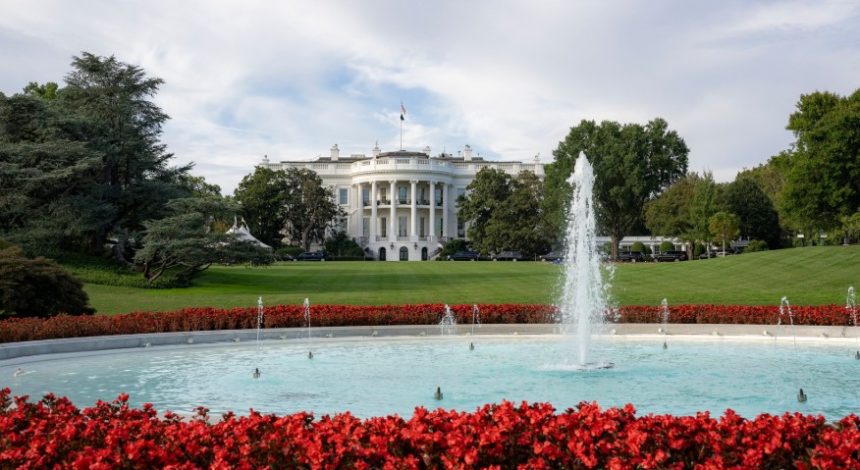
In a shocking turn of events, the United States has announced it will stop processing all immigration requests from Afghan nationals indefinitely. This comes after two National Guard soldiers were critically injured in a shooting near the White House.
The US Citizenship and Immigration Services (USCIS) confirmed the decision on Twitter, saying: “Effective immediately, processing of all immigration requests relating to Afghan nationals is stopped indefinitely pending further review of security and vetting protocols.”
Effective immediately, processing of all immigration requests relating to Afghan nationals is stopped indefinitely pending further review of security and vetting protocols.
The protection and safety of our homeland and of the American people remains our singular focus and…
— USCIS (@USCIS) November 27, 2025
Afghan Immigration Halted Amid Security Concerns
President Donald Trump labelled the attack an “act of terror,” pointing out that the suspect arrived in the US from Afghanistan in 2021 during President Joe Biden’s administration.
This move aligns with Trump’s former calls for a review of Afghan citizens admitted under Biden, signalling a renewed focus on security and vetting measures.
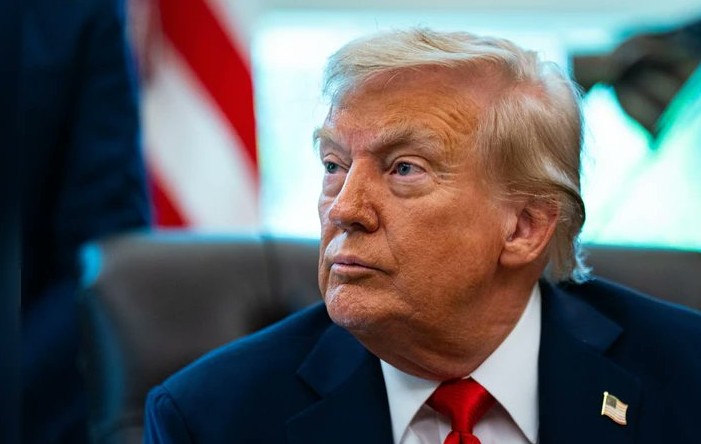
For many, the advertisement raises questions about US immigration policy and the safety of public spaces in Washington.
USCIS stressed that guarding the motherland and American citizens remains its top priority.
“The protection and safety of our homeland and of the American people remains our singular focus and mission,” the agency added.
Impact on Afghan Nationals and Immigration Process
The snap is anticipated to affect a significant number of Afghan citizens seeking entry into the United States. Experts say the decision may slow down resettlement and family reunification programmes while authorities reassess vetting protocols.
While the US moves to strengthen security, many are left wondering how this will impact those hoping to rebuild their lives in America.
The review process is likely to be thorough, pressing the balancing act between public security and philanthropic commitments.