
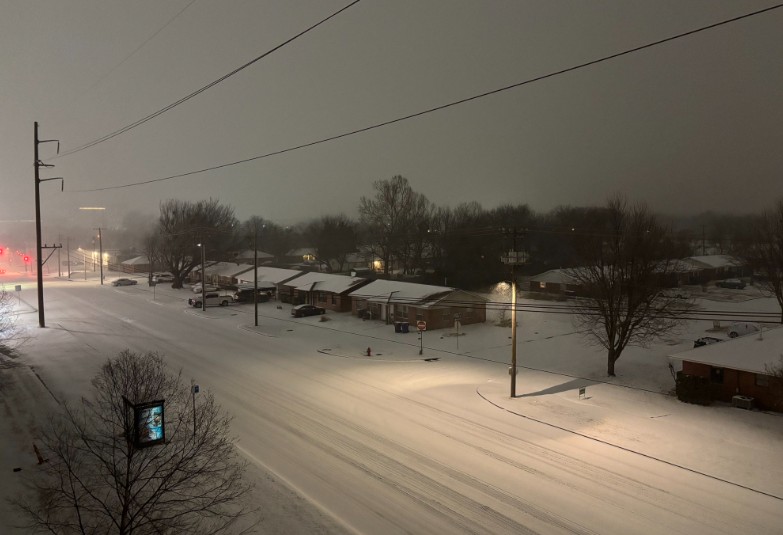
The UK faces renewed winter disruption as the weather forecast snow storm outlook shows colder air pushing south across Britain this season, with snow, sleet and icy rain possible in several regions.
The Met Office says these systems matter because they affect travel, school openings and household costs, especially during peak commuting hours and high energy demand.
What is happening in the UK weather forecast right now?
Forecasters say cold Arctic air can clash with moist Atlantic systems during winter, creating snowstorms instead of rain.
In the UK, this often hits northern England, Scotland, Wales and higher ground first, before edging south.
Meteorologists track these systems days in advance using temperature profiles and rainfall patterns. When surface temperatures sit near or below 0°C, rain can quickly turn to snow or freezing rain.
Why do snowstorms cause so much disruption in the UK?
Snowstorms strain UK infrastructure because many roads, rail lines and airports operate close to capacity. Even small snowfall totals can cause delays if they hit at rush hour.
Key impacts usually include:
- Slower road journeys due to ice and reduced visibility
- Train cancellations on exposed routes
- Airport delays, especially on early morning flights
- School closures where safe access becomes difficult
The Met Office regularly warns that “even a few centimetres of snow can lead to significant travel disruption”, especially overnight or early morning.
Which parts of the UK are most at risk during a snowstorm?
Higher ground and northern regions face the greatest risk, but southern England is not immune. Past winters show that areas like the Midlands and South East can see major disruption when snow falls on untreated roads.
Over 144 million people are now under Winter Storm Warnings. This high-impact winter storm is forecast to bring widespread heavy snow and catastrophic ice accumulations from the southern Plains/Rockies to New England through the weekend. Please follow advice from local officials. pic.twitter.com/162zoDgT8C
— NWS Weather Prediction Center (@NWSWPC) January 24, 2026
Urban areas also feel knock-on effects, as bus services and deliveries struggle in icy conditions.
How accurate are UK snowstorm forecasts?
Modern UK forecasting has improved, but snow remains difficult to predict. A difference of just one or two degrees can change snow into rain.
The Met Office updates its weather forecast snowstorm warnings frequently, using:
- Yellow warnings for possible disruption
- Amber warnings for likely disruption
- Red warnings for dangerous conditions
What should households do to prepare?
UK authorities advise practical, low-cost steps:
- Check travel plans before leaving home
- Keep grit or salt for driveways and paths
- Allow extra time for journeys
- Check on vulnerable neighbours
Energy experts also warn that cold snaps push up gas and electricity use, so households should monitor usage and keep heating systems serviced.
How does this compare with previous UK winters?
The UK has seen more short, sharp cold spells in recent years rather than long freezes. These bursts can feel worse because people and services have less time to prepare.
Transport bodies say early warnings help councils pre-treat roads, which reduces accident risk when snow does fall.