


The US federal government has entered a partial shutdown after Congress failed to reach a funding agreement, mainly due to a bitter fight over border security.
This affects services including the Department of Homeland Security, IRS operations, and international aid. The story matters to the UK public for its geopolitical implications, US-UK trade and travel links, and as a case study in political gridlock.
What Triggered the Partial Government Shutdown?
The US federal government entered a partial shutdown late Friday after Congress failed to approve a new spending plan.
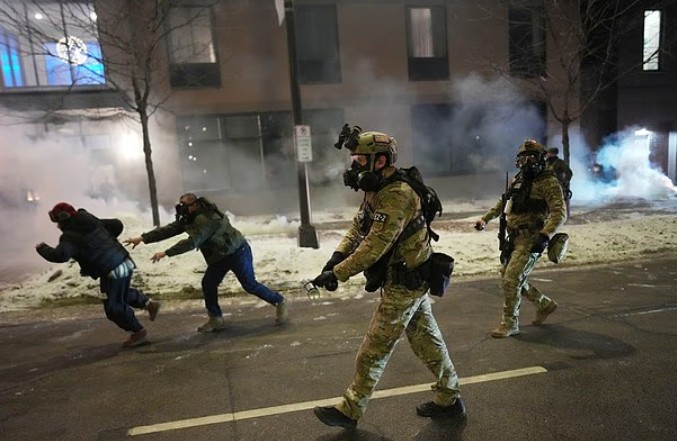
The impasse came after Democrats refused to fund the Department of Homeland Security (DHS) without reforms to immigration enforcement, following the shooting of Minneapolis man Alex Pretti by Border Patrol agents last weekend.
The Senate approved five appropriations bills and a two-week continuing resolution for DHS by a 71–29 vote.
Still, the House of Representatives, currently on recess until Monday, has yet to vote. This guarantees a funding lapse at least until next week.
Senator Bernie Sanders, along with five Republicans, Ted Cruz, Ron Johnson, Mike Lee, Rand Paul, and Rick Scott, joined 23 Democrats in voting against the deal, highlighting the partisan and cross-party divisions.
Which Government Services Are Affected?
While this shutdown is less severe than the record 43-day closure late last year, several federal services are affected:
- Departments impacted: Homeland Security, State, Treasury
- Programs paused: Federal transportation, labour, health, housing, education initiatives, IRS operations, and some foreign aid
- Departments remaining operational: Energy, Commerce, Justice, Agriculture, Interior, Veterans Affairs, EPA, FDA, and military construction projects
Most services disrupted during last year’s shutdown, such as SNAP food assistance, farm loans, and national park maintenance, remain funded, reducing the immediate impact.
Why Are Democrats Blocking Funding for DHS?
Democrats argue that DHS leadership, including Secretary Kristi Noem, has allowed aggressive immigration enforcement without proper oversight, a stance sharpened after the Pretti shooting.
🚨 Partial U.S. government shutdown begins at midnight tonight.
OMB Memo M-26-06 (Jan 30, 2026) directs affected agencies (incl. parts of Defense, Homeland Security, etc.) to execute orderly shutdown plans as funding lapses
Senate passed a deal late today, but House won’t vote… pic.twitter.com/dnHndDkLu1
— jamie Miner (@jamieMiner9) January 31, 2026
Senate Minority Leader Chuck Schumer stated: “ICE and Border Patrol are operating without guardrails, and Congress must act to ensure accountability.”
By separating DHS from the broader appropriations package, Democrats aim to force reforms on border operations and gain leverage for future negotiations, even as Republicans accuse them of using tragedy for political advantage.
How Are Republicans Responding?
House Republicans, led by Speaker Mike Johnson, have expressed frustration with the Senate deal. Some, like Rep. Ralph Norman, called it “ludicrous” and vowed to oppose it.
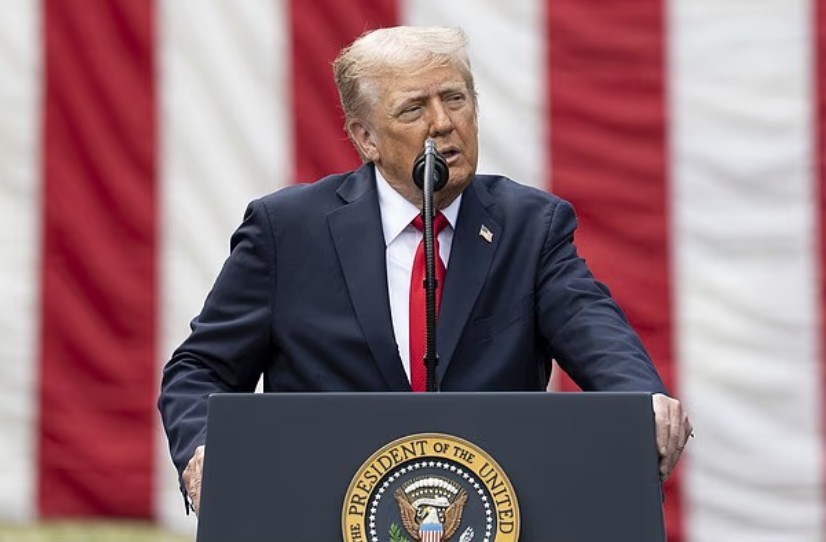
President Donald Trump also weighed in, posting on Truth Social: “Republicans and Democrats in Congress have come together to get the vast majority of the Government funded until September, while at the same time providing an extension to DHS … including the very important Coast Guard.”
Trump urged lawmakers to support the deal, emphasising national security and continuity of operations.
What Could This Mean for the Public?
The shutdown is expected to be brief and largely symbolic over the weekend, as most federal offices are closed on Sundays.
However, any extended delay could impact tax processing, visa applications, and international aid programmes, with potential ripple effects for UK citizens applying for US visas or involved in trade and security partnerships.