


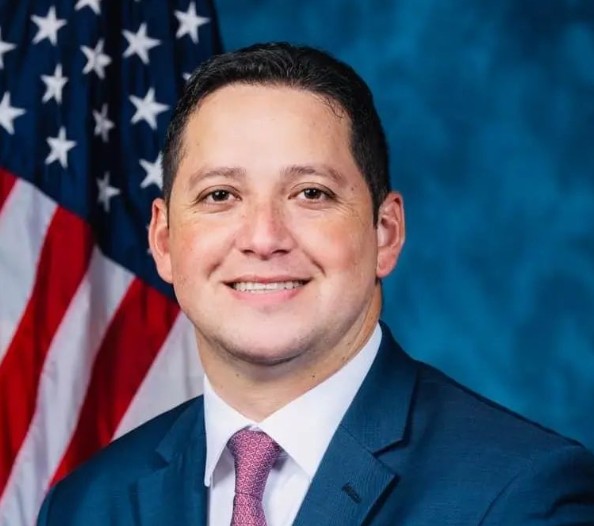
US Republican congressman Tony Gonzales has announced he will not seek re-election after admitting to an affair with a staff member who later died by suicide.
The decision came on Thursday after senior figures in his party publicly urged him to withdraw his campaign, and as a congressional ethics investigation begins.
Gonzales, a married father of six, confirmed earlier this week that he had a relationship with staff member Regina Santos-Aviles, who died in September 2025.
The case has triggered political pressure in Washington and renewed scrutiny of workplace relationships within US politics.
Why has Tony Gonzales dropped his re-election campaign?
Gonzales announced his decision in a public statement posted on X (formerly Twitter), saying he had made the choice after discussing it with his family.
— Rep. Tony Gonzales (@RepTonyGonzales) March 6, 2026
“After deep reflection and with the support of my loving family, I have decided not to seek re-election.”
The announcement followed a rare intervention by senior Republican leaders in the US Congress. In a joint statement, Mike Johnson, Steve Scalise, Tom Emmer, and Lisa McClain urged him to address the allegations directly.
Their statement said: “We have encouraged him to address these very serious allegations directly with his constituents and his colleagues.”
The pressure came only days after Gonzales failed to secure enough support from voters to win his party’s nomination ahead of the next US mid-term elections.
The controversy also comes after a difficult election cycle for Gonzales. Earlier primary voting failed to secure him a clear path to the party nomination, pushing the contest toward a runoff and raising questions about his political standing.
The earlier Texas runoff election involving Tony Gonzales had already signalled that the race for his seat was becoming increasingly competitive.
What allegations are under investigation?
The House Ethics Committee confirmed it had opened an investigation into whether Gonzales engaged in sexual misconduct involving a member of his staff.
The committee announced the probe just hours before Gonzales publicly admitted the relationship.
Initially, the Texas congressman had denied the claims. Earlier this year, he described the allegations as “Blackmail” and a “coordinated attack” designed to remove him from office.
However, during an interview with conservative podcast host Joe Pags, Gonzales acknowledged the relationship.
What happened to Regina Santos-Aviles?
Regina Santos-Aviles, who worked in Gonzales’s office, died in September 2025 near her home in Uvalde, Texas.
According to reports from US authorities, the local medical examiner ruled her death a suicide after she set herself on fire. The tragedy intensified scrutiny of Gonzales when the alleged relationship became public months later.
During the podcast interview, Gonzales said he was shocked by her death and rejected any suggestion that the affair was connected.
“I had absolutely nothing to do with her tragic passing. And, in fact, I was shocked just as much as everyone else,” he said.
How unusual is a congressional ethics investigation like this?
Investigations by the House Ethics Committee are relatively rare but politically significant. They typically examine issues such as:
| Type of Allegation | What It Means | Possible Consequences |
|---|---|---|
| Sexual misconduct | Improper behaviour toward staff or colleagues | Reprimand, censure, or resignation |
| Misuse of office | Using position for personal gain | Fines or loss of committee roles |
| Campaign violations | Breaking election finance rules | Legal penalties or investigation |
While the committee does not usually issue criminal charges, its findings can trigger political pressure, party discipline, or resignation from office.
Why does this story matter beyond the US?
Although the controversy centres on American politics, it highlights wider concerns that also affect Westminster and other democracies:
- Power imbalances between politicians and staff
- Workplace relationships within political offices
- Ethics oversight in elected institutions
In the UK, similar issues have led to investigations by parliamentary watchdogs and reforms to staff complaint systems in recent years.