


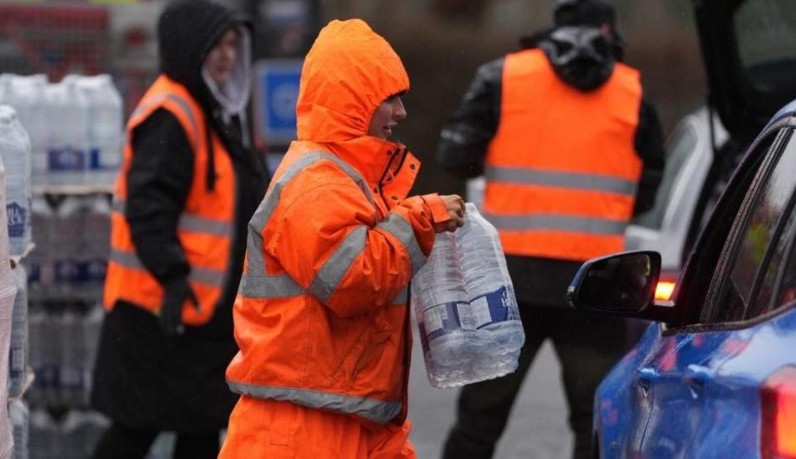
Regulator Ofwat has proposed a £22 million fine against South East Water after repeated supply failures left thousands of households without running water between 2020 and 2023.
The disruptions affected residents across Kent and Sussex, with customers reporting days without basic services such as drinking water, showers, or flushing toilets.
The regulator says the company failed to maintain a reliable system capable of coping with extreme weather and spikes in demand, causing what it described as “immense stress and anxiety” for customers.
The proposed penalty is one of the largest enforcement actions taken against a UK water company in recent years.
Why is South East Water being fined?
Ofwat launched an investigation after several large-scale supply failures across South East England.
According to the regulator, the company did not properly maintain or upgrade its infrastructure, leaving the network vulnerable during heatwaves and high consumption periods.
Ofwat said in its findings: “Company failures left it unable to cope during periods of high demand or extreme weather.”
As a result, thousands of households temporarily lost access to water, one of the most basic public services. Regulators concluded that South East Water breached its legal duty to provide a reliable supply to customers.
What supply problems did residents experience?
Customers reported a wide range of disruptions during the incidents.
Common problems included:
- No running tap water for hours or days
- Inability to shower or bathe
- Toilets that could not be flushed
- Limited access to emergency bottled water
Many residents also struggled during heatwaves, when water demand naturally increases. Local community groups in Kent described queues forming at emergency water stations while households waited for deliveries.
When did the South East Water failures happen?
The regulator’s investigation covered multiple incidents between 2020 and 2023.
| Year | Key Issues Reported | Impact |
|---|---|---|
| 2020 | Early supply interruptions during demand spikes | Short-term local outages |
| 2021 | Infrastructure strain during summer demand | Thousands affected |
| 2022 | Heatwave-related supply disruptions | Major outages in Kent |
| 2023 | Continued resilience concerns | Regulatory investigation launched |
The 2022 UK heatwave was particularly challenging, with some areas experiencing severe water shortages during peak demand.
What did Ofwat say about the failures?
Ofwat said the company did not prepare its network adequately for foreseeable risks, including hotter summers and population growth in the region.
The regulator stated customers experienced “immense stress and anxiety” as outages disrupted everyday life.
Officials also criticised the company for slow recovery times and poor contingency planning. The proposed £22m fine aims to hold the company accountable and push water providers to improve network resilience.
What has South East Water said in response?
South East Water has acknowledged the issues and said it is working to improve its infrastructure and emergency response systems.
Water companies often respond to regulatory penalties by increasing investment in:
- pipeline upgrades
- storage reservoirs
- drought planning
- leak reduction programmes
The company may also challenge or negotiate the final penalty amount before it becomes official.
Why is water resilience becoming a major UK issue?
Across England, water networks face increasing pressure due to several factors:
- Climate change, which brings longer heatwaves and drought conditions
- Population growth in the South East
- Ageing pipe networks
- Rising demand during the summer months
The South East of England already ranks among the most water-stressed regions in the UK. Regulators have warned that major infrastructure upgrades will be needed over the next decade to prevent similar failures.