


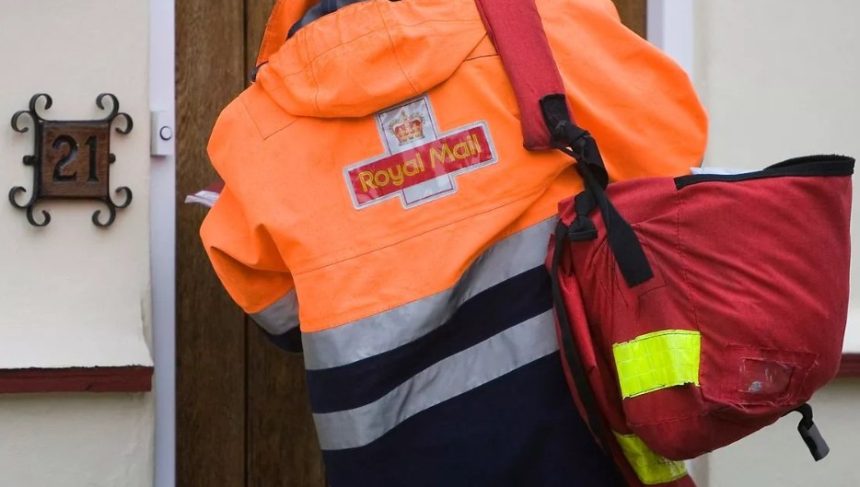
The Royal Mail is currently navigating the most turbulent operational period in its 500-year history. On Thursday, 26 March 2026, a high-stakes session of the Business and Trade Committee revealed that chronic delivery delays are no longer just a logistical hiccup but are now “badly affecting our national life.”
Lawmakers have described a “national institution in meltdown” as official data confirms millions of first-class letters are failing to reach UK doorsteps on time.
From missed NHS cancer screenings to delayed legal court summons, the consequences of the backlog are reaching every corner of British society.
As the billionaire owner Daniel Křetínský (Chairman of EP Group) faced a forensic grilling by MPs, the central question remains: can the UK’s universal postal service survive in its current form?
Why Is Your Post Arriving Late?
The core of the issue lies in a staggering drop in performance metrics. Between late 2025 and the first quarter of 2026, only 77.5% of first-class mail was delivered within the one-working-day target.
This falls dangerously short of the regulatory requirements, which have historically led to significant financial penalties.
This isn’t the first time the company has faced scrutiny; previously, the Royal Mail was fined £21m by Ofcom for failing to meet its delivery targets, and current figures suggest another record fine could be looming.
Liam Byrne MP, Chair of the Committee, highlighted that these statistics represent a human crisis. Approximately 126 million letters were delayed in the last reporting period alone.
The ‘Pyramid’ of Delivery: Are Parcels Being Prioritised?
One of the most explosive claims discussed in Parliament involves how mail is sorted at local delivery offices.
Martin Walsh, Deputy General Secretary of the Communication Workers Union (CWU), testified that postal workers are often pressured into a “pyramid order” of delivery:
- Top Priority: Special Delivery and high-margin tracked parcels.
- Mid-Priority: Standard parcels.
- Bottom Priority: Social and business letters, including vital NHS correspondence.
While Daniel Křetínský “categorically” denied any management decision to prioritise parcels, he admitted to “regretting every late letter.”
However, frontline workers maintain that the “culture of parcels first” is an unspoken rule to protect the company’s competitive edge against rivals like DPD and Amazon.
Which UK Towns and Cities are Currently Worst Affected?
The “postcode lottery” of delivery reliability has become more pronounced in 2026. While some urban hubs remain functional, specific “blackspots” have emerged where residents report going up to five days without a single delivery.
In an effort to modernise and streamline operations during this crisis, the company has experimented with new technology, including when Royal Mail launched 3,500 solar-powered postboxes to improve tracking and environmental efficiency.
However, critics argue that high-tech infrastructure does little to solve the core problem: a lack of staff on the ground to put letters through doors.
- South West England (Bristol & Gloucester): Significant backlogs due to staffing shortages at major regional distribution centres.
- Scotland & Northern Ireland: Cross-border logistics have been hampered by a “recruitment crisis” in heavy-goods vehicle (HGV) drivers and sorting staff.
- London & South East: High staff turnover in high-cost-of-living areas has led to “delivery rotation,” where the post is delivered to certain streets every other day.
What Does the New Owner Say?
In a rare public appearance, Daniel Křetínský attempted to assuage the fears about the future of the service while defending the need for radical reform.
“I am deeply sorry for any letter that arrives late… but I cannot adhere to the sentence that quality of service is declining as the numbers just don’t evidence that at all,” Křetínský told the committee.
He argued that the Universal Service Obligation (USO), the law requiring Royal Mail to deliver to every UK address six days a week, is financially “unsustainable.” He is currently lobbying the UK Government and Ofcom to scrap Saturday second-class deliveries entirely.
In contrast, Alistair Cochrane, Royal Mail Chief Executive, admitted: “Our performance in letters is still not good enough,” though he denied the existence of a recruitment crisis, claiming the company still receives 15 applicants for every vacancy.
Is There a Recruitment Crisis?
A major point of contention is the stability of the workforce. The CWU informed MPs that 50% of new postal workers leave within their first year.
- Low Pay: Many workers are earning little more than the National Living Wage while being asked to walk up to 12 miles a day in all weathers.
- Burnout: Increased parcel volumes have made “rounds” physically impossible to complete within allotted times.
- Retention: While management claims staff stay for an average of 16 years, the union argues this figure is skewed by long-serving veterans, while the “new generation” of posties is walking away in record numbers.
How Are NHS Appointments and Small Businesses Impacted?
The delay is not a victimless crime. The Committee heard harrowing evidence of the real-world impact on UK citizens:
- Missed Medical Care: Patients are receiving hospital appointment letters days after the appointment was scheduled. Royal Mail’s new NHS barcode system, designed to fast-track these letters, has seen slow adoption by health boards.
- Legal Jeopardy: Court documents and legal notices are arriving late, leading to missed deadlines and, in extreme cases, default judgments against individuals.
- SME Struggles: Small businesses that rely on 1st Class post for invoicing and shipping are seeing their cash flows disrupted and customer trust eroded.
What Changes Are Coming Next? The Road to 2027
The landscape of British politics is set to change permanently over the next 12 months.
- Ofcom’s Final Decision: The regulator is expected to grant Royal Mail permission to move to a three-day delivery model for second-class mail by late 2026.
- Increased Fines: If performance does not hit the new 90% target, Royal Mail faces fines that could exceed £30 million.
- Automation Drive: Massive investment in automated sorting machines is planned to reduce reliance on human labour, though unions fear this will lead to further “deprioritisation” of the human-centric letter service.