


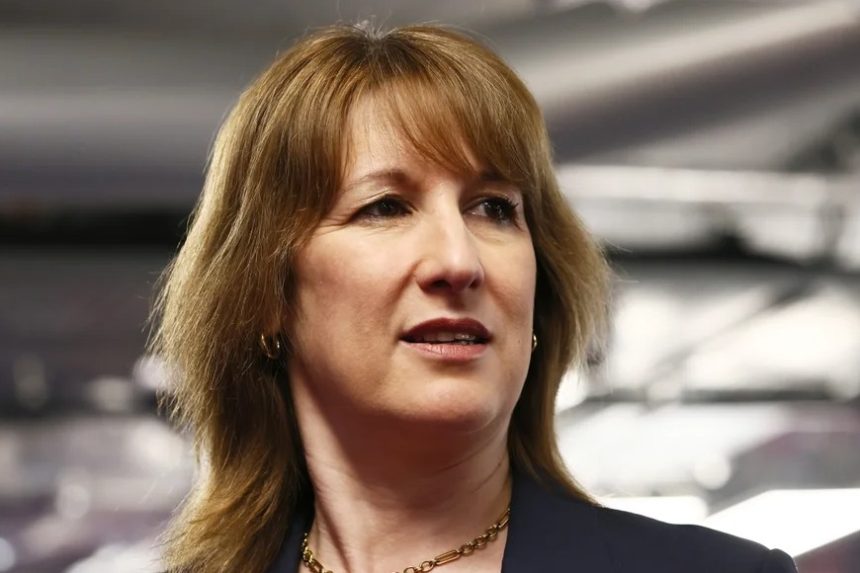
The Rachel Reeves Spring Statement will see the Chancellor tell MPs on Tuesday that Labour “has the right plan for Britain” and that the UK economy is now “stronger and more secure” under her leadership.
Delivering her statement in the House of Commons at around midday in Westminster, Ms. Reeves will point to falling inflation and lower interest rates as signs of progress, despite fresh economic downgrades and global market turbulence.
The statement comes as the UK faces downgraded growth forecasts from the Bank of England, political pressure from opposition parties, and fresh instability in global markets following conflict in Iran.
While no major tax changes are expected, small adjustments could still raise eyebrows.
What Is Rachel Reeves Expected to Announce in the Spring Statement?
The Chancellor of the Exchequer, Rachel Reeves, is not expected to introduce new taxes or major spending changes.
Ministers have repeatedly described this year’s Spring Statement as “low-key”, positioning it primarily as a response to updated economic forecasts from the Office for Budget Responsibility (OBR).
In extracts released ahead of her speech, Ms Reeves is expected to say: “This Government has the right economic plan for our country… in a world that has become yet more uncertain.”
She will also argue that decisions already taken have helped stabilise the economy, adding: “Because of the decisions we have already taken, we have a stronger and more secure economy.
Inflation and interest rates are falling. And in every part of Britain, working people are better off.”
However, Treasury insiders have hinted at possible “minor changes” to tax policy. While not headline-grabbing, such moves could attract criticism if seen as stealth tax increases.
How Strong Is the UK Economy Right Now?
The central claim of the Rachel Reeves Spring Statement is that the UK economy is improving. But the data present a mixed picture.
Bank of England Growth Forecasts
| Year | Previous GDP Forecast | Revised GDP Forecast |
|---|---|---|
| 2026 | 1.2% | 0.9% |
| 2027 | 1.6% | 1.5% |
The Bank of England downgraded its growth expectations just weeks ago, citing weaker productivity and global uncertainty.
At the same time:
- Inflation has fallen significantly from its 2022 peak
- Interest rates have started to ease
- Wage growth has outpaced inflation in recent months
For many households, that has translated into modest improvements in real income, though mortgage holders continue to feel pressure from higher borrowing costs compared to pre-2022 levels.
Why Are Global Events Affecting the Spring Statement?
Markets have reacted sharply to escalating tensions in Iran. Conflict in the region has pushed up oil prices after attacks on ships in the Strait of Hormuz, a critical global shipping route.
On Monday morning:
- The FTSE 100 opened lower
- The value of the British pound fell
- Oil prices surged
Higher oil prices can feed into UK inflation, especially through fuel and energy costs. That could complicate future interest rate decisions.
The Bank of England’s Monetary Policy Committee will now face fresh uncertainty when setting rates later this year.
What Are Opposition Parties Demanding?
Opposition parties have urged the Chancellor to go further. The Liberal Democrats have called on the Government to publish a full assessment of the UK-US pharmaceuticals agreement.
The deal prevents US tariffs on British-made drugs, but requires the UK to pay more for access to American medicines.
Liberal Democrat-commissioned polling suggests a majority of Britons would prefer the money to be spent directly on NHS care instead.
Meanwhile, small business groups warn that up to 400,000 UK firms could struggle if economic conditions worsen and government support does not improve.
Could Stealth Taxes Still Appear?
Although the Government insists no new “tax raids” will be announced, analysts say technical changes to thresholds or allowances can still increase the tax burden without altering headline rates.
For example:
- Freezing income tax thresholds raises revenue as wages rise
- Adjusting business relief schemes can affect SMEs
- Tweaks to capital gains or dividend allowances can impact investors
Such moves often attract the label “stealth tax” because they generate revenue quietly rather than through overt tax hikes.
How Will Markets React to the Rachel Reeves Spring Statement?
Markets will watch closely for signals on:
- Public borrowing projections
- Debt-to-GDP targets
- Infrastructure investment plans
- Fiscal rules
If investors believe the Government remains committed to fiscal discipline, gilt yields could remain stable. Any perception of fiscal slippage could weaken sterling further.
The statement may also be overshadowed by global events, particularly developments in the Middle East.