

Vladimir Putin’s ally has issued a chilling warning after US forces captured a Russian-flagged tanker, sparking fears of a potential escalation in international tensions.
The seizure of the Marinera, which had been fleeing a US blockade of Venezuelan oil tankers, has prompted threats of military and even nuclear action from Moscow.
British and American forces worked together to intercept the vessel, highlighting the strength of UK-US defence cooperation while raising questions about the risks of further confrontation at sea.
What Happened with the Russian Tanker?
A senior Russian politician has threatened a nuclear response after US forces captured a Russian-flagged tanker, the Marinera, following a two-week chase across the Atlantic.
Aleksey Zhuravlyov, first deputy head of Russia’s State Duma defence committee, described the seizure as “piracy” and “essentially the same as an attack on Russian territory.”
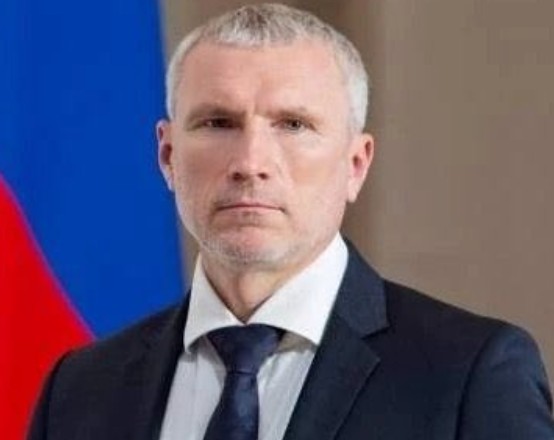
He added: “There is no doubt that we must respond firmly and swiftly, our military doctrine even envisages the use of nuclear weapons in response to such an attack.”
The tanker was intercepted approximately 120 miles off Iceland’s southern coast, with British support from the Royal Fleet Auxiliary ship Tideforce and RAF surveillance aircraft, echoing previous incidents where a Venezuelan tanker was tracked near Ireland amid a Russian escort.
US Secretary of War Pete Hegseth said, “We are an administration of action to advance our interests. And that is on full display.”
Why Did the US Seize the Vessel?
The Marinera had previously attempted to evade a US blockade of Venezuelan oil tankers, which began on 16 December 2025.
Western officials feared the tanker could have been transporting secret military cargo, potentially including missiles, to Venezuela.
Marinera Secured
U.S. forces seize Russian-flagged tanker Marinera in North Atlantic after pursuit—evaded sanctions on Iranian/Venezuelan oil via shadow fleet
No cargo aboard; Russia lost contact post-boarding
Enforces Trump-era crackdown amid global tensions pic.twitter.com/L6NpNKr8Jw
— 2 Foreigners In Bollywood (@2_F_I_B) January 8, 2026
During its flight, the crew renamed the vessel Bella 1, registered it in Russia’s ship database, and painted a Russian flag on the hull in an attempt to avoid capture. Despite this, American commandos boarded the vessel successfully.
What Role Did the UK Play?
The UK armed forces played a significant supporting role in the operation:
| UK Contribution | Details |
|---|---|
| Royal Fleet Auxiliary | Tideforce assisted in monitoring and interception |
| RAF Surveillance | Provided aerial support and reconnaissance |
| Official Praise | Defence Secretary John Healey called the operation “skillful and professional.” |
Mr Healey said the operation targeted a “Russian-Iranian axis of sanctions evasion which is fuelling terrorism, conflict, and misery from the Middle East to Ukraine.”
He also highlighted the importance of UK-US defence cooperation: “Today’s seamlessly executed operation shows just how well this works in practice.”
Could This Really Trigger a Nuclear Response?
While Mr Zhuravlyov mentioned nuclear options, most experts stress that Russia’s nuclear doctrine is highly conservative and unlikely to respond to a single tanker seizure.
Dr Helena Morris, senior fellow at Chatham House, told the BBC: “Threats like this are primarily political signalling. The real risk lies in miscalculation or escalation, rather than immediate nuclear action.”
The situation, however, has raised tensions in the Atlantic, with NATO allies monitoring the Russian fleet’s movements closely.
How Is This Affecting Global Energy and Security?
The capture is part of ongoing efforts to enforce international sanctions on Russia and its allies. Analysts warn that similar seizures could increase geopolitical risks for global shipping routes and energy supply chains.
For example, since the US blockade of Venezuelan oil began, over a dozen vessels have attempted to escape the country, creating uncertainty in the oil and gas markets, particularly in Europe.