


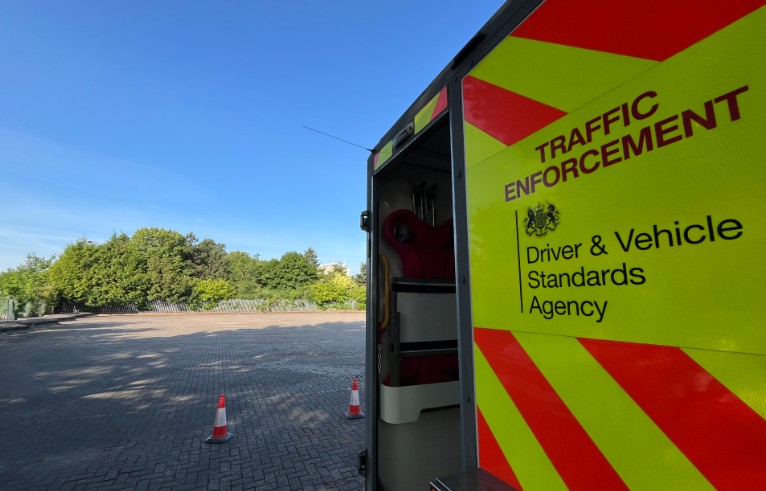
Major MOT testing rules will change across the UK from January 2026 after the Driver and Vehicle Standards Agency (DVSA) confirmed stricter disciplinary measures for MOT testers and garage operators.
The updates are expected to affect hundreds of authorised MOT testing sites and are aimed at improving integrity, safety and public trust in the MOT system.
The DVSA says the reforms close gaps that previously allowed some individuals to continue holding MOT-related roles despite serious breaches of conduct, strengthening confidence in how vehicles are assessed for both safety and compliance, including checks such as exhaust emission testing.
What Exactly Is Changing Under the New MOT Testing Rules?
From Friday, 9 January 2026, anyone placed under a two or five-year disciplinary cessation will be banned from all MOT roles for the full duration of that ban. This includes testers and authorised examiner principals (AEPs).

In simple terms, if a tester or garage boss is suspended for serious misconduct, they will no longer be allowed to remain involved in any part of the MOT system while that suspension is active.
The MOT testing guide will be updated on 9 January 2026 to formally reflect the new enforcement rules.
Who Will These Rules Apply To?
The updated mot testing rules will apply to individuals and businesses operating within the MOT framework, particularly where serious disciplinary action has been taken.
This includes:
- Single-site garages where the authorised examiner principal receives a two or five-year cessation
- Multi-site MOT operators where all sites are issued with a two or five-year cessation
- Individual MOT testers personally involved in serious rule breaches
The DVSA’s aim is to prevent suspended individuals from indirectly continuing MOT operations through technical loopholes.
What Types of Offences Can Trigger a Cessation?
A cessation is not issued for minor mistakes. The DVSA reserves this level of action for serious misconduct that undermines road safety and public confidence.
Offences include, but are not limited to:
- Fraud or deliberate dishonesty
- Gross negligence during vehicle testing
- Producing false or misleading documentation
- Providing inaccurate information to the DVSA or MOT training providers
The agency has made clear that personal involvement in any of these actions is enough to justify a full suspension.
How Does the MOT Penalty Points System Fit In?
MOT testers continue to operate under a penalty points system, where breaches accumulate over time. Once certain thresholds are reached, disciplinary action follows.
For the most serious offences, such as fraud or loss of good repute, testers can receive:
- Up to 500 penalty points, which can immediately lead to long-term cessation
This system remains unchanged, but the consequences of reaching a cessation threshold will now be much stricter.
What Has Changed Around ‘Good Repute’ and Criminal Convictions?
The DVSA has also tightened guidance around criminal convictions and reputational standards. Importantly, the rules now cover cases where a conviction has occurred, but sentencing has not yet been completed.
Under the updated guidance:
- A DBS certificate dated after the conviction must be submitted
- If sentencing is pending, a court extract (or Scottish extract decree) is required
- Once sentencing is complete, a new DBS certificate dated after sentencing must be provided
This ensures the DVSA can assess risk at every stage of the legal process.
Why Have Heavy Quadricycle MOT Rules Been Updated?
Earlier in 2025, the DVSA updated MOT testing guidance to clearly define heavy quadricycles, following confusion among some test stations.
A heavy quadricycle is now defined as a four-wheeled vehicle with specific weight, power and speed limits.
This clarification helps garages determine whether a vehicle falls within MOT testing requirements and prevents inconsistent decisions at test centres.
Has the Government Changed MOT Test Frequency?
Despite repeated calls to alter how often vehicles require an MOT, the Government has confirmed there will be no changes to MOT frequency.
While consultations were carried out in recent years, safety experts warned that extending MOT intervals could leave unsafe vehicles on UK roads for longer periods. Ministers have so far accepted that the risk outweighs potential cost savings.
Industry Reaction and Public Information
While individual tester responses vary, many within the motor trade see the updated mot testing rules as a firm message that standards will be enforced consistently.
For motorists, the changes should mean greater confidence that MOT certificates are being issued honestly and consistently.
For garages and testers, professionalism is no longer optional. The DVSA’s approach signals a tougher, more transparent MOT system designed to keep UK roads safer for everyone.