


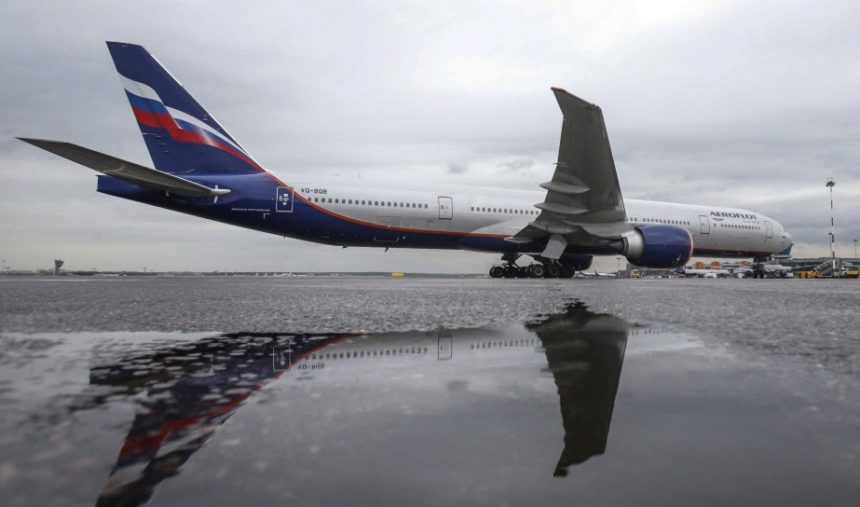
The first UK Government-chartered Middle East evacuation flight will depart Muscat, Oman, at 7pm on Wednesday, the Foreign Office has confirmed.
The emergency service comes after around 130,000 Britons registered their presence across the region amid escalating tensions and severe travel disruption.
Officials say they will prioritise vulnerable UK nationals and have warned people not to travel to the airport unless directly contacted.
The decision signals a rapid shift from monitoring the situation to actively extracting British nationals as commercial routes become increasingly unreliable.
Why is the UK launching a Middle East evacuation flight now?
The Foreign, Commonwealth and Development Office (FCDO) moved to charter aircraft after days of airspace closures, cancelled flights and security incidents across parts of the Middle East.
In updated travel advice issued on Wednesday, the FCDO said: “Escalation in the Middle East has caused widespread travel disruption, including airspace closures, delayed and cancelled flights. Your travel plans may be affected, even if your destination is not in the Middle East.”
Long-haul routes between Asia and Europe have already seen diversions and cancellations as airlines avoid affected airspace.
At sea, the UK Maritime Trade Operations (UKMTO) centre reported that a commercial vessel was struck by a projectile off the coast of Fujairah in the United Arab Emirates.
🚨 Chartered evacuation flight for stranded Brits will take off from Oman ‘in the coming days’ with 130,000 still stuck in Middle East! 🚨
The UK Foreign Office confirmed March 3, 2026, that a chartered evacuation flight will depart from Muscat, Oman, in the coming days to… pic.twitter.com/UbbERidobv
— The scoop stateside (@ScoopStateside) March 3, 2026
The strike damaged the ship’s steel plating but caused no fire or injuries, and all crew were reported safe. While details remain limited, the incident has heightened concerns about regional stability.
Who can board the evacuation flight from Oman?
The FCDO confirmed that the first Middle East evacuation flight will be available to:
- British nationals currently in Oman
- Their partners
- Children under 18
- Those holding valid travel documents
Priority will go to the most vulnerable, including families and those with medical needs. Officials also said British nationals who previously registered their presence in the UAE but have since travelled to Oman may apply for seats.
However, the department made clear that non-British dependants must hold a valid UK visa or permission to enter or remain in the UK for more than three months.
Crucially, the Foreign Office has stressed that people must not travel to Muscat International Airport unless directly contacted. Turning up without confirmation could cause disruption and delay processing for those allocated seats.
How many Britons are affected across the region?
Around 130,000 British nationals have registered their presence across the Middle East in recent days, according to Government figures released this week.
The UAE, a major holiday and business destination for UK travellers, is believed to account for a significant share of those registrations.
Dubai and Abu Dhabi remain key transit hubs for flights between the UK, Asia and Australia, meaning disruption there has wider consequences.
The FCDO said it is working with airlines to arrange additional routes in the coming days and weeks if needed, though no firm schedule has been announced beyond the Muscat departure.
Could the crisis affect flights to and from the UK?
Yes. Even travellers not heading to the Middle East could feel the impact. Airlines frequently reroute aircraft to avoid closed airspace, which can lead to longer journey times, delays and last-minute cancellations.
Popular routes between the UK and Thailand, and between Singapore and Australia, often pass near the affected corridors.
In an unusual move, the FCDO updated its travel advice for Thailand on Wednesday, citing knock-on disruption caused by the escalation in the Middle East. That underlines how interconnected global aviation routes are.
Aviation analysts say that when major Gulf hubs experience disruption, ripple effects can spread quickly across European and Asian networks within 24 to 48 hours.
What should British nationals in the Middle East do now?
The Foreign Office advises British nationals to:
- Register their presence with the FCDO online
- Monitor official travel advice regularly
- Wait for direct contact before heading to any evacuation departure point
- Ensure passports and visas are valid
Officials have also urged travellers to avoid relying on social media rumours and instead check verified Government updates.