


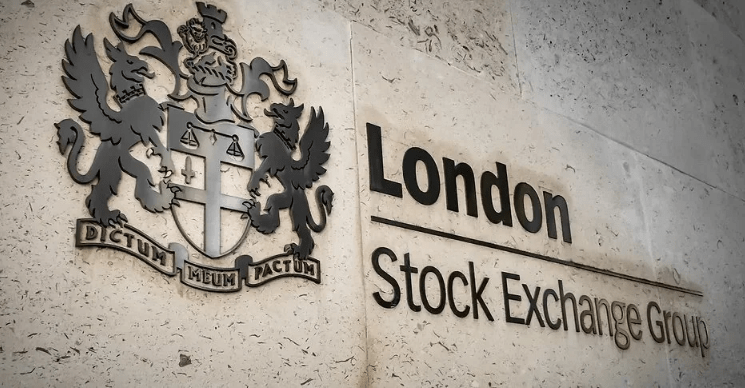
The FTSE 100 is on the back foot once more this morning, with the UK stock market expected to open lower following a weak showing on Wall Street.
After closing down 0.2% yesterday at 9702.53, early forecasts suggest the London Stock Exchange’s blue-chip index will shed another 0.2% when trading begins.
Overnight moves in the US offered little comfort. The Dow Jones dropped 0.9%, the S&P 500 lost 0.5%, and the Nasdaq Composite slipped 0.4%, pulling global risk sentiment down with it.
In the commodities space, Brent Crude is holding at $62.50 a barrel, while gold stands at $4222 an ounce, levels that hint at rising caution among investors.
Meanwhile, the Bitcoin price has sustained at £86,952, giving crypto dealers a rare moment of calm after recent swings.
UK House Price Growth Slows
The UK casing request is showing signs of easing, with Nationwide reporting that periodic house price growth slipped from 2.4% to 1.8% in November.
Despite this retardation, prices still nudged 0.3% higher month-on-month, keeping the average UK home at £272,998.
Nationwide’s chief economist, Robert Gardner, said: “The housing market has remained fairly stable in recent months, with house prices rising at a modest pace and the number of mortgages approved for house purchase maintained at similar levels to those prevailing before the pandemic.
Against a backdrop of subdued consumer confidence and signs of weakening in the labour market, this performance indicates resilience, especially since mortgage rates are more than double the level they were before Covid struck and house prices are close to all-time highs.”
For everyday buyers, this means the UK property market isn’t cooling as fast as some might hope, especially with mortgage rates still far above pre-pandemic levels.
Shop Price Inflation Cools as Retailers Push Early Discounts
Shoppers saw a bit more relief in November as shop price inflation eased again. Data from the British Retail Consortium (BRC) and NIQ shows prices rising 0.6% times on time, a drop from 1% the month before. Food inflation also continued to fall, slipping from 3.7% to 3%.
BRC chief executive Helen Dickinson said: “Black Friday deals began earlier than normal as competition between retailers hit fever pitch.
With Budget uncertainty behind us, retailers are hoping that consumer confidence rebounds in this crucial trading period and they will continue doing everything they can to keep prices down and help customers’ money go further this Christmas.”
With household budgets still tight, early festive discounts could play a big role in boosting Christmas spending across UK high streets.
Market Outlook
For now, the FTSE 100 indicator remains under pressure, weighed down by global query, conservative investors and a mixed profitable background.
Factors similar to energy prices, consumer spending, interest rates and broader UK economic conditions will shape how the request behaves in the days ahead.
Still, with inflation easing in shops, house prices holding steady, and Bitcoin showing some stability, there are at least a few glimmers of calm for traders keeping a close eye on the UK markets.