


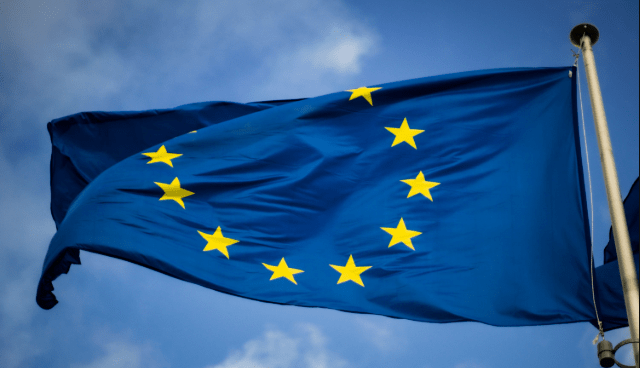
European Union leaders have agreed on a €90 billion (£79bn) EU loan to Ukraine, offering Kyiv critical financial support for the next two years after failing to reach consensus on using frozen Russian assets.
The deal was struck following more than a day of intense negotiations at a Brussels summit and is being presented by EU officials as a show of unity at a time when Ukraine is facing an acute funding crisis and growing uncertainty over the future direction of the war.
What exactly has the EU agreed to give Ukraine?
The agreement centres on a €90bn loan package, backed by the EU’s shared budget and raised through collective borrowing. EU leaders say the money will support both Ukraine’s military spending and its day-to-day economic needs through to 2027.
European Council President Antonio Costa announced the deal publicly, saying the bloc had delivered on its commitments.
Writing on X, he said: “We committed, we delivered.” — Antonio Costa, President of the European Council
We have a deal.
Decision to provide 90 billion euros of support to Ukraine for 2026-27 approved.
We committed, we delivered.
— António Costa (@eucopresident) December 19, 2025
According to EU estimates, Ukraine will require around €135bn in external funding over the next two years, with a severe cash shortage expected to begin as early as April next year.
The new EU loan is designed to prevent the Ukrainian state from running out of money during that period.
Why were frozen Russian assets not used?
Despite strong lobbying from Kyiv, the EU failed to agree on using approximately €200bn of frozen Russian central bank assets, most of which are held in Belgium.
Belgium and several other member states warned that confiscating the assets outright could expose governments to serious legal and financial risks, including potential claims from Russia in international courts.
There were also concerns that such a move could undermine Europe’s reputation as a secure place to hold foreign reserves.
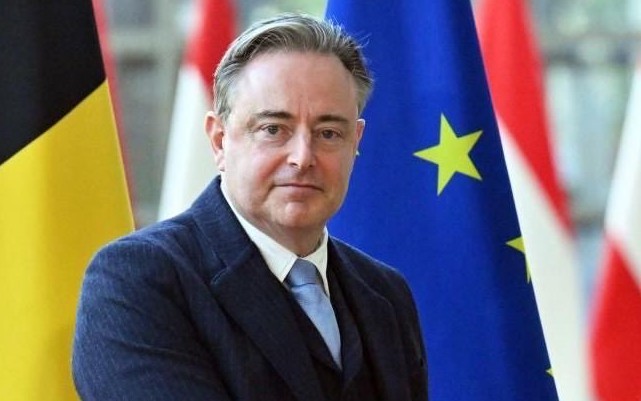
Belgian Prime Minister Bart De Wever said the loan option avoided internal conflict within the bloc: “We avoided chaos and division. We remained united.” — Bart De Wever, Belgian Prime Minister
German Chancellor Friedrich Merz, who had supported using Russian assets, said the compromise still carried political weight, adding that it sent a “clear signal” to Moscow.
How serious is Ukraine’s financial position?
Ukraine’s situation is increasingly fragile. President Volodymyr Zelensky has warned that without fresh funding in the coming months, the country will be forced to scale back key defence production.
Speaking after the summit, he said: “Without support by spring, we would have to reduce production of drones.” — Volodymyr Zelensky, President of Ukraine
The financial pressure on Kyiv is intensifying as rebuilding costs rise alongside continued fighting, with Europe already moving on long-term recovery through a commission to compensate Ukraine war damage, running in parallel with emergency funding such as the new EU loan.
With tax revenues weakened by the war and military spending remaining high, Kyiv is heavily dependent on external support to keep the state functioning.
EU officials privately acknowledge that without this loan, Ukraine would struggle to pay salaries, pensions and defence suppliers.
How does this EU loan compare with earlier support?
Since Russia’s full-scale invasion began in 2022, the EU has already provided around €85bn in financial assistance to Ukraine.
The newly agreed €90bn loan effectively matches that total, making it one of the largest single commitments the bloc has made since the war began.
| Support Source | Amount | Timeframe |
|---|---|---|
| EU macro-financial aid (previous rounds) | ~€85bn | 2022–2024 |
| New EU loan to Ukraine | €90bn | 2025–2027 |
| Estimated future need | €135bn | Next 2 years |
Ukraine can continue to count on our support in its fight for our common European values. After an intensive meeting, we agreed on an EU loan to Ukraine for the next two years. #EUCO pic.twitter.com/EkpvkdV4uS
— Luc Frieden (@LucFrieden) December 19, 2025
Even with this support, EU officials accept that further funding discussions will be unavoidable if the conflict continues beyond 2027.
What is happening diplomatically alongside this deal?
The loan agreement comes amid renewed diplomatic activity involving the United States and Russia. US and Russian officials are expected to meet in Miami this weekend, while Ukrainian and US delegations are holding talks in Washington.
President Zelensky has said Ukraine is seeking clearer assurances from Washington about long-term security guarantees, aimed at preventing any future Russian invasion if a ceasefire or peace deal is reached.
US President Donald Trump has also renewed calls for a rapid end to the war, adding to the pressure on European leaders to stabilise Ukraine financially.
Why does this matter to the UK?
Although the UK is no longer an EU member, it remains deeply invested in Ukraine’s survival. A financially stable Ukraine reduces the risk of wider conflict spilling into Europe, something that would have direct consequences for UK security, energy prices and defence spending.
The agreement also signals that European allies are willing to shoulder more responsibility at a time when future US support is less certain.
The EU has agreed to a €90 billion loan to Ukraine to cover its military and economic needs over the next two years.
The funding will be raised through collective EU borrowing rather than by seizing frozen Russian assets, which remains a legally contentious issue.
While the deal avoids internal EU division, it highlights the scale of Ukraine’s ongoing financial dependence as the war drags on.
For people in the UK, the decision supports European stability without directly increasing UK taxes.
By helping Ukraine stay financially afloat, the EU aims to limit further economic and security shocks that could otherwise drive up energy costs, inflation and defence pressures closer to home.