


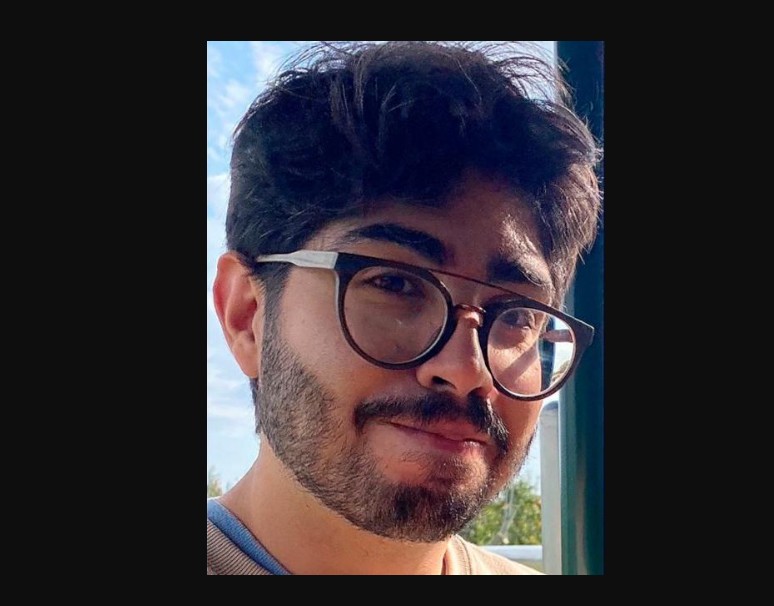
A man accused of carrying out the deadly DC embassy shooting that killed two Israeli Embassy staff members in Washington, D.C., has now been charged with a wide range of terrorism-related offences.
US prosecutors say the attack was planned, politically motivated, and intended to frighten the Jewish community and diplomatic workers.
The suspect, Elias Rodriguez, 31, from Chicago, now faces a new federal indictment containing more charges than previously filed.
Authorities say the case has escalated because evidence suggests the shooting was not only an act of violence, but also an act of terrorism.
What happened during the DC embassy shooting?
The DC embassy shooting took place on 21 May 2025 outside the Capital Jewish Museum in Washington, D.C., during an event attended by diplomats and members of the Jewish community.
🚨 Breaking: Two Israeli Embassy staffers were fatally shot outside the Jewish Museum in Washington D.C.
Footage shows the suspect, identified as Elias Rodriguez of Chicago, being taken into custody.
He shouted “Free Palestine” after his arrest.Meanwhile, Israel has shot… pic.twitter.com/5XKJZLL2fr
— Truth Troll Official™️ (@truthtroll_X) May 22, 2025
Court documents claim Rodriguez approached two Israeli Embassy staff members, Yaron Lischinsky, 30, and Sarah Milgrim, 26, as they were leaving a diplomatic reception.
Prosecutors allege he fired around 20 shots using a semi-automatic handgun, killing both victims. Two other embassy workers were reportedly injured but survived.
Witnesses also claim Rodriguez shouted political slogans, including “Free Palestine”, during or shortly after the shooting.
Who is Elias Rodriguez, and what charges is he facing now?
Elias Rodriguez is a Chicago resident accused of carrying out what prosecutors call a targeted ambush.
He originally faced several serious charges, including:
- Murder of a foreign official
- Federal hate crime resulting in death
- Firearms-related murder offences
- Premeditated murder while armed
- Assault with intent to kill
However, US prosecutors have now filed a 13-count superseding indictment, adding new terrorism-related charges.
Today, terrorism-related charges were added in the indictment of Elias Rodriguez for the Capital Jewish Museum shooting on May 21, 2025 which left two Israeli Embassy staff members dead.
These new violations along with the murder and hate crime offenses Rodriguez already faces… pic.twitter.com/JKaQiXUpeU
— U.S. Attorney DC (@USAO_DC) February 4, 2026
These additional charges reportedly include:
- Acts of terrorism while armed
- Additional counts of first-degree murder
- Additional counts of assault with intent to kill
Several of these charges could lead to a mandatory life sentence or even the death penalty, depending on how the case proceeds.
Why did prosecutors add terrorism charges to the case?
US investigators say they added terrorism charges because they believe the attack was designed to send a political message and intimidate a wider group of people.
Officials argue that the suspect did not act randomly. Instead, they claim he chose his location and targets because of their connection to Israel and the Jewish community.
Authorities also allege that Rodriguez later claimed responsibility and made statements linking the attack to the war in Gaza.
Prosecutors say the aim was to create fear, which is a key factor in terrorism-related offences under US law.
Did investigators find evidence of planning or a manifesto?
Officials claim they recovered evidence suggesting Rodriguez prepared for the attack.
Investigators allege he wrote and published a manifesto after the killings. Authorities believe the document attempted to justify the violence and encourage others to commit similar politically motivated attacks.
The FBI described this alleged manifesto as a serious part of the case, arguing it shows ideological intent rather than a spontaneous act.
If prosecutors prove the manifesto existed and was distributed, it may strengthen the argument that the crime qualifies as terrorism rather than only murder or hate crime.
What did officials say about the DC embassy shooting?
US officials have described the shooting as a deliberate act of terror. One senior law enforcement official said the attack appeared designed to terrorise the Jewish community and cause fear beyond the immediate victims.
A senior prosecutor also stated their office would not stop until the suspect is held fully accountable for what they called a targeted and horrific act.
“This was a calculated act meant to terrorise,” an official said during the legal process.
The FBI also warned that political violence can spread quickly when attackers try to inspire others through propaganda-style statements.
Why does the DC embassy shooting matter to UK readers?
Even though the incident happened in the United States, the DC embassy shooting matters in the UK for several key reasons.
1. UK Jewish communities may feel increased fear
Whenever violence targets Jewish institutions abroad, communities in the UK often report a rise in anxiety, especially around public events, synagogues, and cultural centres.
2. Security at diplomatic events is a global concern
The UK hosts many embassies and diplomatic gatherings. Events involving international conflicts can raise risk levels, even far from the original warzone.
3. The UK has also seen rising hate crime concerns
The UK has experienced growing political tension linked to international conflicts, including protests and hate incidents affecting both Jewish and Muslim communities.
This case highlights how quickly overseas political disputes can fuel violence in Western cities.
How does US terrorism law compare with UK law?
The US and UK both prosecute terrorism, but the legal systems differ.
In the UK, terrorism offences usually focus on whether violence is used to influence government or intimidate the public for political or ideological reasons.
British law also places strong emphasis on:
- Encouraging terrorism
- Preparing terrorist acts
- Spreading extremist material
If a similar case happened in Britain, prosecutors could use laws under the Terrorism Act, as well as hate crime and murder charges.