


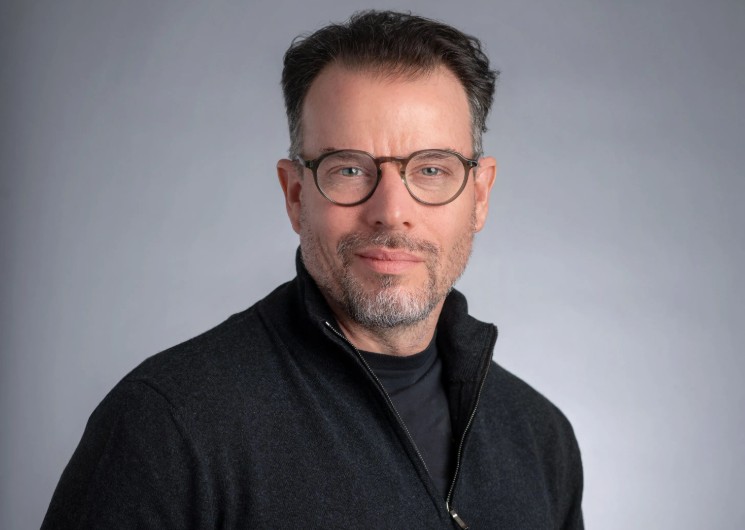
Chris Rokos, one of Britain’s most influential hedge fund traders, paid himself £477 million last year after his London-based hedge fund delivered exceptional returns during a period of extreme market turbulence.
The figure, disclosed in UK Companies House accounts for the year ending March 2025, ranks among the largest individual payouts ever recorded in the UK hedge fund industry and reflects a sharp rebound in fortunes for Rokos Capital Management.
Who is Chris Rokos, and why is his payout significant?
Chris Rokos is a veteran macro trader and a co-founder of Brevan Howard, one of the world’s largest hedge fund groups.
After leaving Brevan Howard, he launched Rokos Capital Management, where he remains the founder, majority owner and central decision-maker.
What makes this payout notable is not just its size, but the structure of the firm. Unlike many large hedge funds that spread risk across several senior portfolio managers, Rokos Capital operates with a highly centralised model.
Rokos himself makes the most important trading decisions, supported by analysts and senior investment staff known internally as investment officers.
This approach means the fund’s success, or failure, is closely tied to his judgement, and so are the rewards.
How much did Chris Rokos take home?
The accounts show that £477m was paid to the firm’s highest-paid partner during the year, the second-largest payout in the firm’s history. The record remains £509m, paid in 2021.
Although the documents do not name the recipient, industry consensus is clear. As the firm’s founder, majority owner and main risk-taker, the payment is widely understood to have gone to Chris Rokos.
The same filings reveal that the pool of profits available to partners reached a record £940m, while revenues surged from £445m to £1.2bn in just one year. Rokos Capital Management declined to comment on the figures.
How did Rokos Capital perform so strongly in 2024?
The standout performance came during a year marked by sharp swings in global markets.
Inflation concerns, changing interest rate expectations and volatile commodity prices created ideal conditions for macro hedge funds, which profit by making large bets on economic trends.
Rokos Capital returned 31 per cent in 2024, a result that fed directly into the profits reported in the latest accounts.
In its lowest-fee share class, the fund was up around 21 per cent, according to people familiar with the numbers. This followed a return of 8.8 per cent the year before.
Market participants describe 2024 as the best year for macro hedge funds since the aftermath of the global financial crisis in 2009.
Has the fund fully recovered from past losses?
The recent success represents a dramatic turnaround from just a few years earlier. In 2021, Rokos Capital suffered losses of roughly 25 per cent, one of the worst performances among its peers at the time.
Since then, results have improved sharply. The fund gained around 51 per cent in 2022 and has delivered positive returns every year since.
For supporters of Rokos’s approach, the recovery underlines the benefits of a long-term macro strategy, even after periods of severe underperformance.
How does this compare with other hedge funds?
Rokos Capital was not alone in benefiting from turbulent markets. Other well-known macro hedge funds, including Caxton and Graham Capital, also reported strong performance, helped by successful trades linked to copper, gold and a weakening US dollar.
By contrast, Rokos’s former firm, Brevan Howard, had a more subdued year. Its flagship Master fund posted only modest gains, while its Alpha Strategies fund achieved stronger but still relatively restrained returns compared with the industry’s top performers.
What does this say about hedge fund pay in the UK?
Payouts on this scale are rare, even in global finance, but they reflect how hedge funds are structured. Founders who retain ownership and take the bulk of investment risk also receive a large share of the profits when bets pay off.
In the UK, such figures inevitably fuel debate. Supporters argue that high rewards are justified by high risk and exceptional performance.
Critics see them as another example of how financial success at the top can feel detached from everyday economic pressures facing households across the country.