


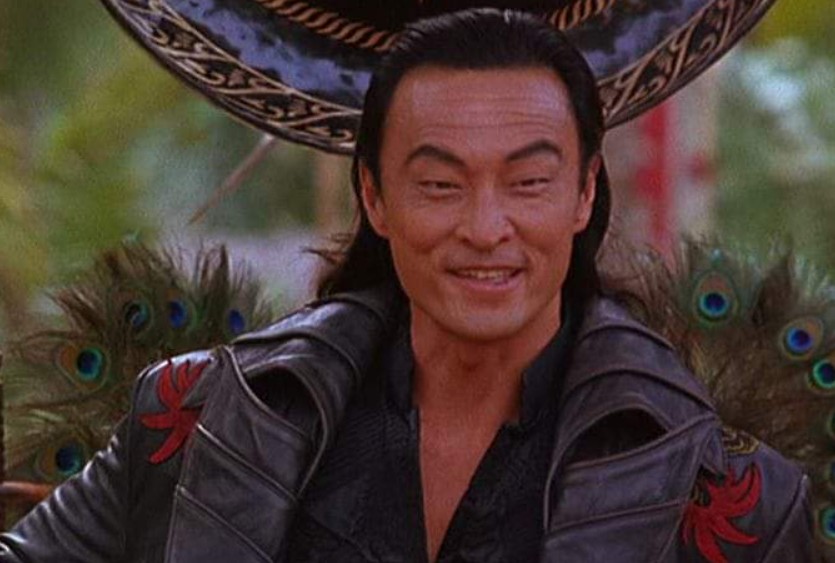
Cary- Hiroyuki Tagawa, the Tokyo-born actor celebrated for his roles in Mortal Kombat and The Man in the High Castle, has died at the age of 75.
Tagawa passed away in Santa Barbara, girdled by his family, from complications following a stroke, his director, Margie Weiner, verified.
“Cary was a rare soul: generous, thoughtful, and endlessly committed to his craft,” Weiner said. “His loss is immeasurable. My heart is with his family, friends, and all who loved him.”
Known for his commanding presence on screen, Tagawa was inversely admired off it, earning respect as one of Hollywood’s most recognisable Asian actors.
Cary-Hiroyuki Tagawa’s Rise in Hollywood
Tagawa’s journey to the silver screen was far from conventional.
He appeared in Bernardo Bertolucci’s Oscar-winning The Last Emperor in 1987, marking the launch of a fat career that would include blockbusters such as Pearl Harbor, Planet of the Hams, and License to Kill.
Born in Tokyo, he spent a significant portion of his early life in the U.S. South while his Hawaii-born father served on Army bases.
He also lived in Honolulu and on the island of Kauai. His father met his mother, Ayako, while stationed in Japan. As Tagawa once told Honolulu Magazine, he was named after Cary Grant, while his brother took the name of Gregory Peck.
We lost a legend today. Cary-Hiroyuki Tagawa @CHTOfficial played Shang Tsung in the 1995 Mortal Kombat film and sadly passed away at age 75. We had the privilege of his portrayal on the first MK film but also as an amazing voice actor in the Mortal Kombat 11 game.
Cary was one… pic.twitter.com/iAnTc0odGH
— Ed Boon (@noobde) December 5, 2025
His mother, a former stage actress, had discouraged him from pursuing acting due to the limited roles for Asian performers. Tagawa, however, went on to prove the odds wrong. Before Hollywood, he worked in various jobs, including celery farmer, limo driver, pizza supply truck driver, and photojournalist. He finally embarked on acting at 36.
Reflecting on the state of Asian representation in Hollywood in 2005, he commented: “The good news for Asian actors and Hollywood is that it’s better than it’s ever been, but the bad news is that it hasn’t changed that much. The opportunities haven’t increased that much, but commercially there’s more exposure.”
Iconic Roles and Cultural Impact
Tagawa is maybe stylishly flashed back for his part as Shang Tsung in Mortal Kombat, a part that cemented him as a martial arts icon in Hollywood.
He also appeared as the Baron in the 2005 adaptation of Biographies of a Geisha, describing a youthful girl’s rise from poverty to high society in Japan.
While some critics questioned the film’s authenticity, Tagawa defended it, saying, “What did they expect? It wasn’t a documentary. Unless the Japanese did the movie, it’s all interpretation.”
Beyond acting, Tagawa trained considerably in martial arts and developed his own system called Ninjah Sportz, blending combat ways with fitness and remedial practices.
His moxie attracted professional athletes, including World Boxing Council light cruiserweight champion Brian Viloria, and he indeed advised the University of Hawaii football team.
Legacy of Cary-Hiroyuki Tagawa
Tagawa’s life was not without controversy. In 2008, he pleaded guilty to a petty misdemeanor for draining a gal in Honolulu, which involved minor injuries. His counsel verified he accepted full responsibility without making defenses.
Despite this, Tagawa leaves behind an enduring heritage. From breaking walls for Asian actors in Hollywood to iconic places in martial arts flicks, he remains an inspiration for aspiring players across the globe.
Whether flashed back for his on-screen illness, his benefactions to martial trades, or his pioneering presence as an Asian actor in Western cinema, Cary-Hiroyuki Tagawa’s impact will be felt for generations.