

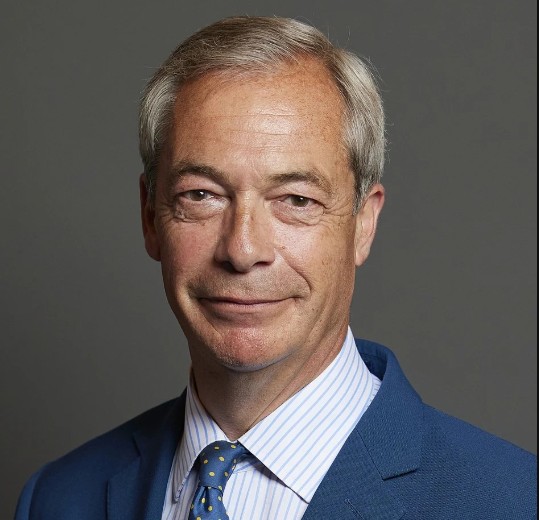
Reform UK leader Nigel Farage has resigned as the Member of Parliament for Clacton-on-Sea, triggering an immediate by-election.
Farage, currently under investigation by the Parliamentary Commissioner for Standards over undeclared financial gifts, claims the contest is a people versus the establishment referendum on his integrity.
- The Catalyst: Farage faces a dual investigation regarding a £5 million gift from crypto-billionaire Christopher Harborne and alleged financial support from convicted fraudster George Cottrell.
- The Strategy: By resigning as an MP, Farage effectively pauses ongoing parliamentary inquiries, attempting to bypass potential suspension by seeking a fresh mandate from voters.
- The Political Response: Major opposition parties, including Labour and the Conservatives, have labelled the move a desperate stunt and a circus, with some indicating they may boycott the by-election entirely.
Why Has the Reform UK Leader Resigned?
Nigel Farage’s resignation is a tactical maneuver to control the narrative surrounding his financial declarations.
Under the Code of Conduct for British MPs, new members are required to register significant financial interests and gifts received in the 12 months before their election within one month of taking office.
Farage is currently the subject of a formal probe by the Parliamentary Commissioner for Standards, Daniel Greenberg, regarding a £5 million gift from Christopher Harborne.
A second investigation has reportedly been opened regarding financial support and accommodation provided by his close associate, George Cottrell.
By vacating his seat, Farage removes himself from the immediate jurisdiction of the Commons Standards Committee, as their powers to investigate are primarily focused on sitting Members of Parliament.
What Are the Implications for the Clacton Constituency?
The resignation leaves the residents of Clacton-on-Sea without parliamentary representation until the by-election concludes, potentially delaying local casework and advocacy efforts.
- Financial Impact: While Reform UK has pledged to fund the election, a typical UK by-election carries an administrative cost to the taxpayer that can exceed £250,000.
- Democratic Precedent: Critics argue that this move denies voters the chance to see the findings of the standards investigation before they head to the polls.
- Tactical Voting: In the 2024 general election, Farage secured a majority of 8,400. The upcoming vote will test whether this support holds in the face of widespread accusations of sleaze from rival parties.
How Does This Affect the National Political Landscape?
The timing of this by-election is particularly sensitive as the UK prepares for a leadership transition; outgoing Prime Minister Keir Starmer is set to be succeeded by Andy Burnham on 20 July 2026.
Farage’s people versus the establishment framing is intended to neutralise the investigation, but it has sparked a fierce debate over whether a politician should use an election to outrun regulatory scrutiny.
🚨 BREAKING: Nigel Farage has resigned as an MP to trigger a by-election in Clacton
“This will be a people vs the establishment by-election. A chance to stick two fingers up to the entire establishment” pic.twitter.com/oMNHR9pFNZ
— Politics UK (@PolitlcsUK) July 7, 2026
Key Quotes & Official Responses
“I’ve decided that the people of Clacton should be the judges of my actions. This will be a people versus the establishment by-election.” Nigel Farage
“A desperate stunt from a man up to his neck in sleaze.” Keir Starmer (Outgoing Prime Minister)
“There should be a by-election if the investigation finds him guilty.” Kemi Badenoch (Conservative Party Leader)
What Happens to the Financial Investigation Now?
The Parliamentary Commissioner’s investigation is currently paused. However, according to the Commons Standards Committee procedural protocols, the inquiry can be reactivated if Farage is re-elected.
If he is not re-elected, the Commissioner retains the discretion to continue the investigation if it is deemed appropriate and proportionate.