

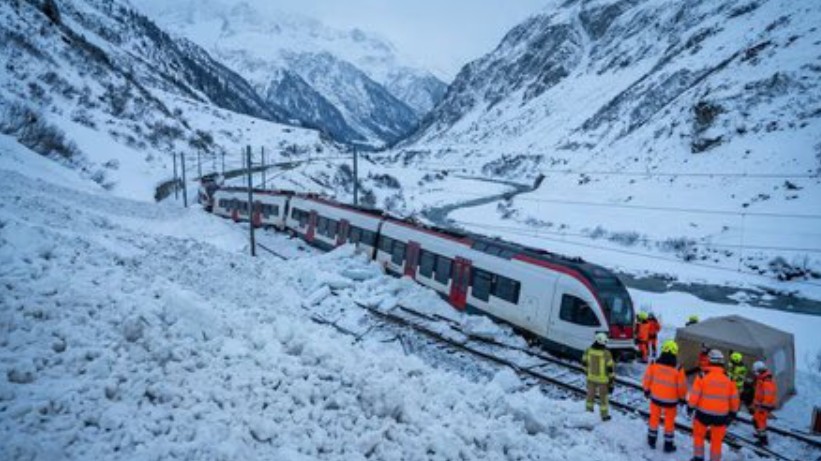
A Swiss train derailed in the Alps on Monday morning (16 February) after a large avalanche struck the railway line in the canton of Valais, leaving several passengers feared injured.
The incident happened near Goppenstein, shortly after the train departed from Brig at around 6am, with around 80 people believed to be on board.
Emergency services rushed to the scene and launched a major rescue operation, as authorities warned that injuries were “likely”.
The derailment has caused major disruption to regional rail services and raised renewed concerns about avalanche danger in one of Switzerland’s busiest winter travel areas.
What happened during the Swiss train derailment in Valais?
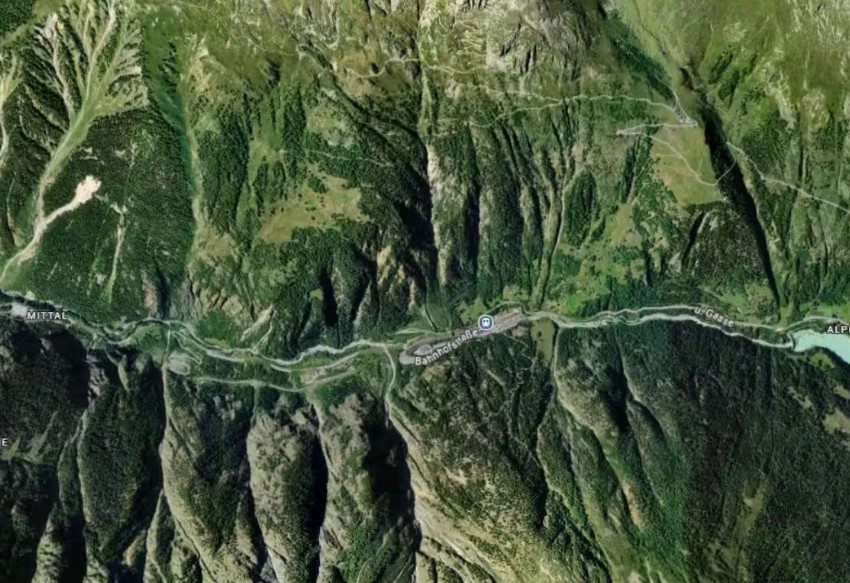
The passenger train was travelling through a remote stretch of the Swiss Alps when an avalanche swept across the tracks in the Stockgraben area, near Goppenstein.
The force of the snow reportedly pushed several carriages off the railway line, leaving the train partially derailed and blocking the route.
Rail officials confirmed the derailment happened due to a “large avalanche” and said evacuation efforts began shortly after the incident.
How many people were on board, and were passengers injured?
Authorities believe around 80 passengers were travelling on the train when it derailed.
Officials have not confirmed an exact number of injuries, but police stated that injuries were “likely” and rescue teams were treating passengers at the scene.
Reports from local sources suggest several people may have been hurt, though emergency teams are still assessing the situation and providing medical support.
Why did the avalanche happen now?
Heavy snowfall across the Swiss Alps in recent days is widely believed to have increased avalanche risk.
Avalanches typically occur when large amounts of fresh snow settle quickly on unstable ground layers, especially in steep mountain zones.
Weather experts often warn that sudden snowfall combined with wind can create dangerous “snow slabs” that break away without much warning.
This derailment comes at a time when parts of the Valais region have faced repeated winter weather disruption.
What rescue response is underway?
Emergency services, including police, paramedics, and specialist mountain rescue teams, responded rapidly.
Their main priorities include:
- Evacuating passengers safely from the train
- Providing emergency medical treatment
- Checking the stability of nearby snow slopes
- Clearing the tracks and debris to restore rail access
The location of the derailment has made rescue operations difficult, as the route runs through steep alpine terrain.
Which train services have been disrupted?
Several rail services in the region have been suspended due to the derailment and ongoing avalanche danger.
Rail operators warned that delays and cancellations could continue throughout the day, with some routes halted until at least 4pm local time.
Travellers in the region have been advised to check travel updates before heading to stations, as weather conditions may cause further closures.
How common are avalanches in Switzerland during winter?
Avalanches remain a known risk in the Swiss Alps, particularly in winter months when heavy snowfall and freezing conditions create unstable terrain.
The Valais region is especially vulnerable due to its mountainous geography and high-altitude valleys.
Switzerland operates one of the world’s most advanced avalanche monitoring systems, but sudden slides can still occur, particularly during severe snowstorms.
What does this mean for UK travellers heading to Switzerland?
This incident matters for UK tourists because Valais is a popular route for travellers heading to ski resorts and alpine holiday destinations.
UK travellers planning to visit Switzerland in the coming days should:
- Check rail and weather warnings before travelling
- Expect delays in mountain transport routes
- Follow local safety advice if staying in high-risk snow areas
- Avoid hiking or off-piste travel during avalanche alerts
The derailment highlights how quickly alpine weather can disrupt travel plans, even on well-used and modern rail lines.